
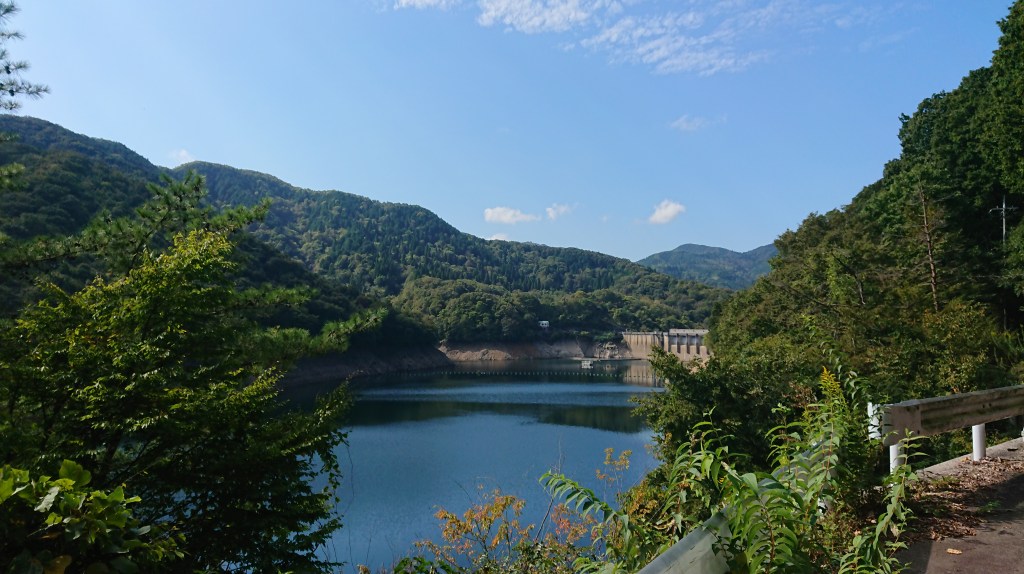
I first met Hiroo when I was asked to give a speech to the senior classes at his school during Human Rights week in December 1990. He insisted on treating me to lunch afterwards and during lunch he told me about a group that was forming to look into the history of forced labor at Kobo Dam in Hiroshima.
We ended up attending the first meeting and he gave me a ride home! After that we started seeing each other and eventually married. Although I didn’t attend any more meetings, I read the booklet published by the Citizen’s Group to Investigate Korean Labor at Kobo Dam.
Construction began on the dam in 1940 and it was completed in 1949 but not without a great cost in human life. During the war, most able-bodied men were conscripted to fight in Asia, causing a labor shortage in Japan. The solution was to recruit or in many cases forcibly sweep up Koreans and bring them to Japan to do the most difficult and dangerous jobs, particularly in coal mines or construction.
The story that stayed in my mind was how that tons of cement were dropped from a height in building the dam. Before dropping it, a warning siren went off so those below could get out of the way. The construction site was very noisy however and some workers didn’t hear it. They were buried alive under all that cement. As we step out on the dam, we can’t but think of those buried beneath our feet.
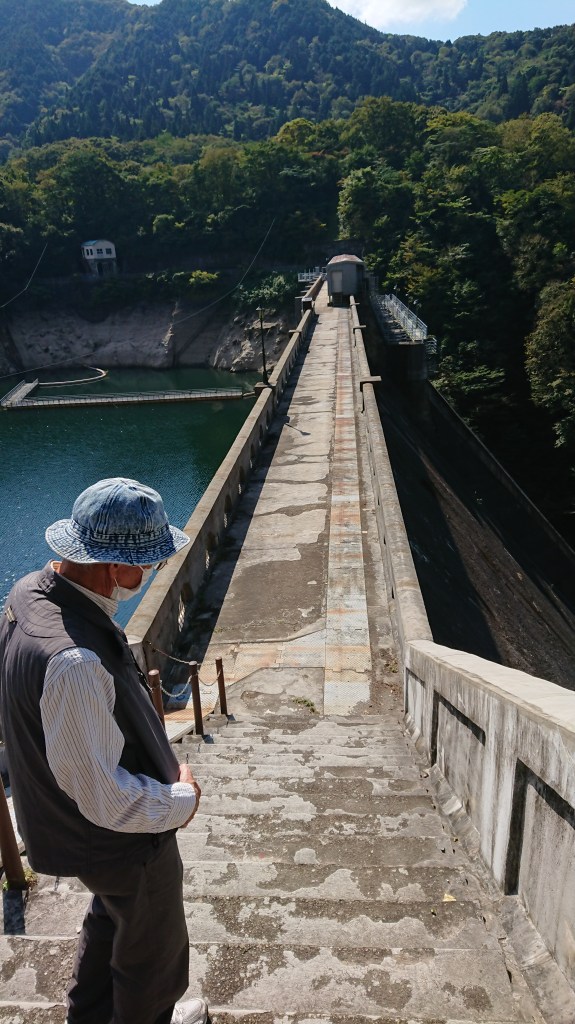
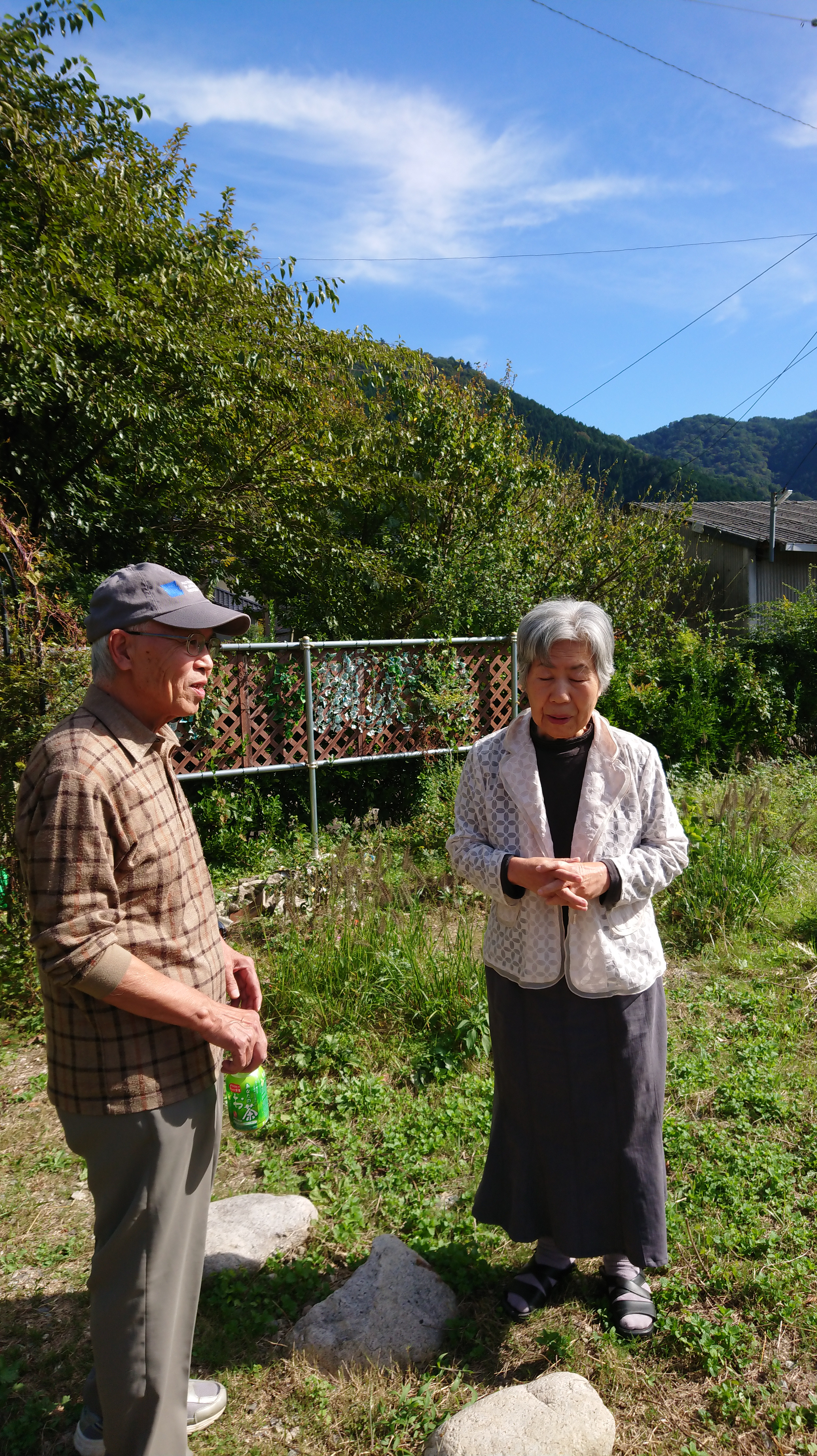
Before leaving to see the mine, I was able to contact a representative of the Investigate Korean Labor group, Jitsukuni Yoshinori, who offered to guide us to the dam. This was most fortunate as we could never have made it to the dam on our own. The usual route was blocked so Jitsukuni-san drove us a long distance up a very narrow mountain road. It was scary and we encountered a mother and child wild boar in the middle of the road, then minutes later a stag ran across in front of the car and climbed up the steep slope.
Many workers brought from Korea were ill-treated and couldn’t bear the harsh working conditions. Those who tried to escape in the mountains had no place to go and were usually recaptured. Then they were made an example of by hanging them upside down, beating them so severely that some died.

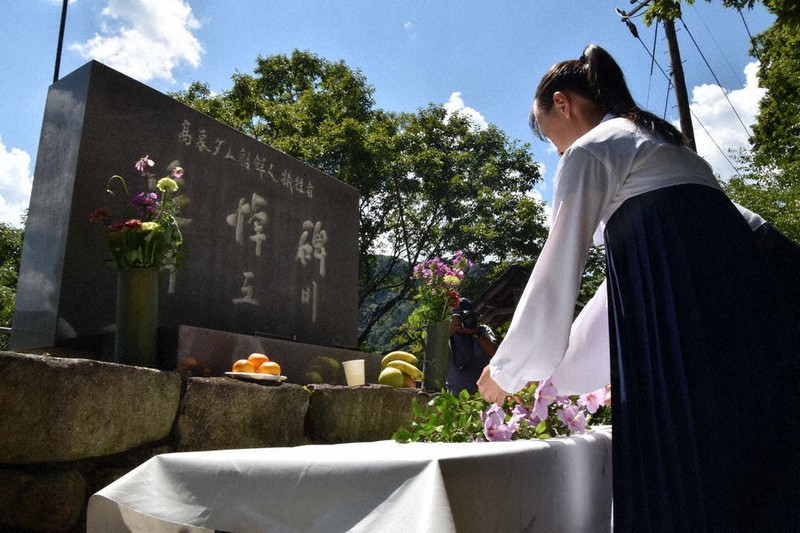
Around 1994 a unmarked burial site was discovered with the bones of many Koreans who died in accidents or from illness during the construction. These were returned to Korea for reburial in 2003, when a monument was erected for them there. Even now the Japanese government refuses to admit that these workers were forced labor or to compensate families.
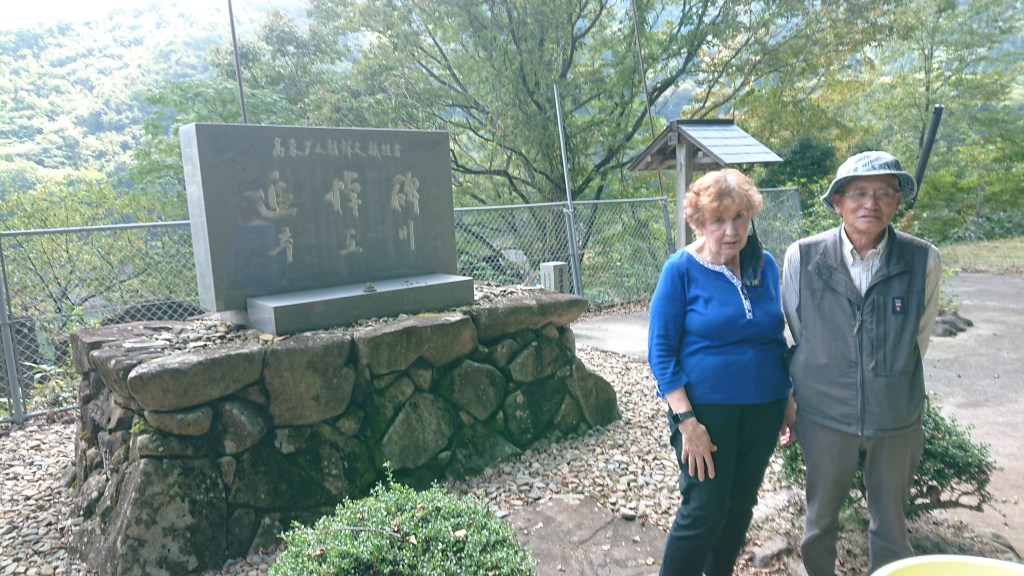
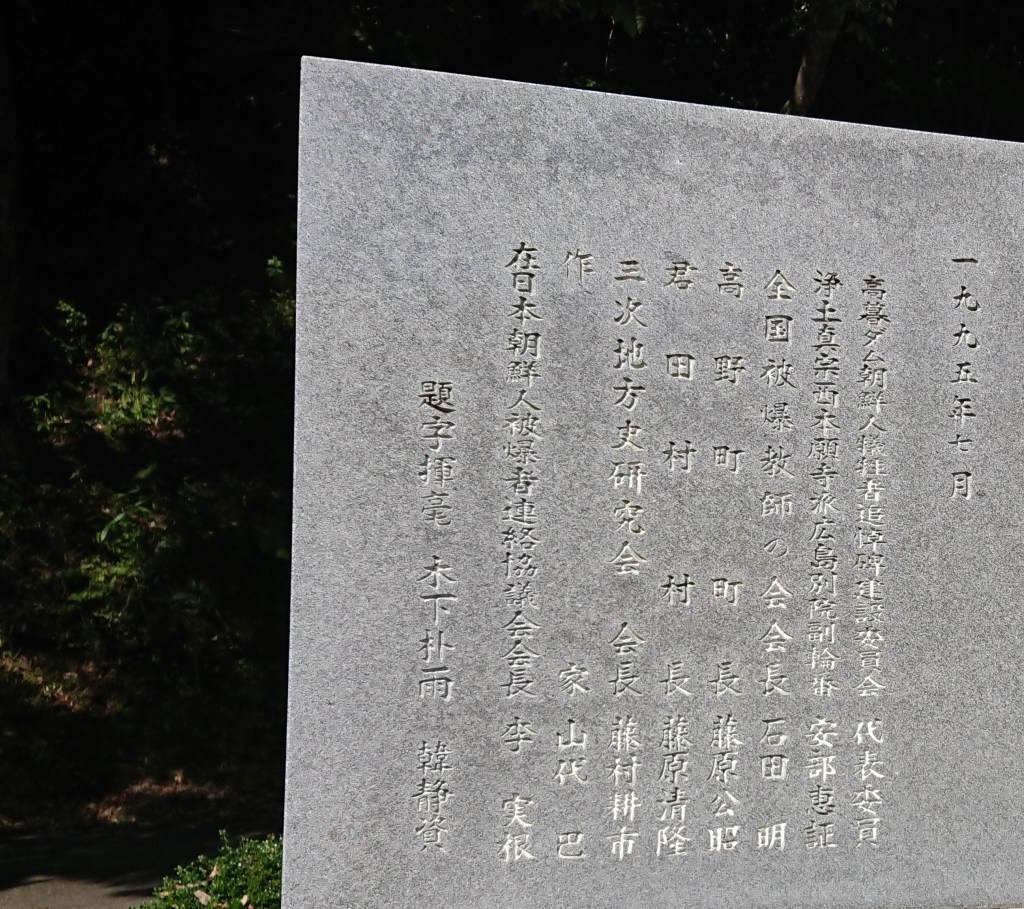
Finally we were shown the monument to Koreans who died in the dam construction. I had read an essay by Yamashiro Tomoe about Kobo Dam. (高暮ダムを思う)I was surprised to see her name carved on the back of the monument as one of the contributors. She must have stood where I was standing when it was dedicated in 1995.
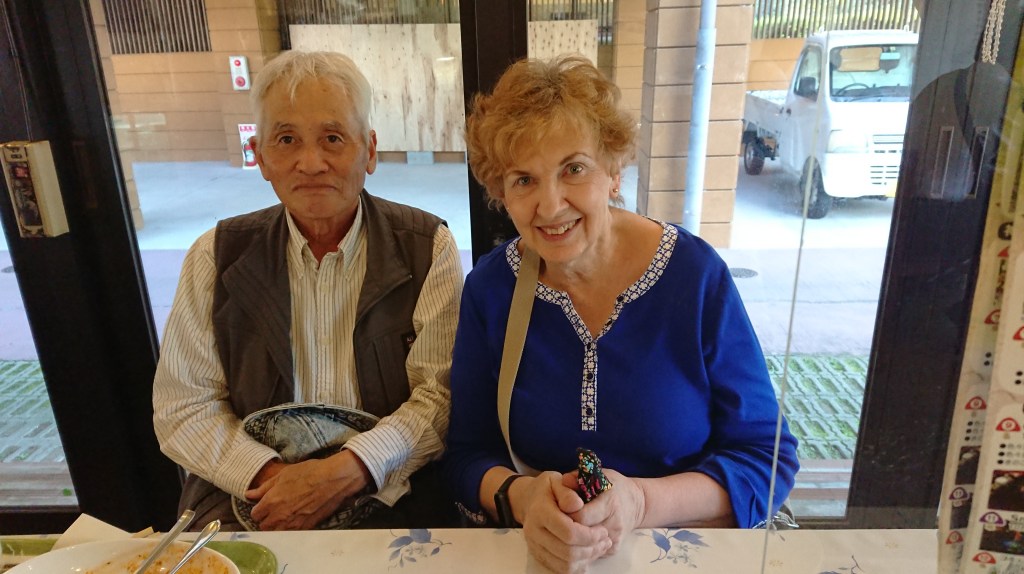
強制連行を調査する会の実国義範さん)
We really appreciate the help of Mr. Jitsukuni for teaching us so much about the Dam and the forced labor of Koreans there. I am still reading through all the pages of information he sent me! Unfortunately I was unable to attend the Memorial Service for Victims of the Dam Construction which was held on November 7th this year. I hope I can go next year. But only if Jitsukuni san is kind enough to drive us again! No way I can make it up there myself.
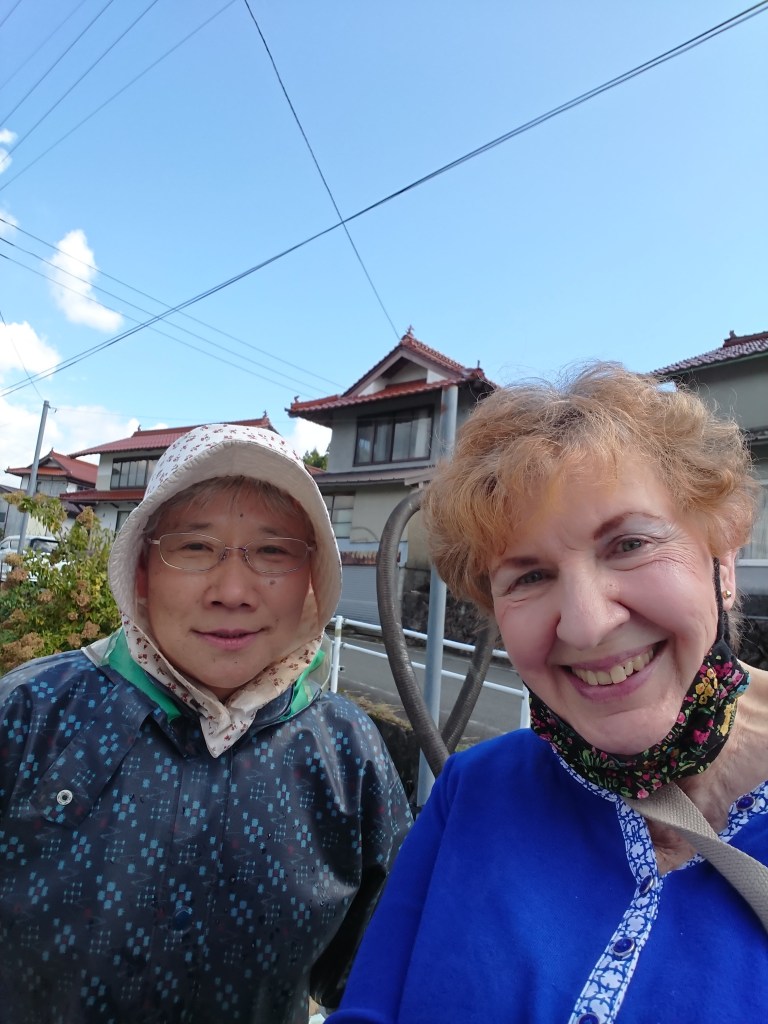
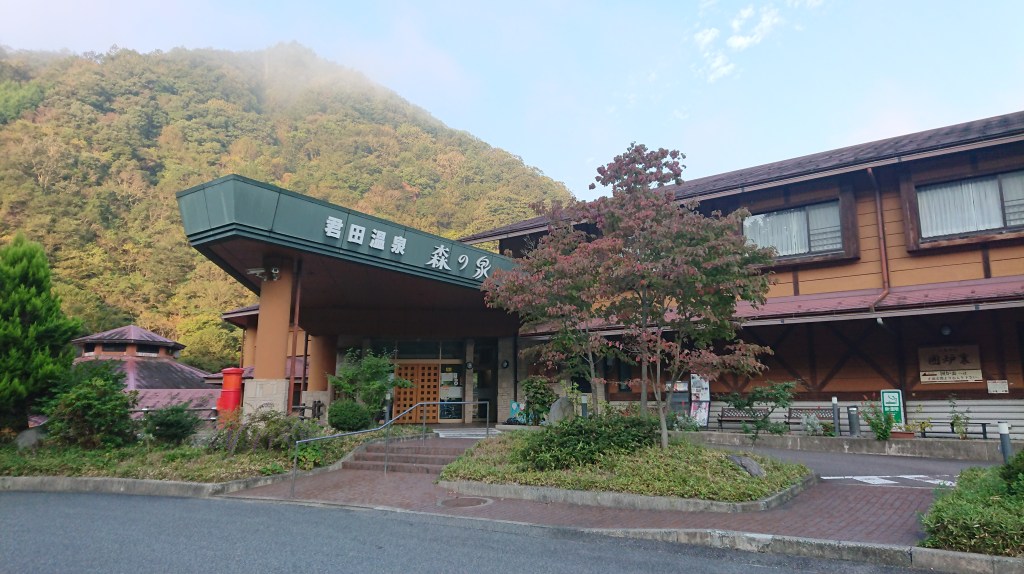
Hiroo and I are very grateful to Jitsukuni-san. We learned a lot about the Dam and on the way home we traveled through Apple Road and bought delicious apples from a farmer there! And we stayed at Kimita Hot Springs.
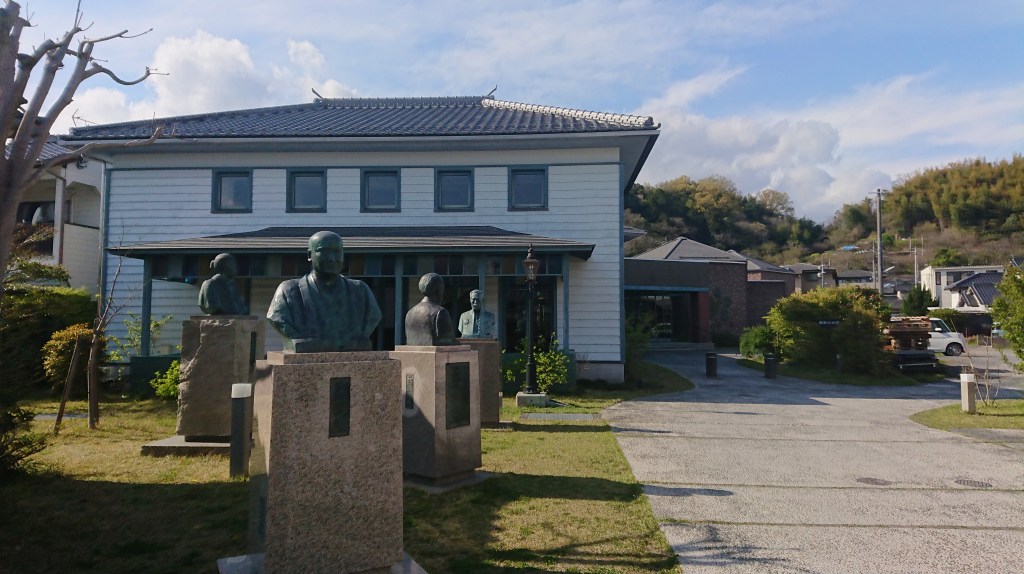
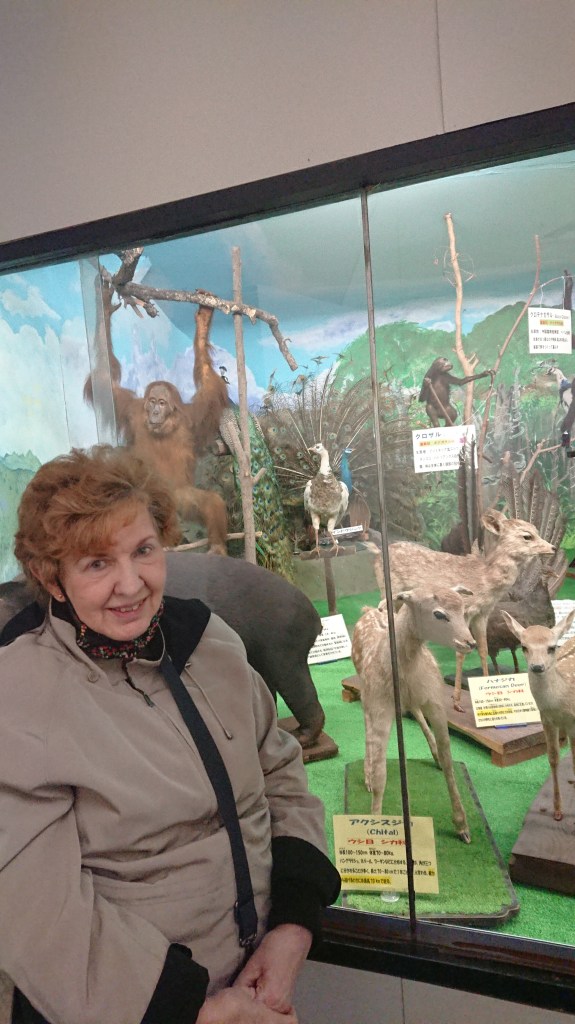
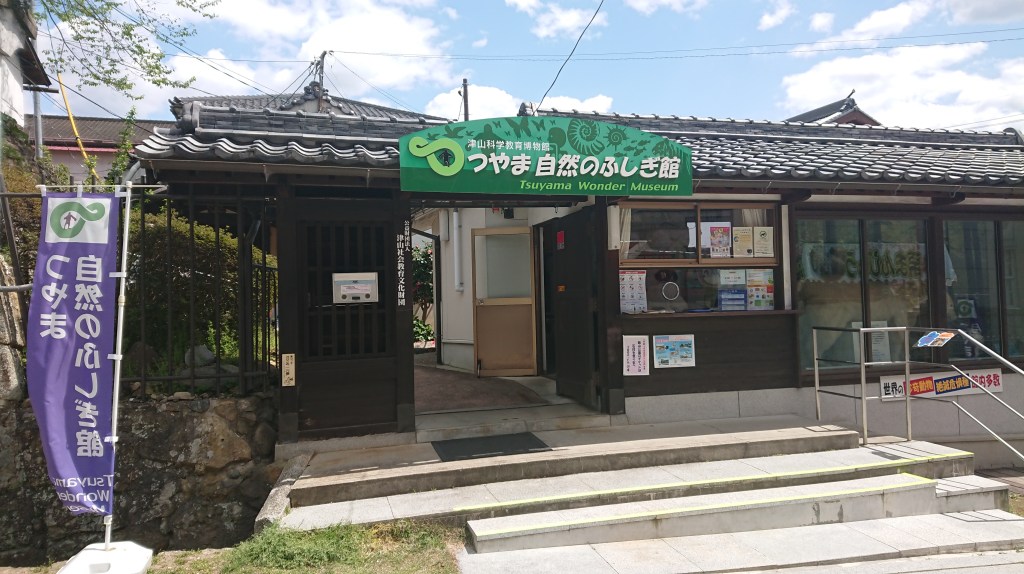
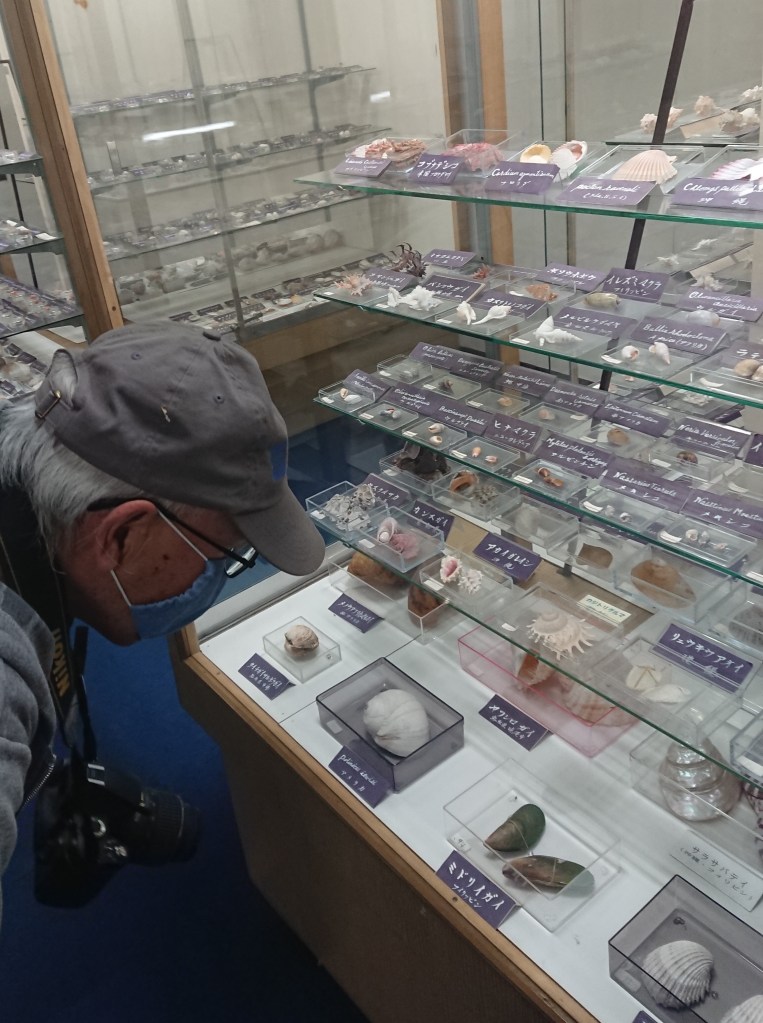












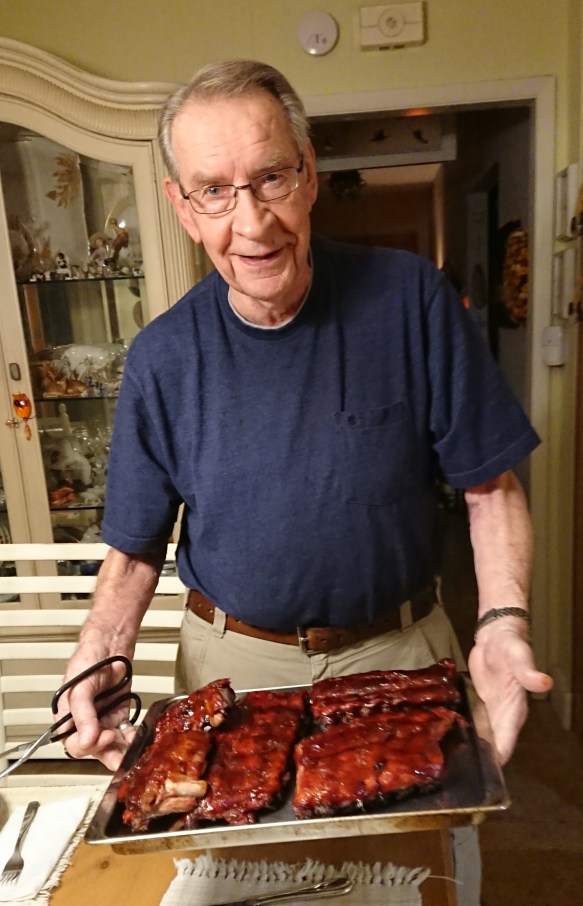





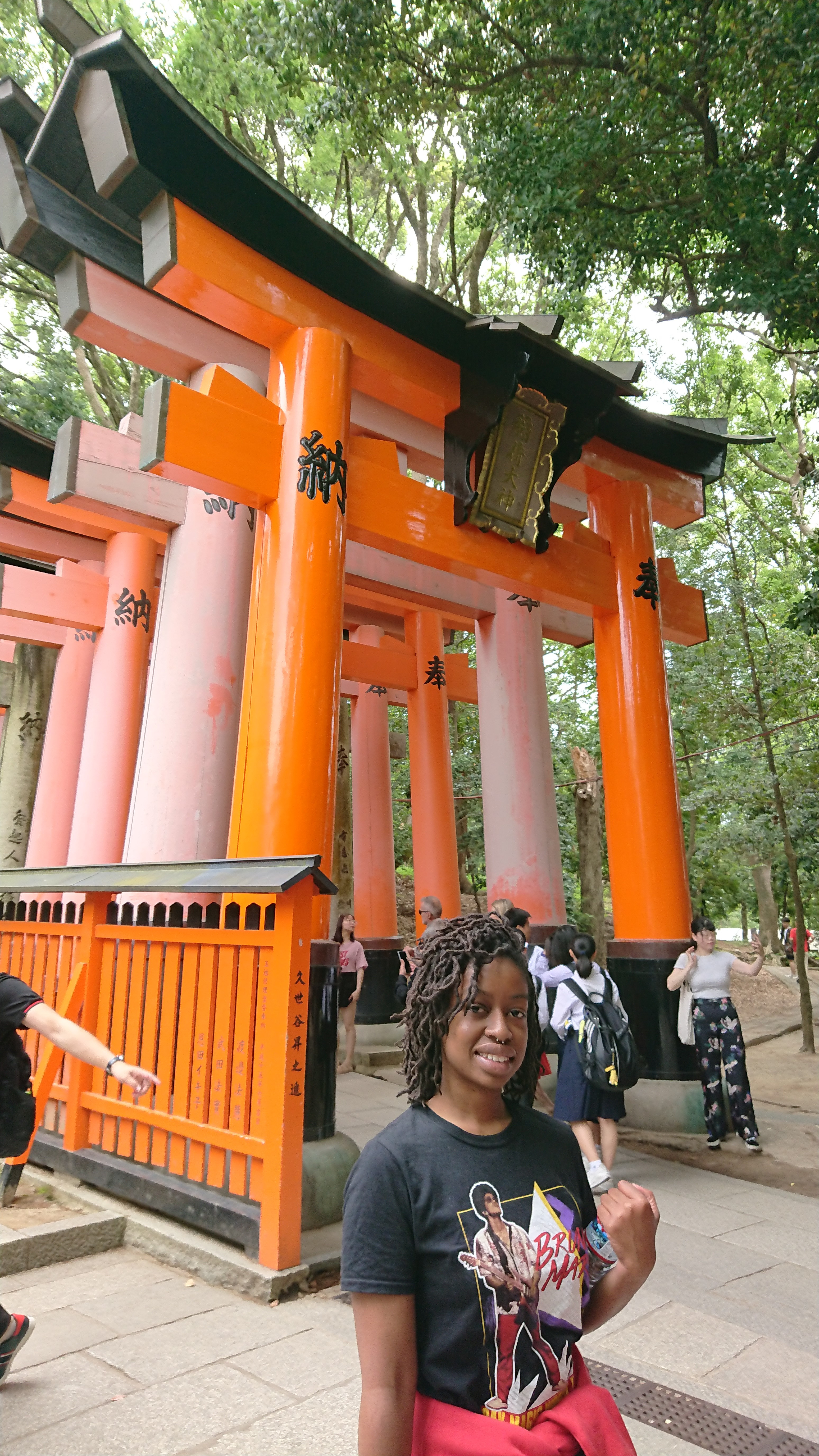
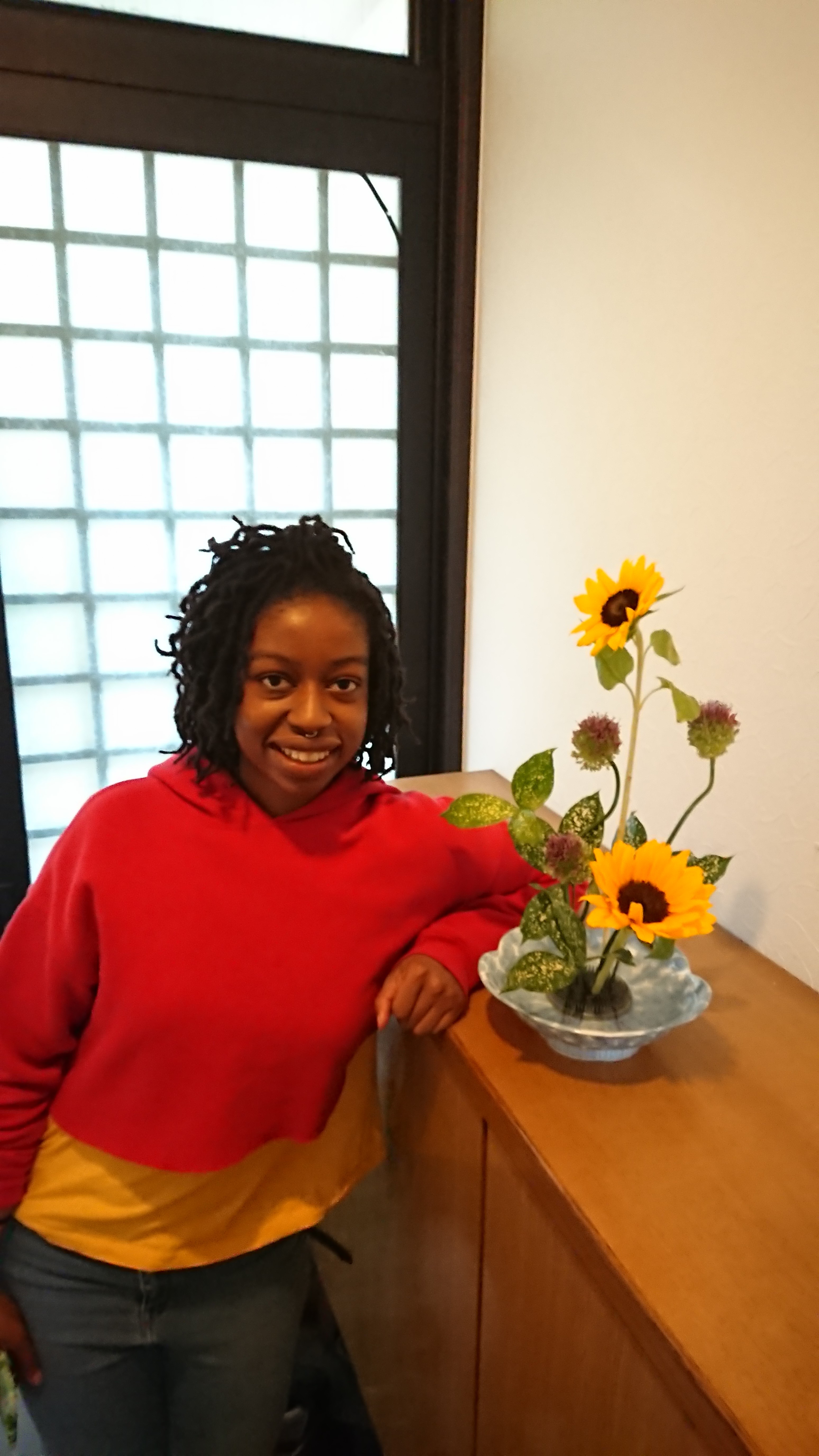
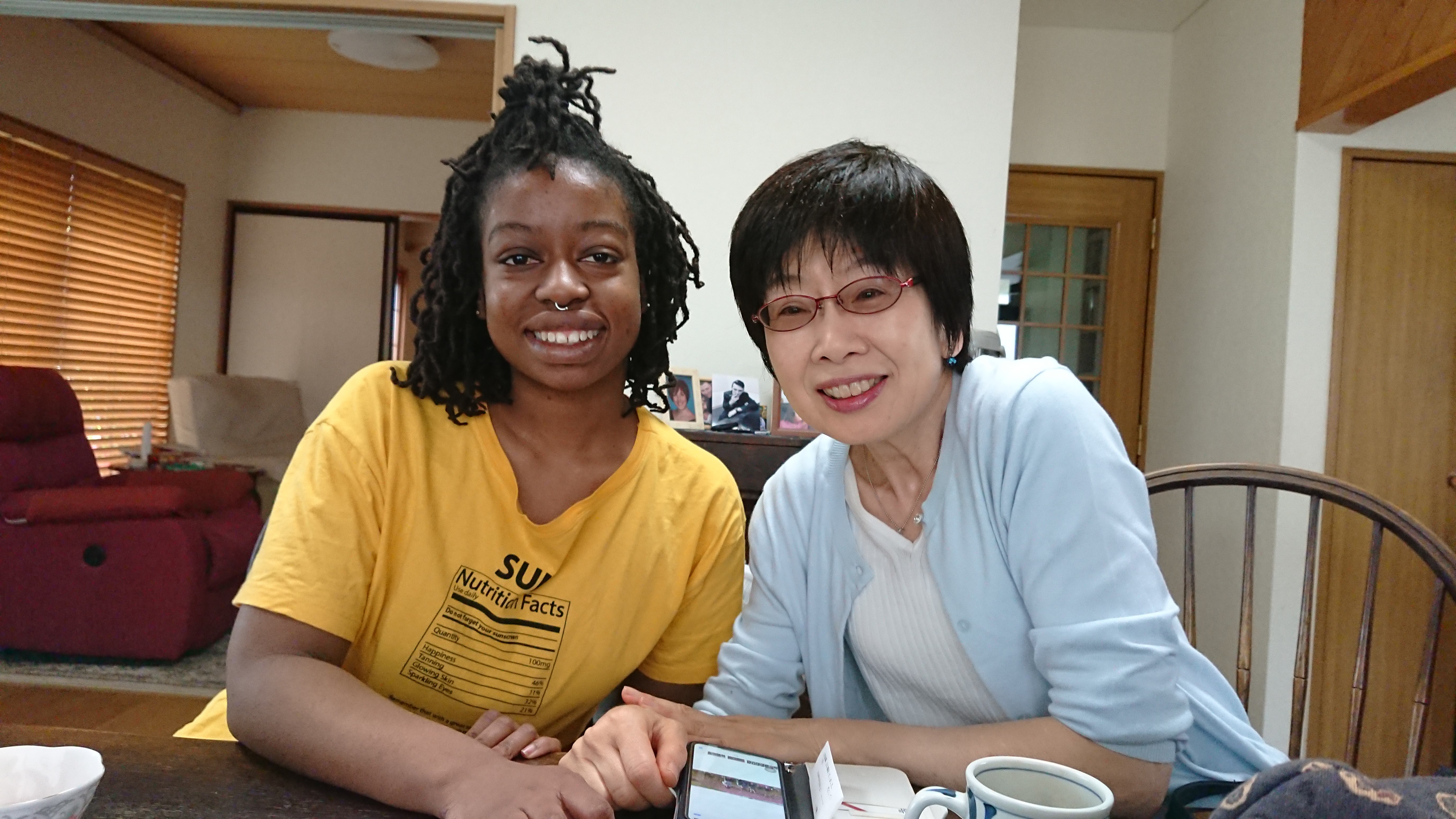


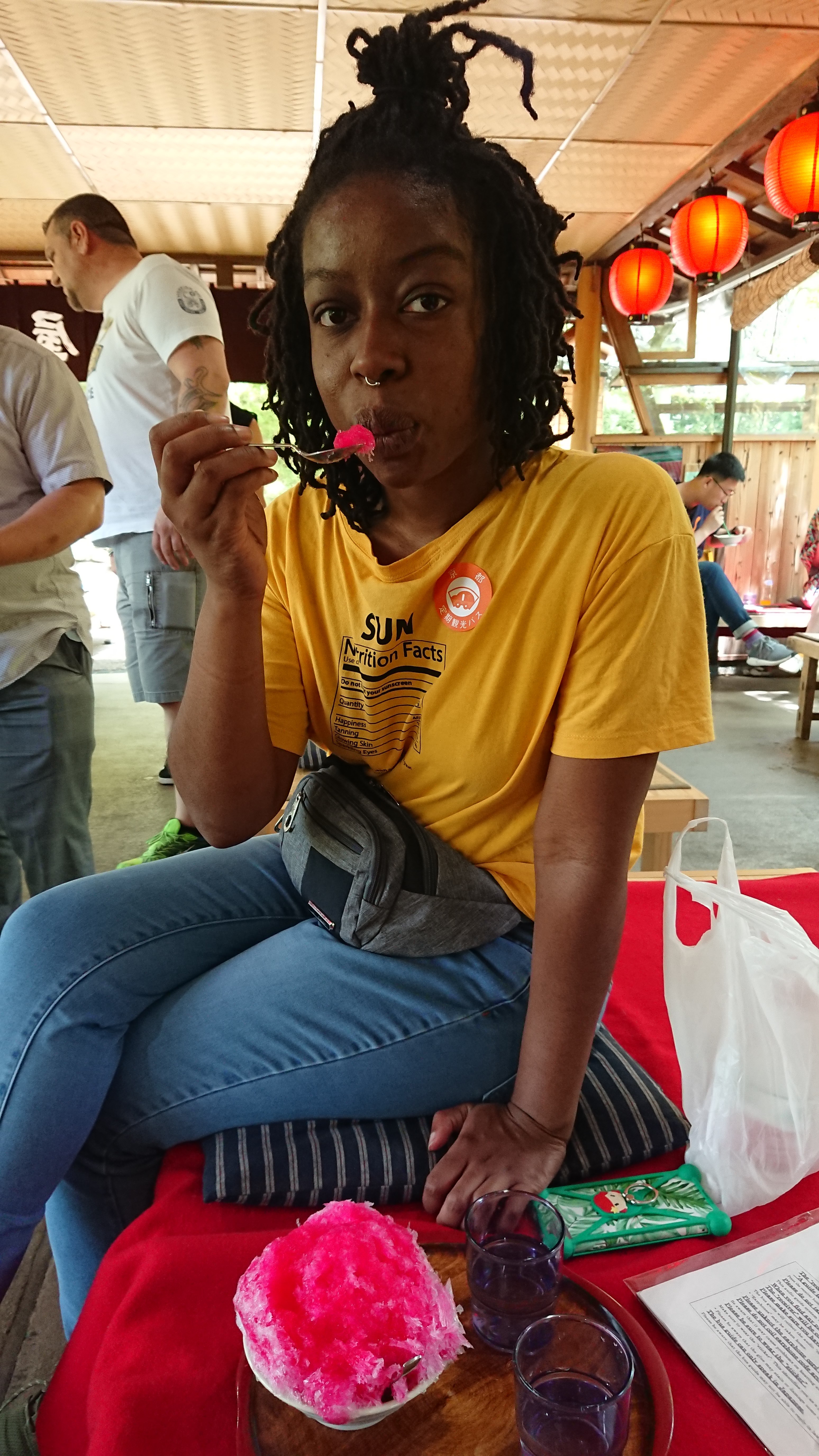
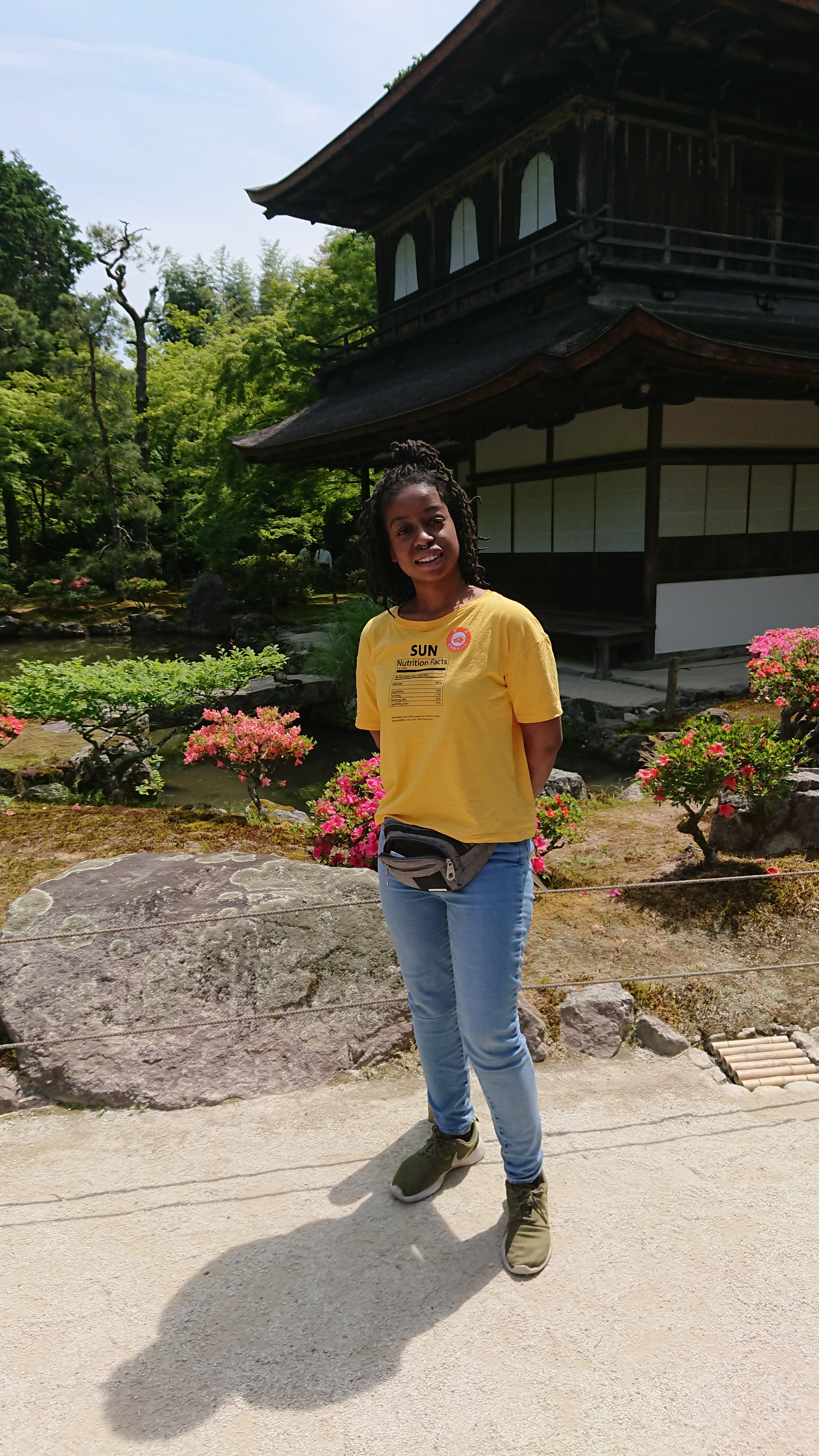
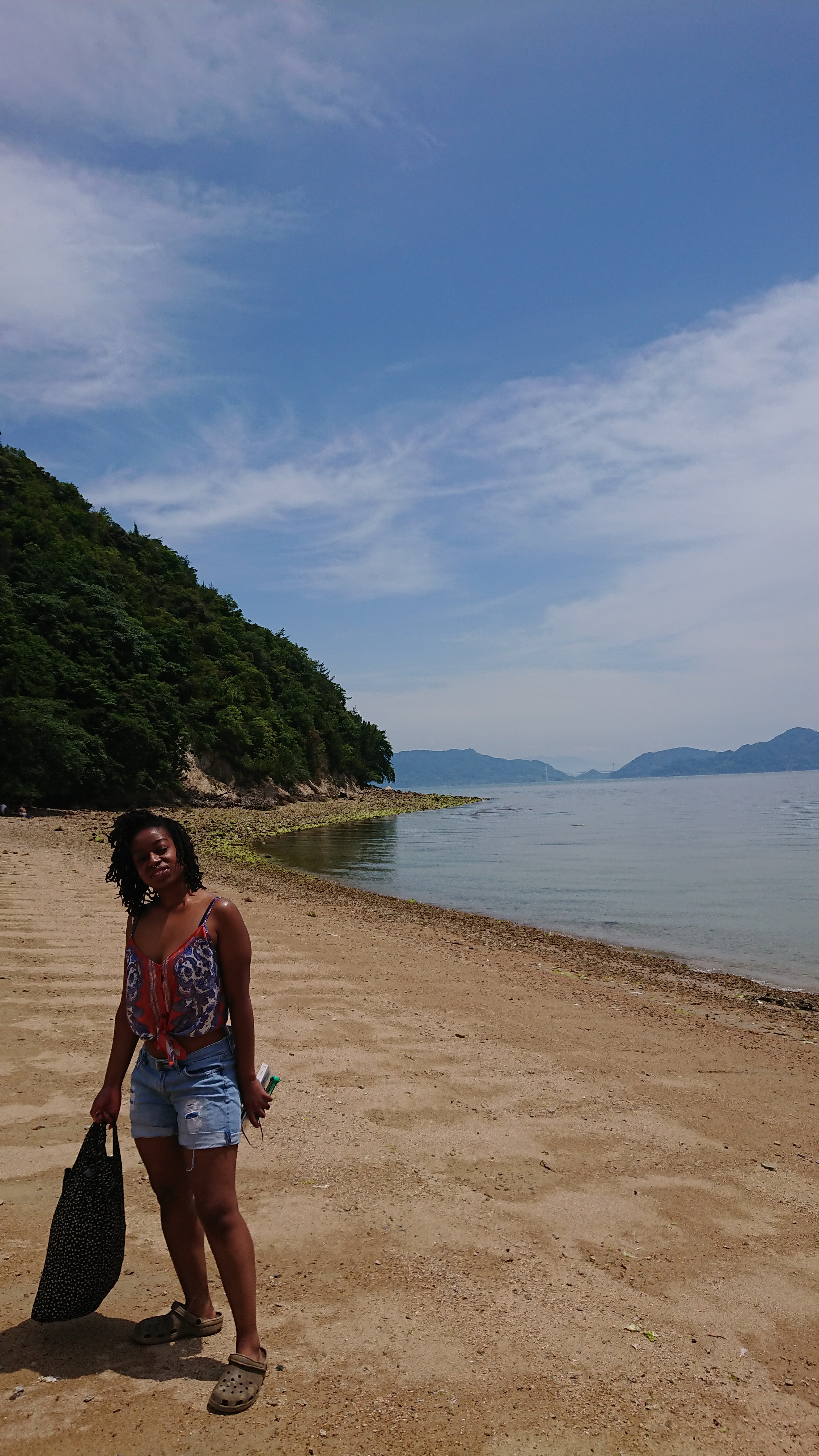
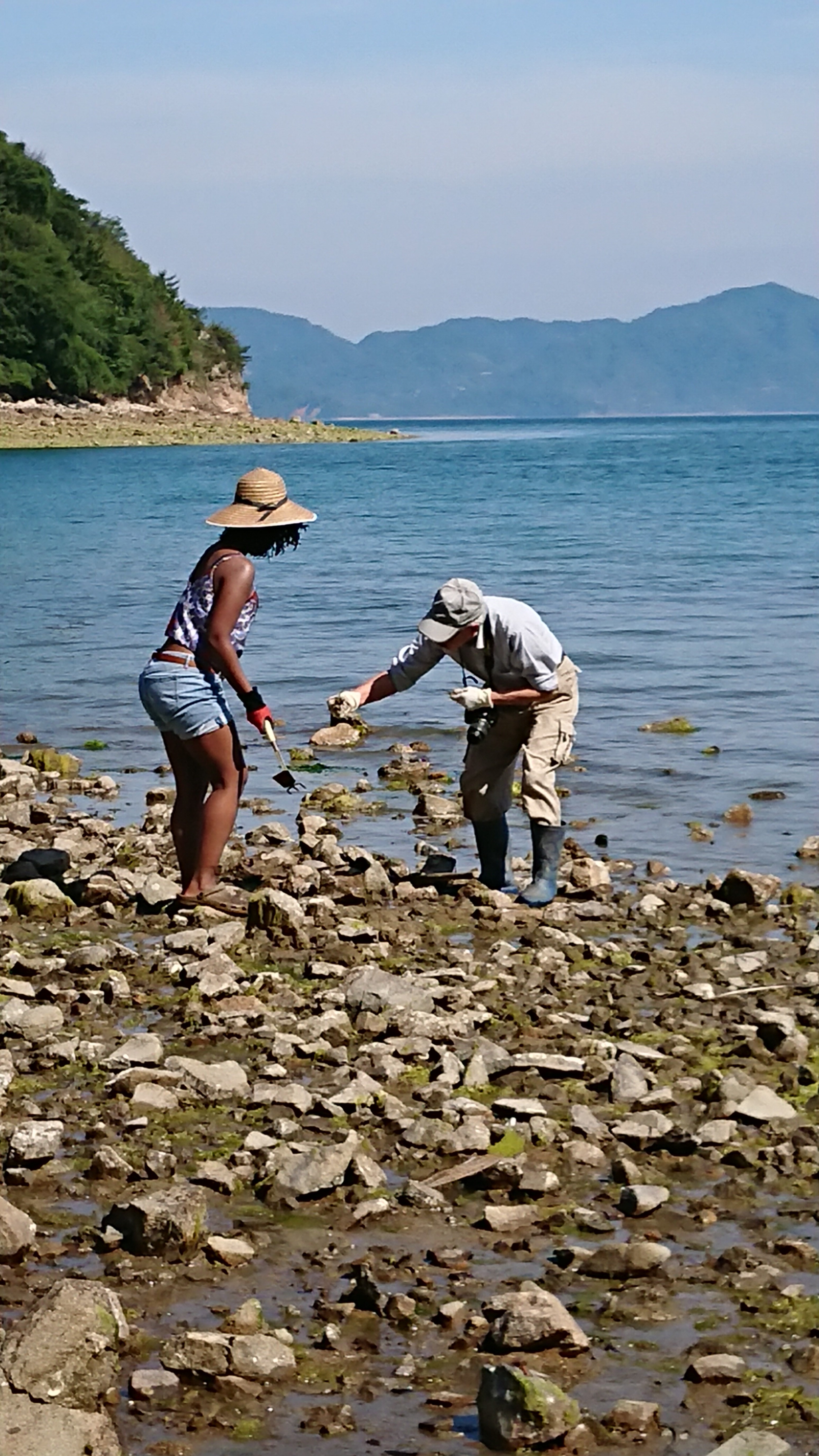 When Hiroo started out to search for marine life specimens, Alex volunteered to go along and lift the heavy stones. They managed to communicate without my help at all. Seems they really enjoyed it. At night , we had a Japanese yakiniku BBQ, and Alex built her first fire!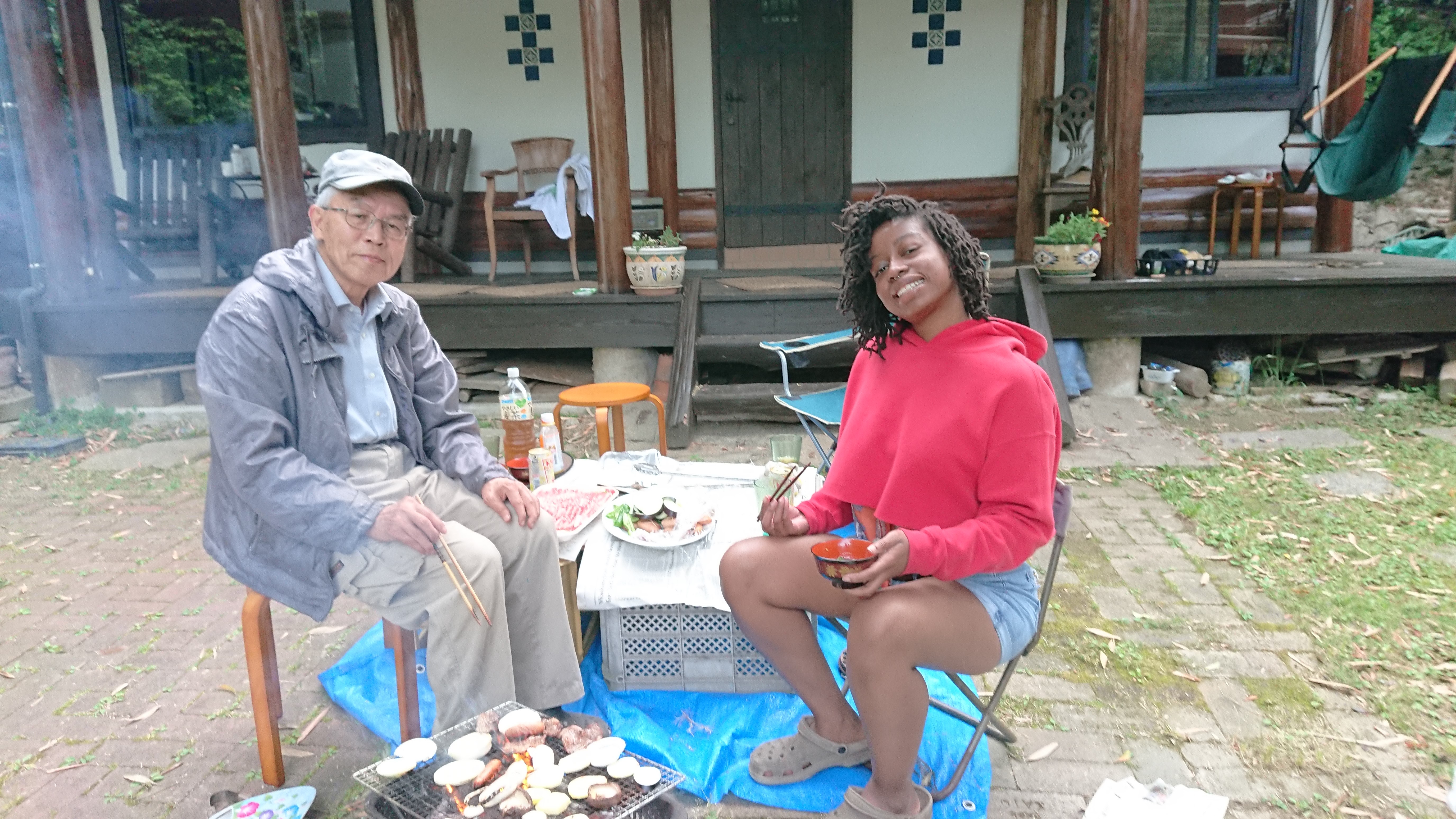
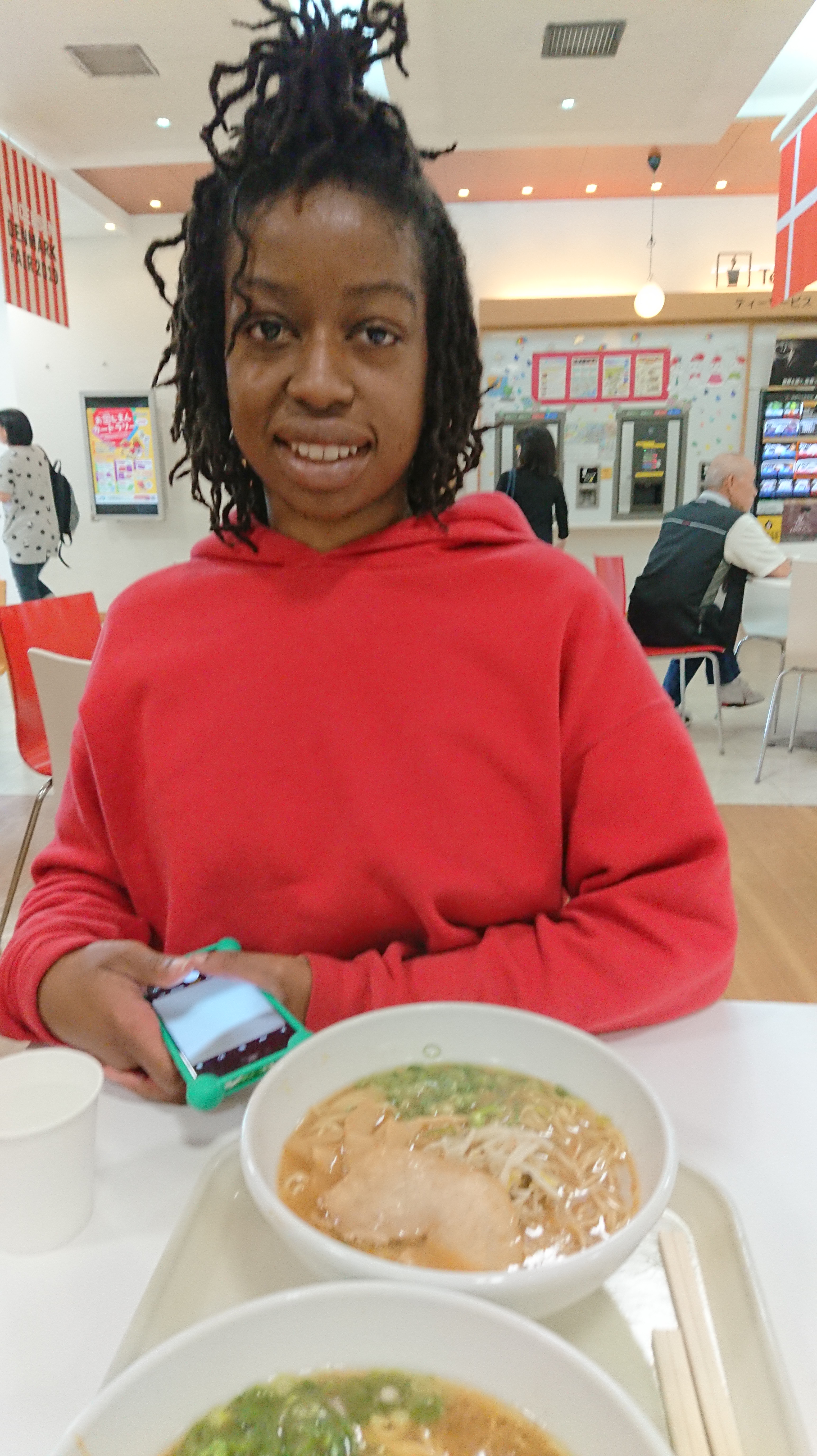


 Baba's Kitchen