Visit to Kobo Dam (高暮ダム)

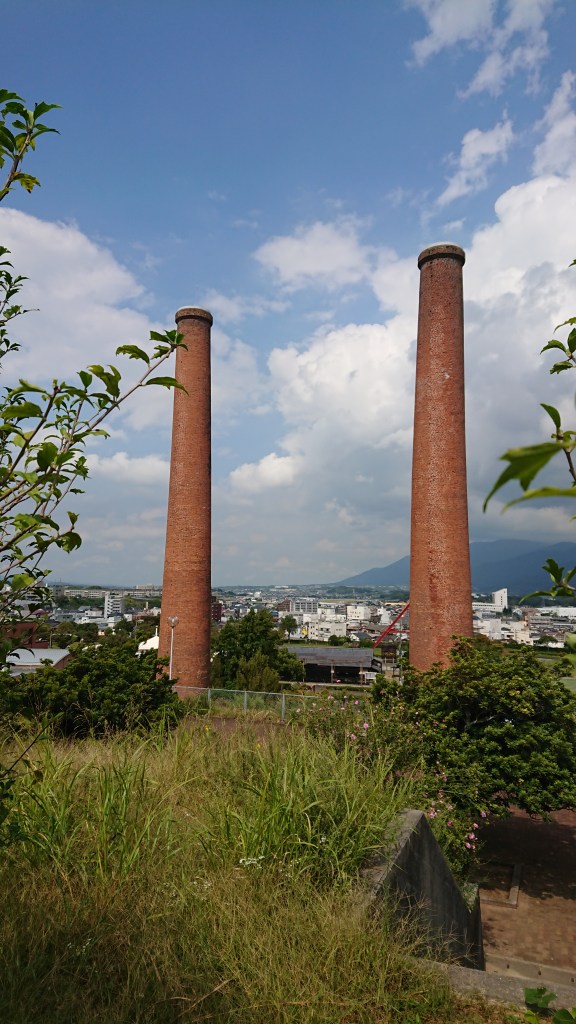
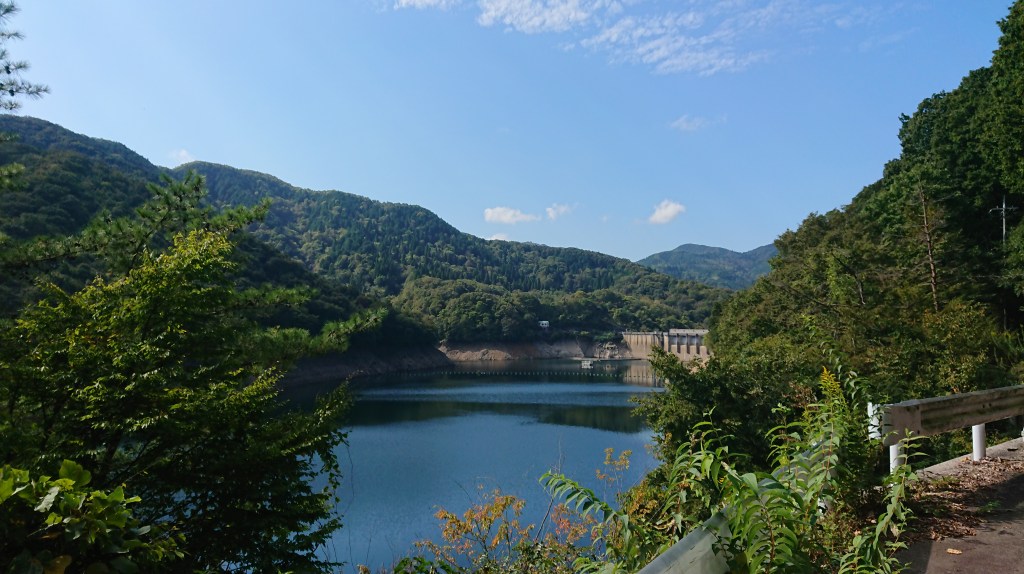
Kobo Dam, Shobara, Hiroshima

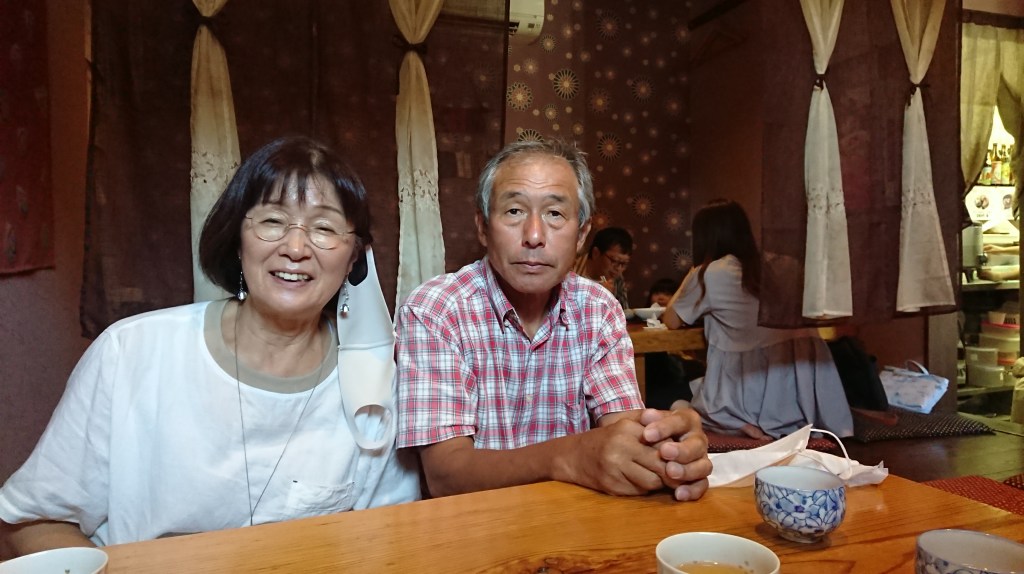
I first met Hiroo when I was asked to give a speech to the senior classes at his school during Human Rights week in December 1990. He insisted on treating me to lunch afterwards and during lunch he told me about a group that was forming to look into the history of forced labor at Kobo Dam in Hiroshima.

We ended up attending the first meeting and he gave me a ride home! After that we started seeing each other and eventually married. Although I didn’t attend any more meetings, I read the booklet published by the Citizen’s Group to Investigate Korean Labor at Kobo Dam.

Construction began on the dam in 1940 and it was completed in 1949 but not without a great cost in human life. During the war, most able-bodied men were conscripted to fight in Asia, causing a labor shortage in Japan. The solution was to recruit or in many cases forcibly sweep up Koreans and bring them to Japan to do the most difficult and dangerous jobs, particularly in coal mines or construction.

The story that stayed in my mind was how that tons of cement were dropped from a height in building the dam. Before dropping it, a warning siren went off so those below could get out of the way. The construction site was very noisy however and some workers didn’t hear it. They were buried alive under all that cement. As we step out on the dam, we can’t but think of those buried beneath our feet.
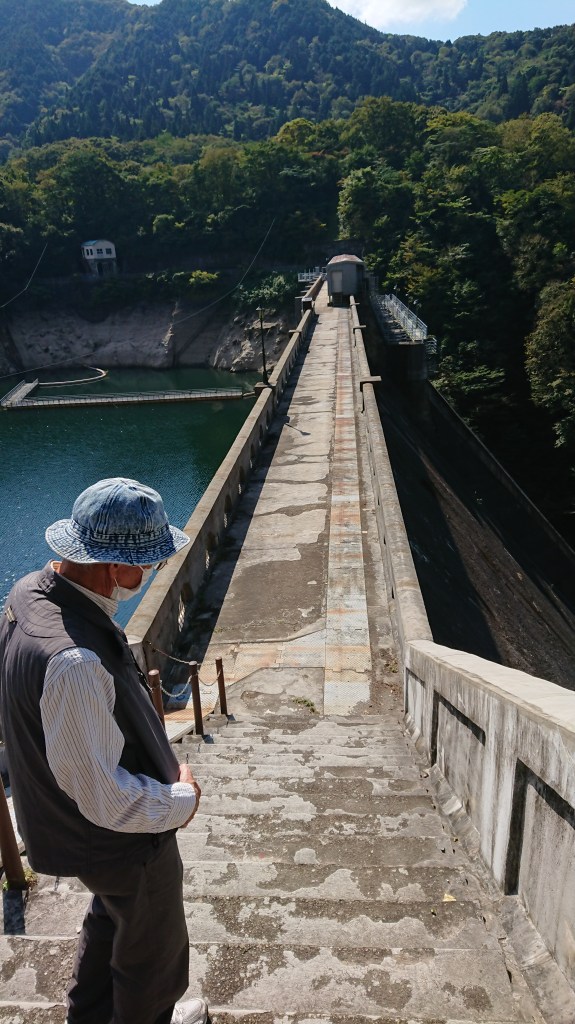
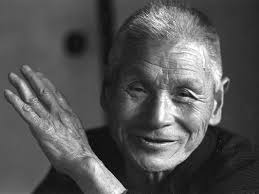
Investigate Committee’s Jitsukuni san shows us Kobo Dam

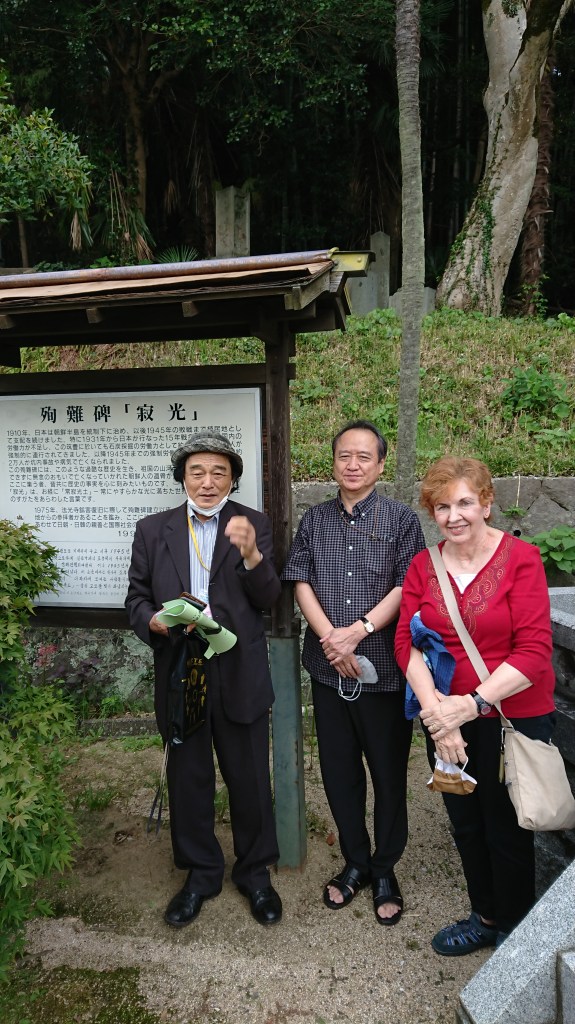
Before leaving to see the mine, I was able to contact a representative of the Investigate Korean Labor group, Jitsukuni Yoshinori, who offered to guide us to the dam. This was most fortunate as we could never have made it to the dam on our own. The usual route was blocked so Jitsukuni-san drove us a long distance up a very narrow mountain road. It was scary and we encountered a mother and child wild boar in the middle of the road, then minutes later a stag ran across in front of the car and climbed up the steep slope.

Many workers brought from Korea were ill-treated and couldn’t bear the harsh working conditions. Those who tried to escape in the mountains had no place to go and were usually recaptured. Then they were made an example of by hanging them upside down, beating them so severely that some died.

Remains of Korean laborers recovered near Kobo Dam

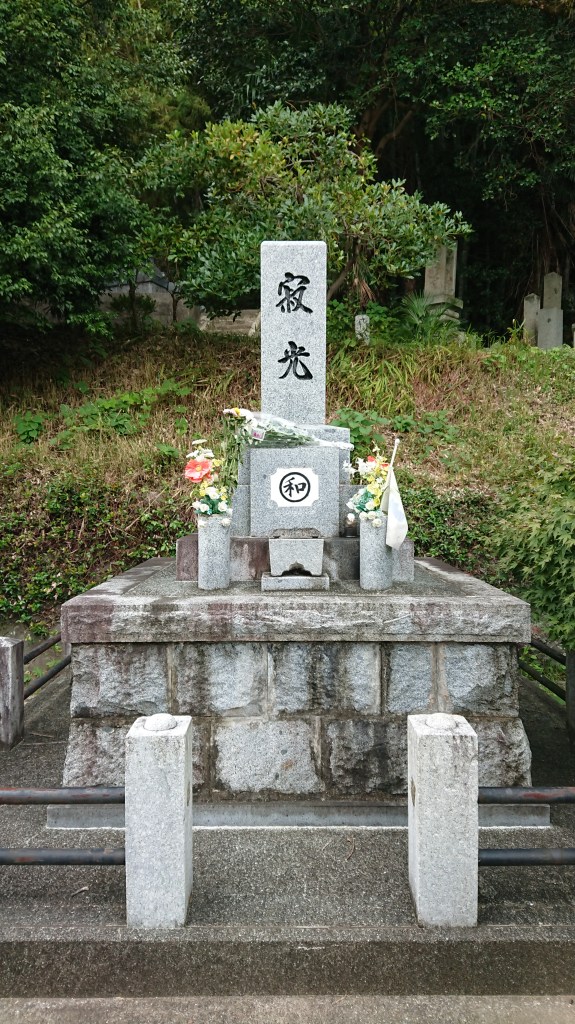
Around 1994 a unmarked burial site was discovered with the bones of many Koreans who died in accidents or from illness during the construction. These were returned to Korea for reburial in 2003, when a monument was erected for them there. Even now the Japanese government refuses to admit that these workers were forced labor or to compensate families.
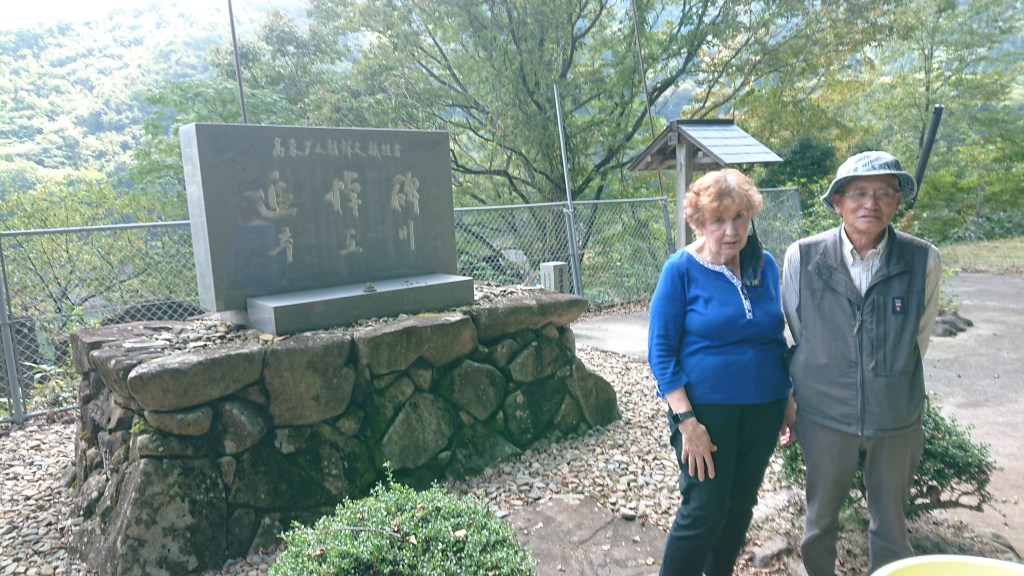
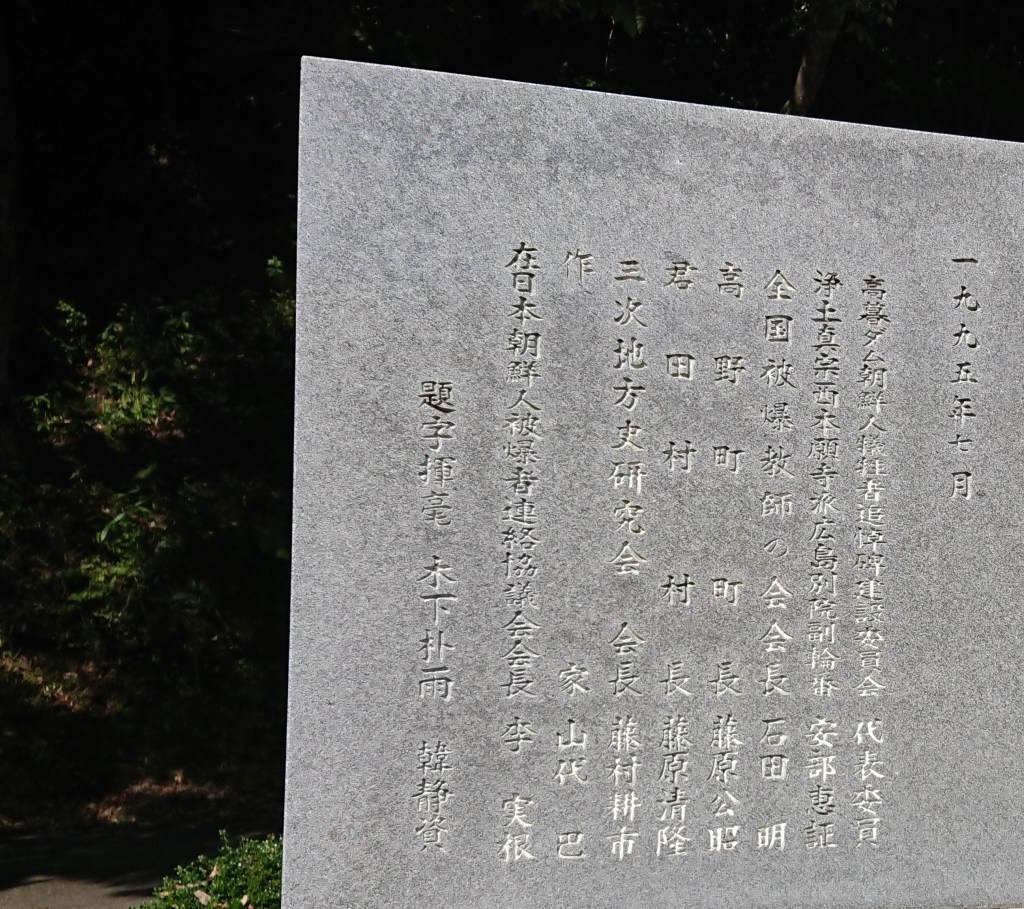
Monument to Korean Lives Lost in Construction, Kobo Dam (with Yoshinori Jitsukuni)
” Yamashiro Tomoe, writer ” Inscription on reverse side of Monument 1995

Finally we were shown the monument to Koreans who died in the dam construction. I had read an essay by Yamashiro Tomoe about Kobo Dam. (高暮ダムを思う)I was surprised to see her name carved on the back of the monument as one of the contributors. She must have stood where I was standing when it was dedicated in 1995.
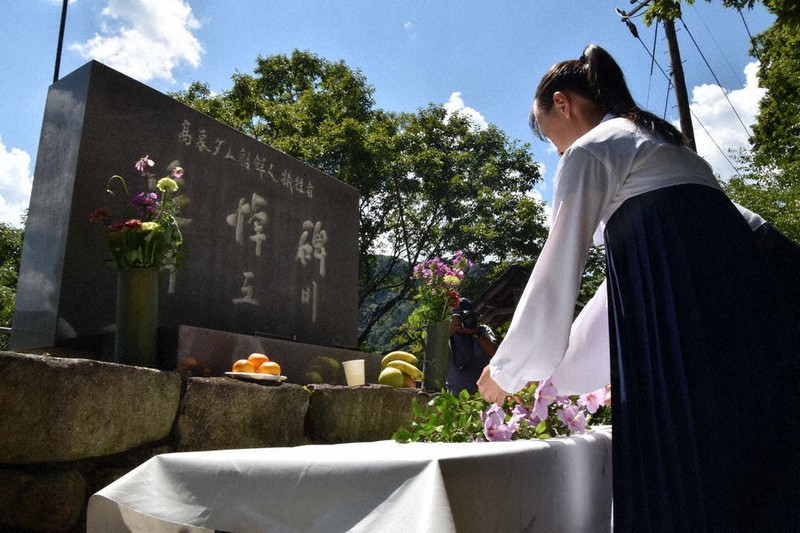
Student of Minzoku Gakko Makes Offering at he Memorial Service
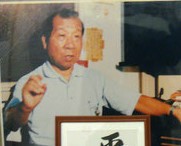
Investigate Committee Leader, Yoshinori Jitsukuni (高暮ダム
強制連行を調査する会の実国義範さん)

We really appreciate the help of Mr. Jitsukuni for teaching us so much about the Dam and the forced labor of Koreans there. I am still reading through all the pages of information he sent me! Unfortunately I was unable to attend the Memorial Service for Victims of the Dam Construction which was held on November 7th this year. I hope I can go next year. But only if Jitsukuni san is kind enough to drive us again! No way I can make it up there myself.
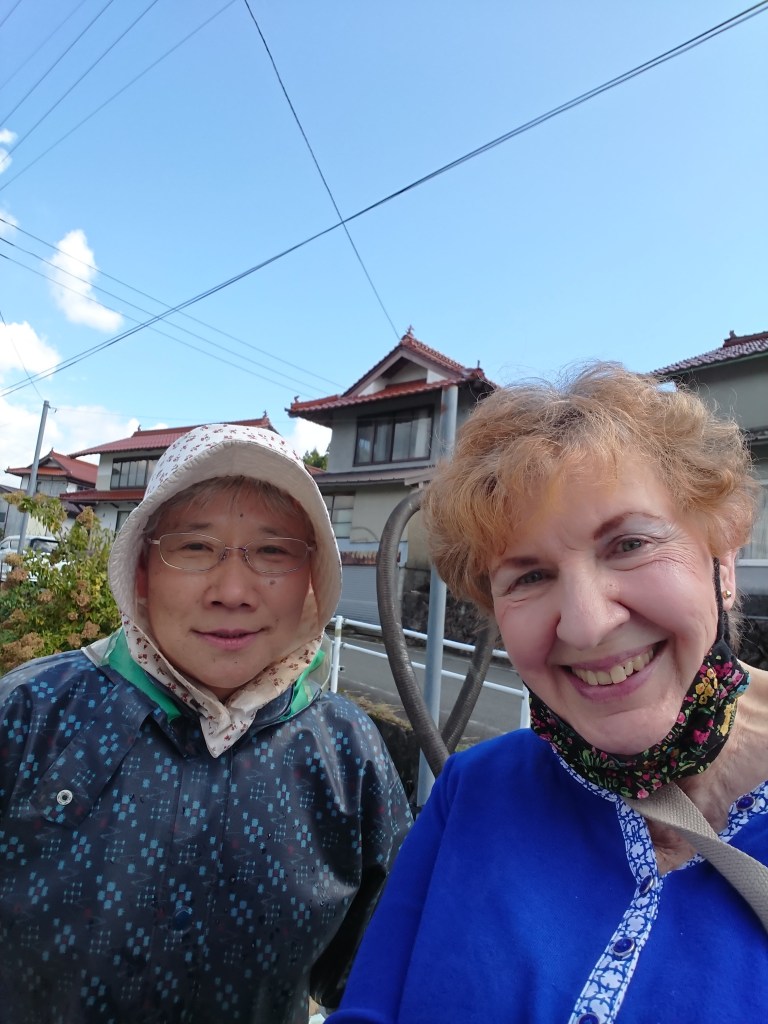
Apple grower on “Ringo Road” ( she gave me a daikon radish!)
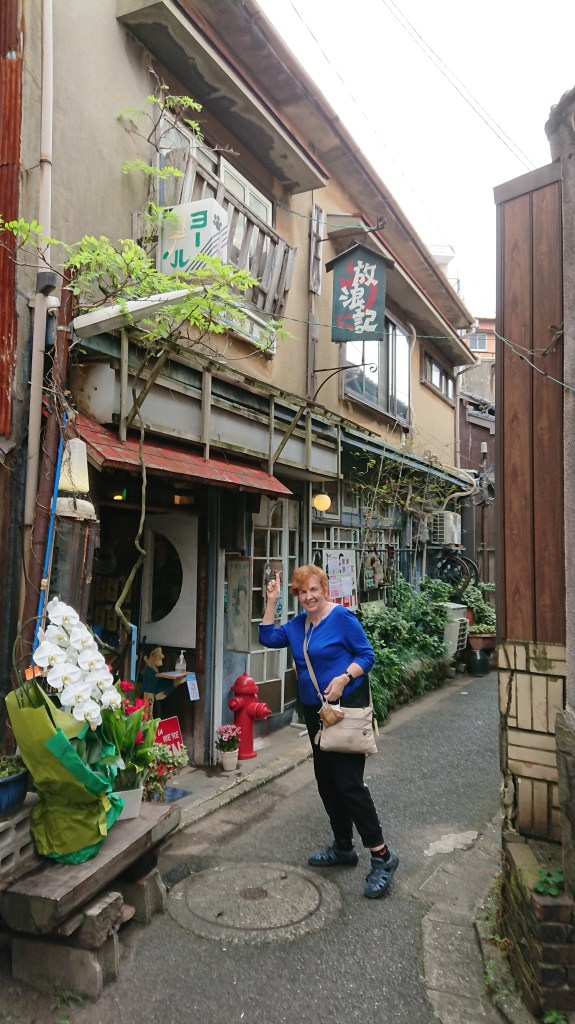
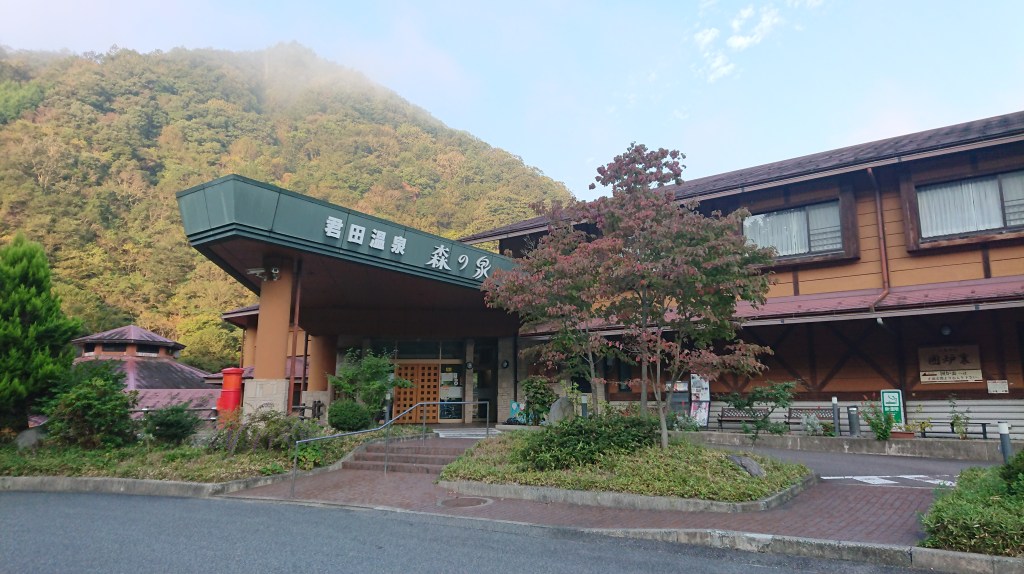
Hiroo and I enjoyed a one night stay at Kimita Hot Springs near the Dam

Hiroo and I are very grateful to Jitsukuni-san. We learned a lot about the Dam and on the way home we traveled through Apple Road and bought delicious apples from a farmer there! And we stayed at Kimita Hot Springs.
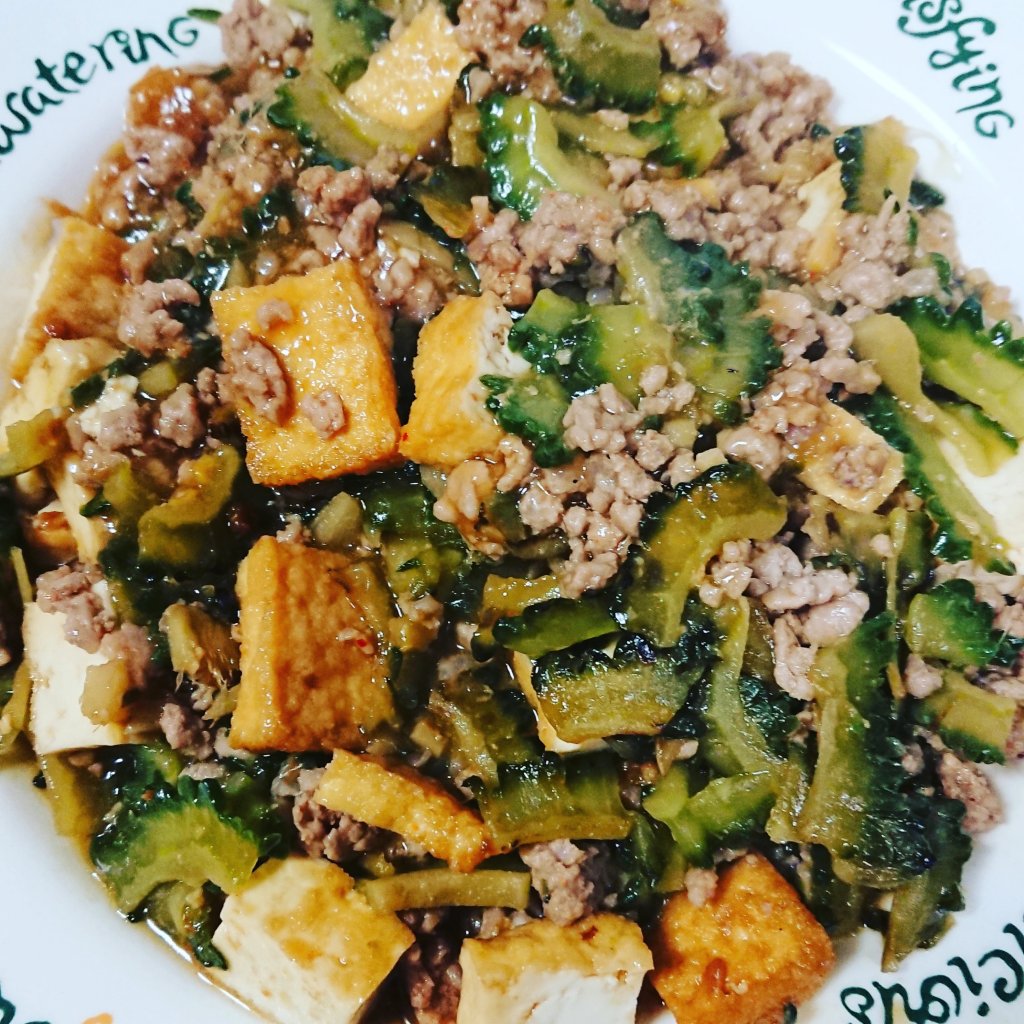
Spicy Goya Pork Saute

Spicy Goya Pork

This is the time of year when people give me a lot of niga-uri or goya.

I often make goya chanpuru, but this dish is a nice change! Cut a goya

in half lengthwise and remove seeds. Cut in half again and slice thinly, sprinkle on a teaspoonful of salt, toss, let set 20 minutes, then squeeze out liquid.

Saute in 2 Tbsp oil. Add a Tbsp chopped ginger, 150g minced pork, stir and cook till meat is done. Add 1 pieced of agedofu cut in bite-size squares.

Stir in 2 Tbsp miso, 1 tsp tobanjan. Mix 1/2 cup chicken stock, 1Tbsp each oyster sauce, sugar, and sake

Cook 1 minute ane thicken with 1-2 tsp katakuriko mixed with 1 Tbsp water. Serve immediately.

Coal Mine Accident in Ube

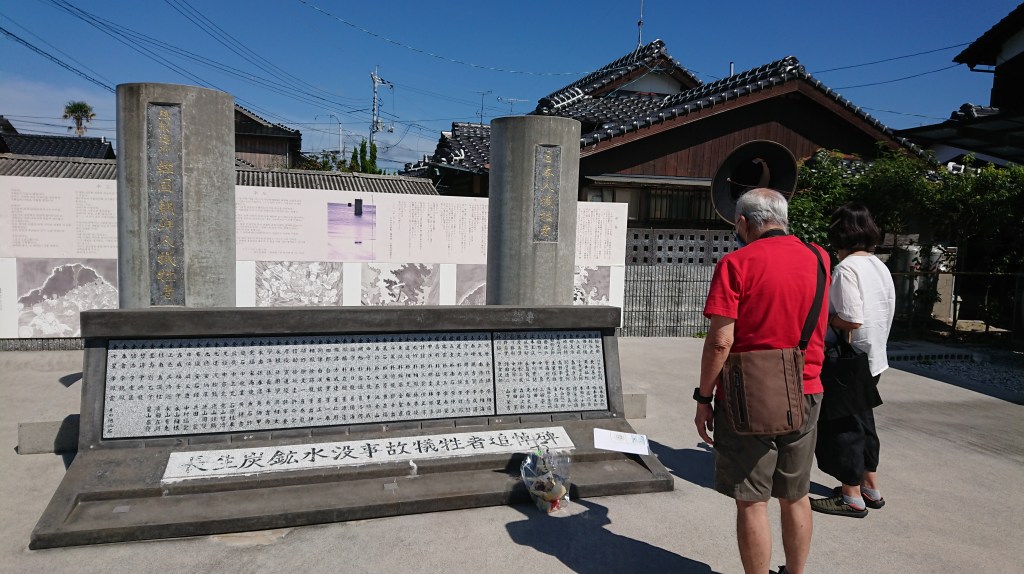
Memorial to VIctims of Chousei Coal Mine Accident (長生炭坑水没慰霊碑) Ube, Yamaguchi-ken

138 Korean Miners Among the Dead (February 3, 1942)

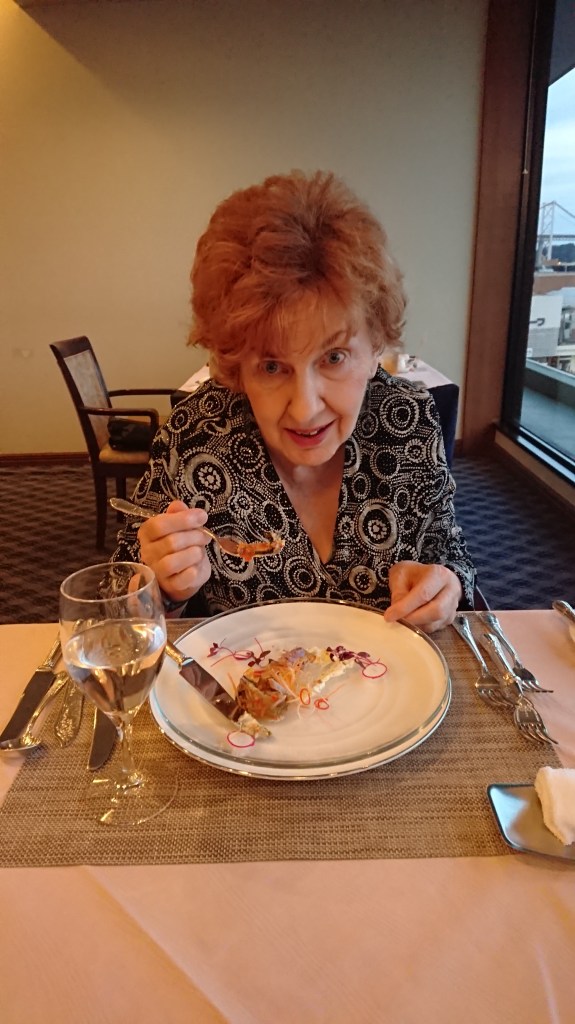
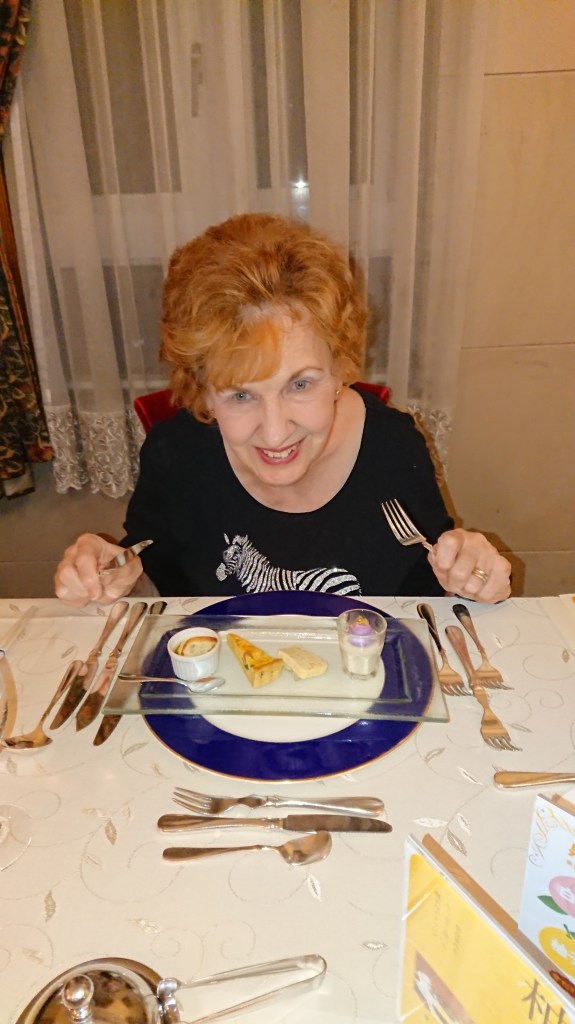
Finally we are fully-vaccinated and wanted to have an overnight trip to the next prefecture. It happened to be our 29th wedding anniversary on July 31st so we made reservations to stay at the Shimonoseki Grand Hotel and have a full course French dinner. It was lucky as the hotel is right next to the Karato Fish Market. (唐戸市場)which Hiroo was eager to visit.

Hiroo told me there was a coal mine in Ube (Yamaguchi-ken) and I found there is a Coal Mining Museum by Tokiwa Park. Luckily , I kept searching online and found a homepage about Chousei Coal Mine and the collapse of the underwater mine that occurred in 1942,

The mine had had previous incidents of flooding or collapsing supports so many Japanese miners were afraid to work there. Of course, during wartime many men were drafted to fight and so the mine needed more workers. Koreans were either recruited or , in many cases, forcibly brought to Japan to work in mines or in the construction of dams. This was very dangerous work and many lost heir lives.

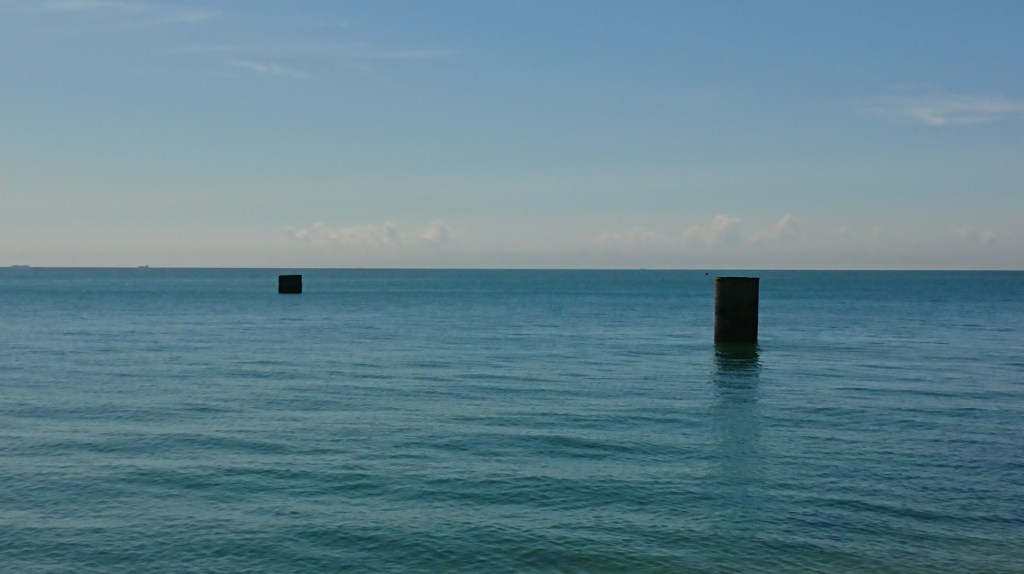
Two Piers are all that remains at Chousei MIne, Ube

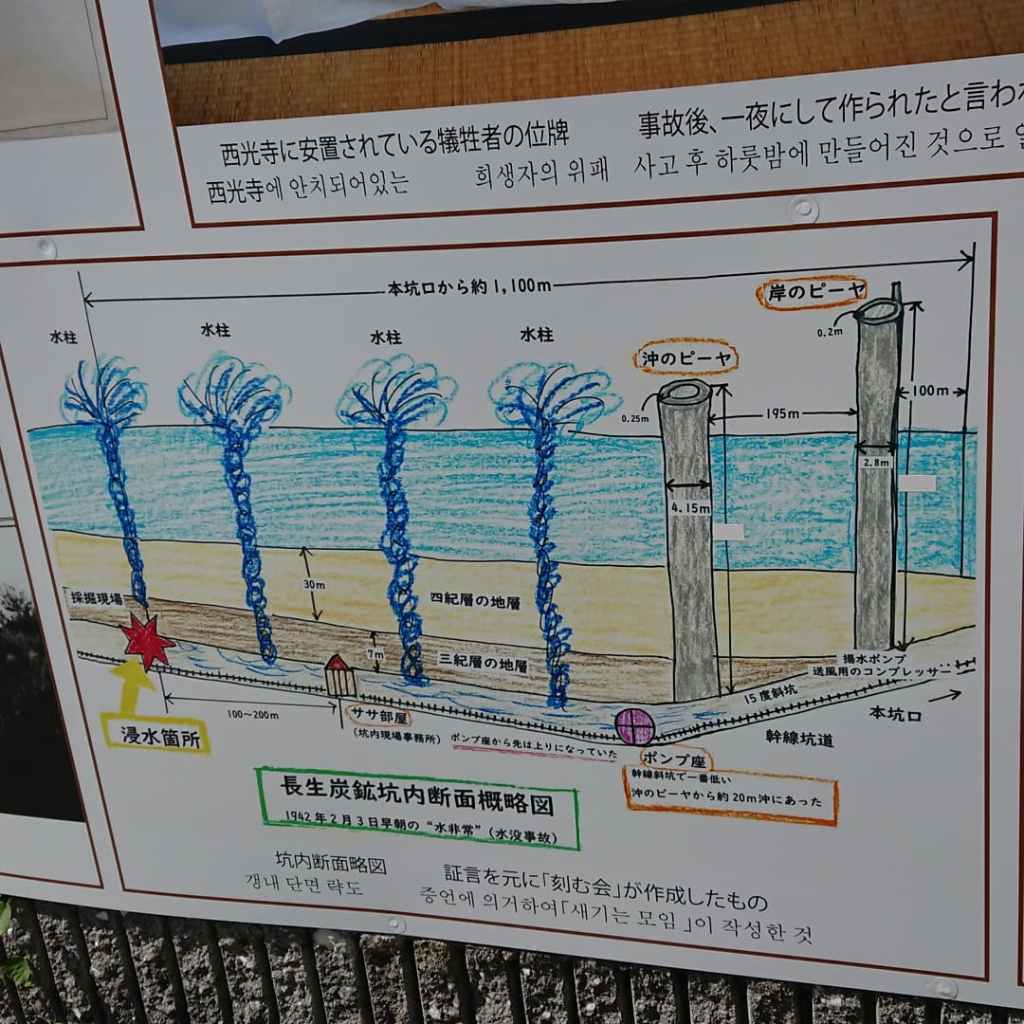
The Chousei Mine was under the sea. Now all that is left are two pillars in the ocean referred to as “piers”. Originally there was a long pier and tracks to carry coal to waiting ships. On the morning of February 2, 1942, the mine collapsed letting in billows of sea water and only a few of the miners had time to get out.

Of the 183 dead , 136 were Korean laborers (forced labor). At the time , these Korean miners were housed in barracks encompassed by a 3.6 meter- high fence and only allowed to walk the short distance to the mine entrance. This accident was not reported or was only mentioned in local newspapers saying “most of the miners managed to escape.”

In 1982, a memorial was erected and only the families of the Japanese miners were contacted to attend the dedication. Though there is a record of all the dead, no names were inscribed on the monument. it was built adjacent to a softball field overlooking the ocean and piers. The reason for constructing it was to appease the spirits of the dead so no harm would come to children playing on the field. (Japanese superstition!)

1982 Mnument to CHousei MIne VIcitms

Through the website I was able to contact the “Keep the History of Chousei Disaster in our Hearts ” (長生炭坑に“水非常”を歴史に刻む会)I promptly received an answer and was contacted by Yoko Inoue who offered to guide us to the new Memorial and explain the history to us.

Kizamu Kai member Inoue Yoko

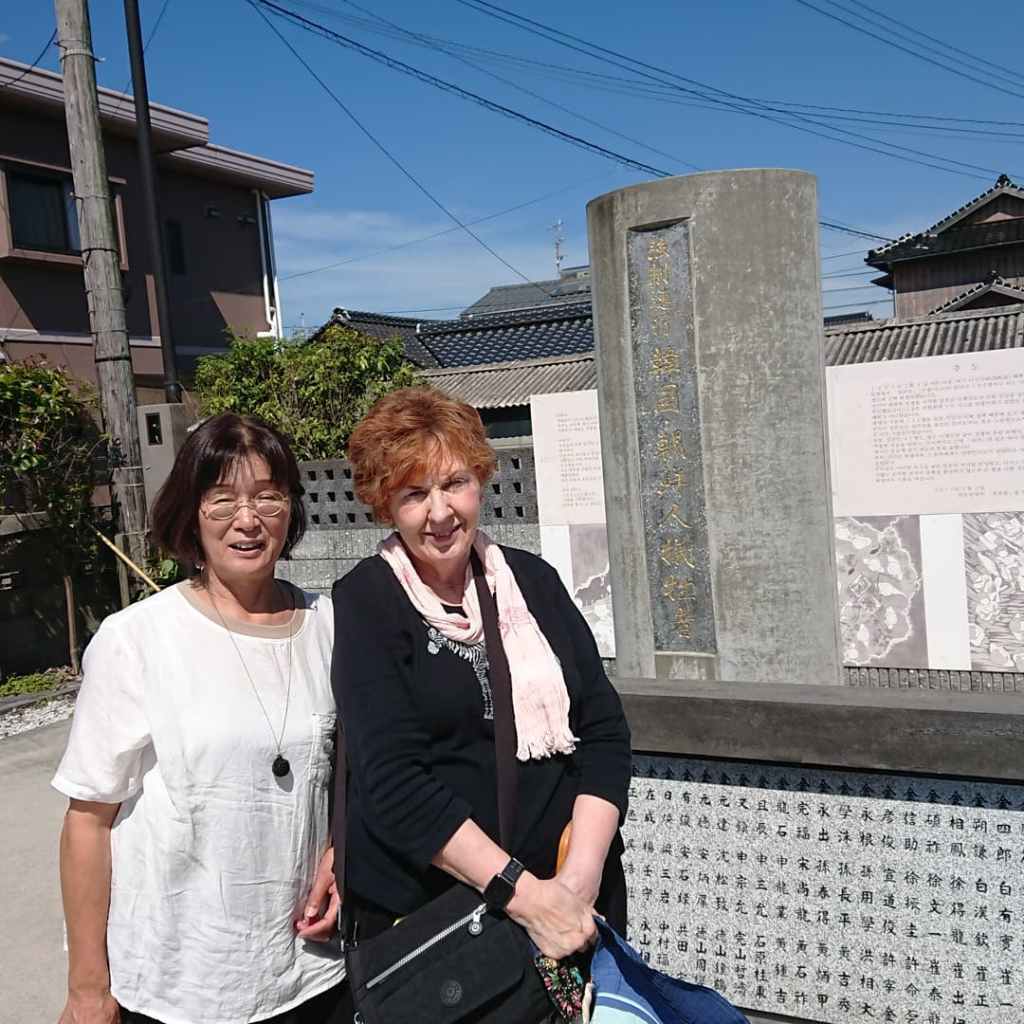
We visited the monument with names of all the victims, Japanese and Korean inscribed there. Two pillars reminiscent of the two piers represent Korean victims separately from Japanese victims. The ” Keep History” group found an old list of workers’ names from 1940 and sent out letters to all the Korean vicitms’ families. The addresses in Korea were old so there was no telling how many relatives would actually receive the letter.

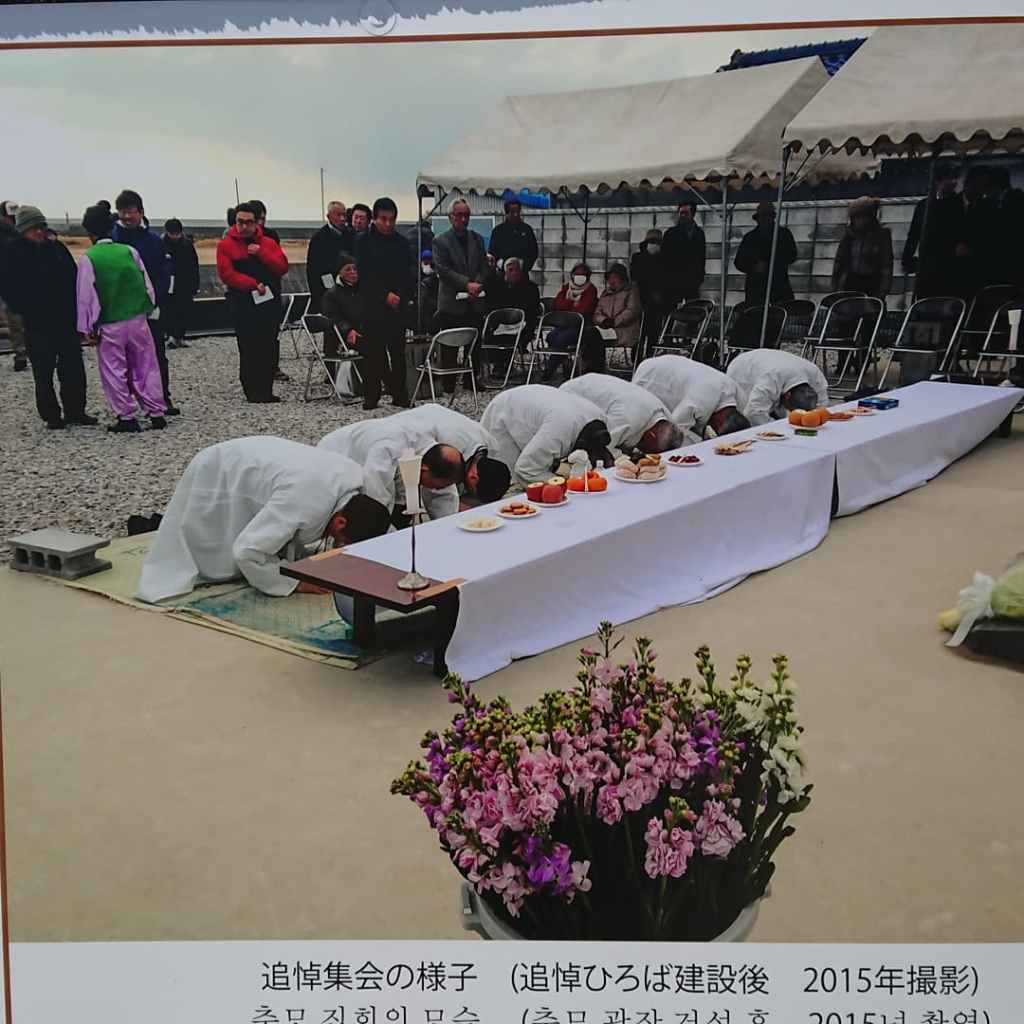
Korean relatives hold Memorial 73years on

I was amazed at the attempt to contact people after over 50 years. Of the 118 letters mailed out, there were 17 replies that first year. The surviving family members were invited to come to the sea to observe a commemorative service for the victims. I was touched to read the translation of one letter where a Korean woman wrote ” My mother was pregnant with me when my father left Korea. He may not have even known. We never heard from him again. We didn’t know how he died. So I am grateful to know how and what day he died. I would love to come to pay respect to him.”

Guides fo r the day, Inoue Yoko and Matsumoto-san

Later the inclusive monument was constructed and victims families come from Korea and Japan to Ube every year on February 3rd for a memorial service. I hope to read all the materials Yoko gave me and to visit there for the 80th Year since disaster Memorial Service in 2022.

From Ube we visited the Tokiwa Mine Museum which had no mention of the diaster or of forced labor in the mines, which is typical for government-funded museums and organizations. They want to deny the fact of forced labor from occupied Korea or Chinese war hostages.

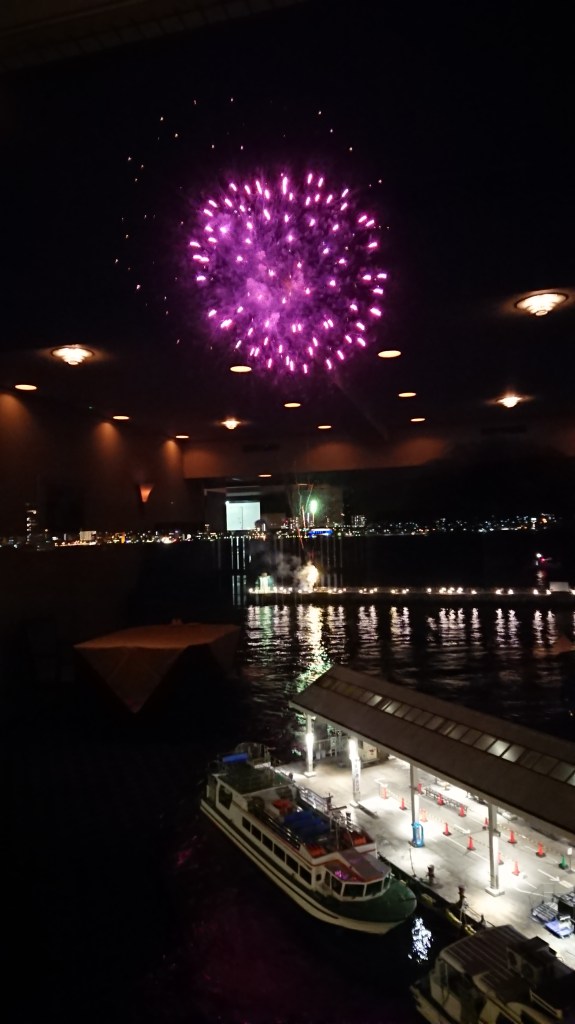
Fireworks from Restaurant View French Food

Reaching Shimoseki at about 3:30, we checked in to our hotel . We enjoyed our dinner and were very lucky that there was a fireworks display held that night.

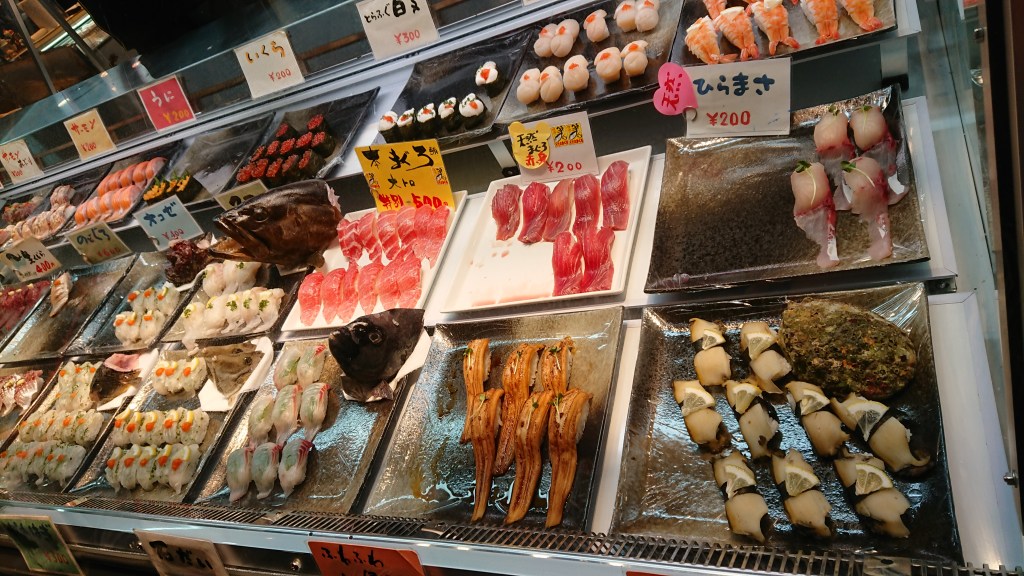
The next day we visited the Karato Fish Market and bought fresh octopus and squid. Then we enjoyed choosing sushi one piece at a time for lunch. It was a very popular spot.

Sushi at Karato Ichiba FIsh Market, Shimonoseki

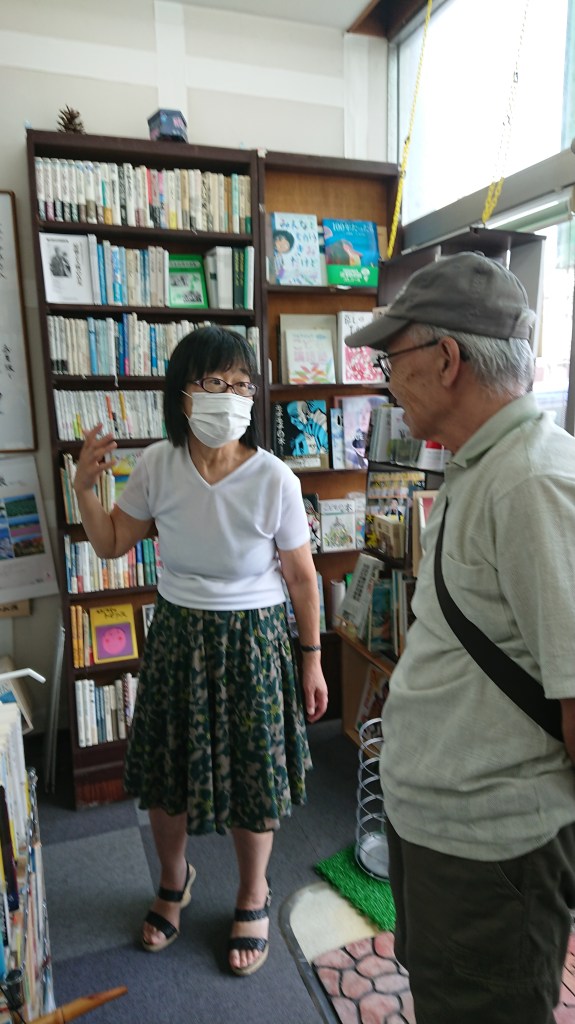
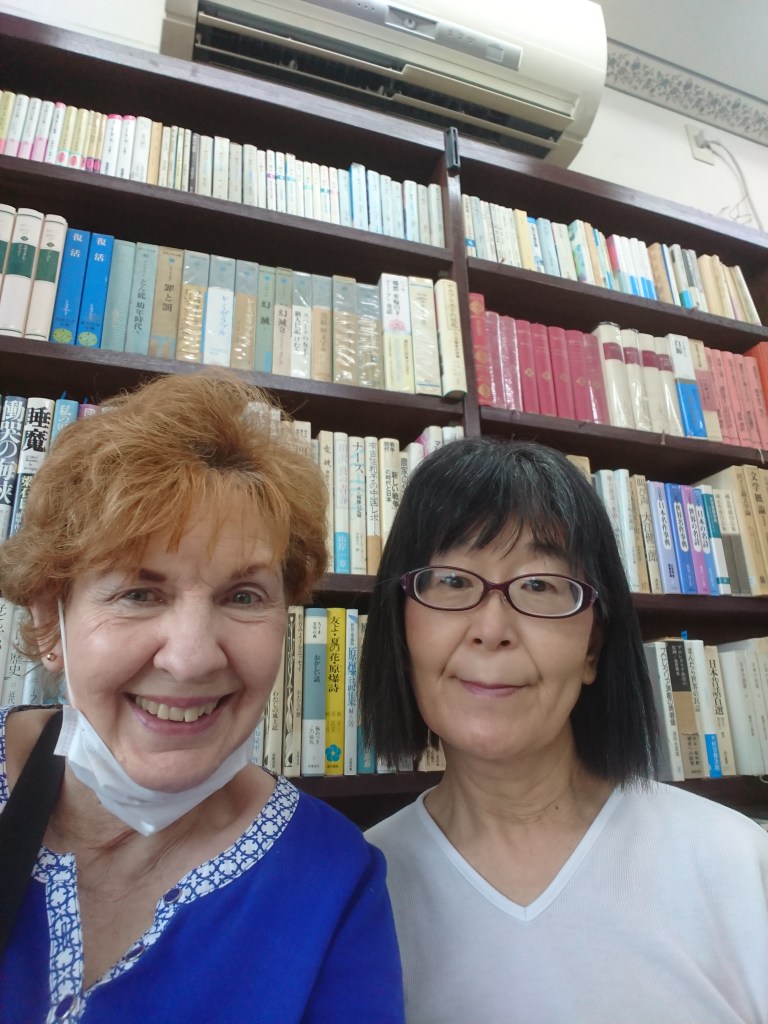
Finally Hiroo took me to one used bookstore , Azusa Books (梓 書店 083-232-4100) He said it was probably just “manga” but we were both pleasantly surprised to find it had so many books on history and social issues. It is a great place to visit. Owner, Tomoko Tsukioka has been in business for 40 years, 10 at this location.

HIroo talks with Tsukioka-san at Azusa Bookstore

With Tomoko Tsukioka at Azusa Books

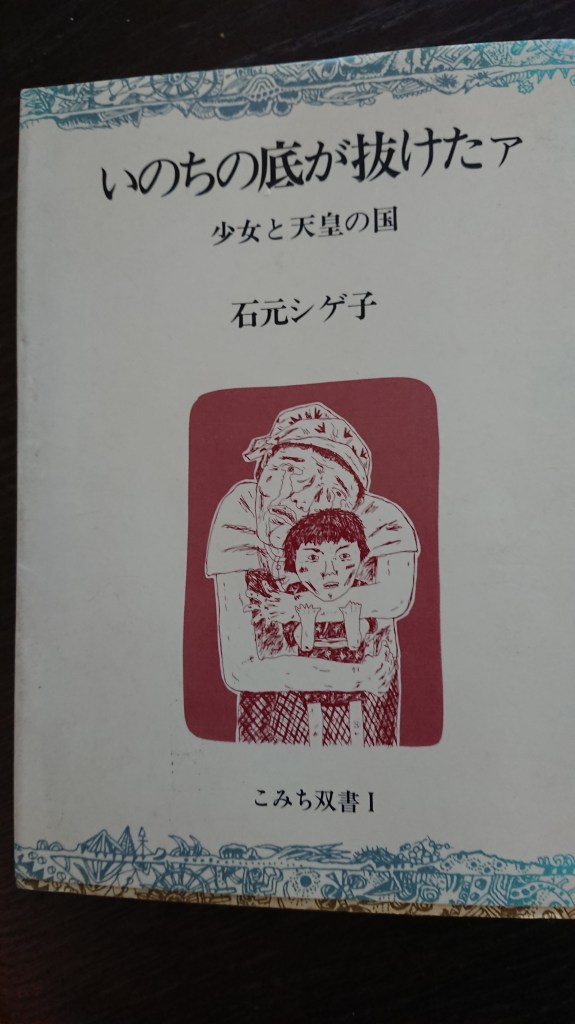
We enjoyed talking and she helped me find interesting books. When she heard it was our anniversary , she served us coffee! The most amazing thing was when she handed me one book and said, this is really a good book.

I found it!! (ずっと探していた!)

I was speechless as I had read it 30 years ago and often searched for it but had forgotten the title. This was just amazing and thrilling. She insisted on giving the book to me as a present! I hope to visit this shop with Eri some day.

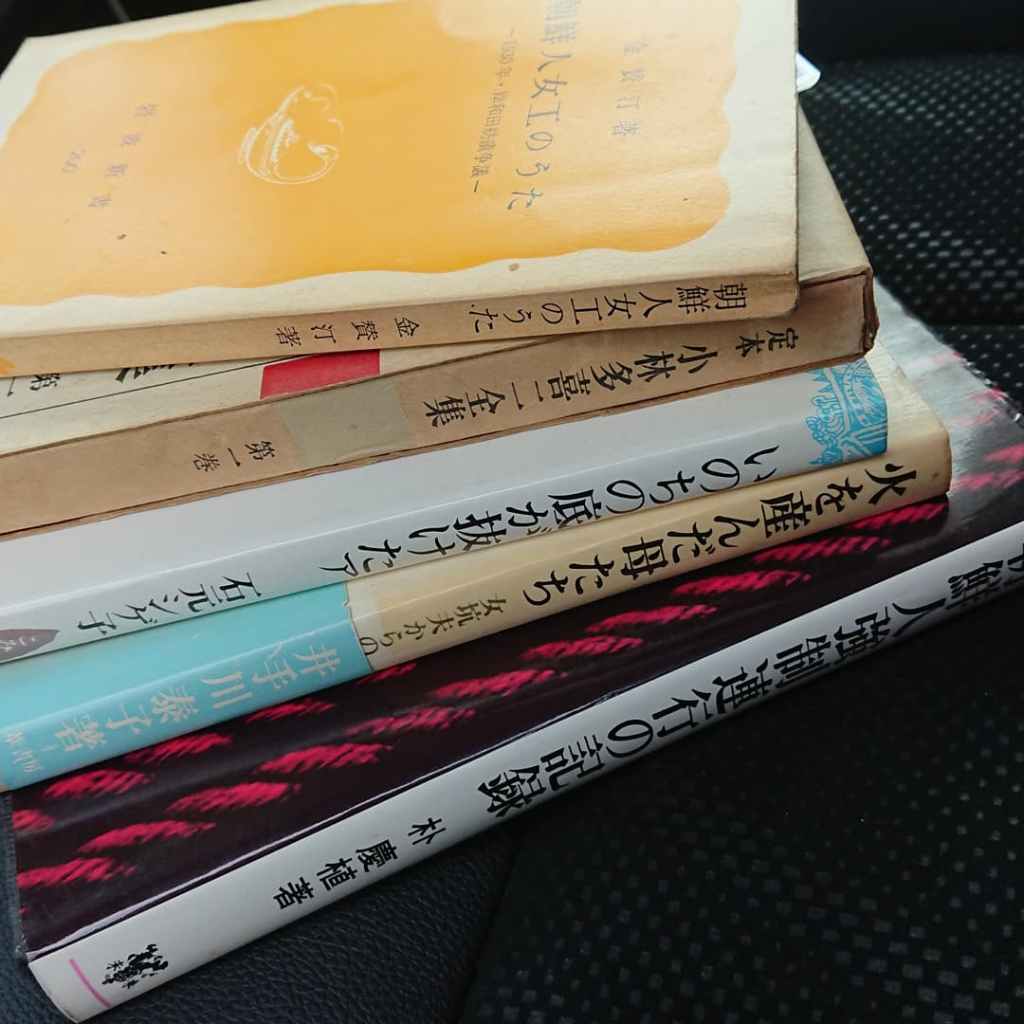
Books I bought

Tomoaru: New Friends

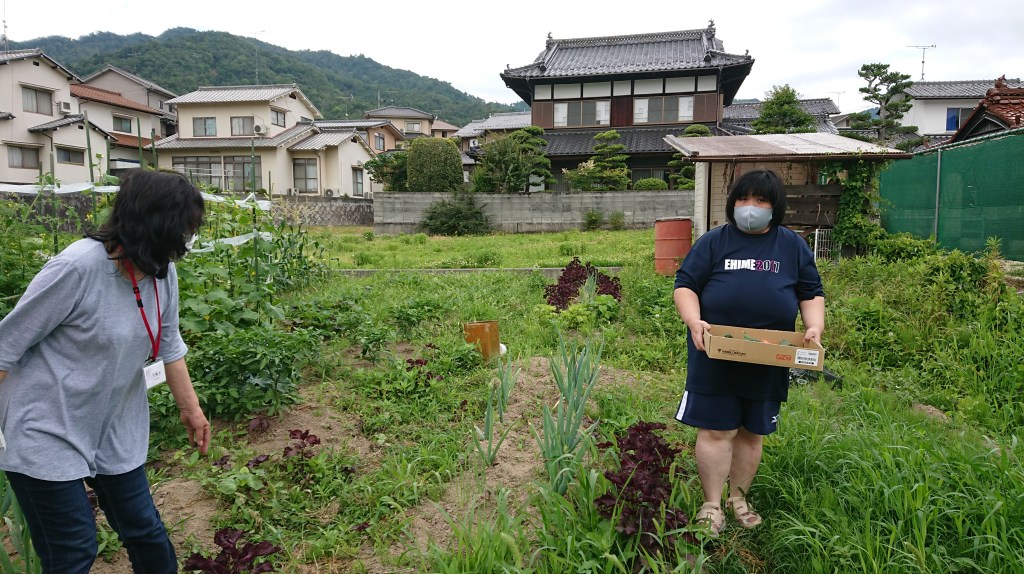
Gathering Vegetables at Tomoaru

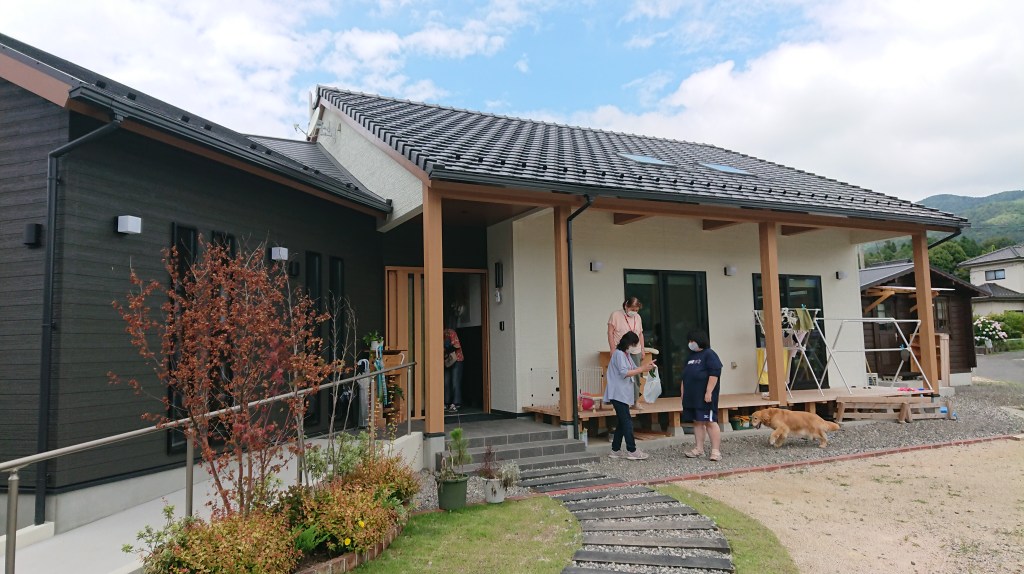
Last week I was invited to visit at a facility in Kumano, Hiroshima where many people with handicaps learn art or make jewelry.

They spend the day there and have lunch there. They also have a big vegetable garden outside. I enjoyed meeting many people there. I talked with Yuko as she made jewelry, and Megumi took me to the garden to gather fresh veggies.

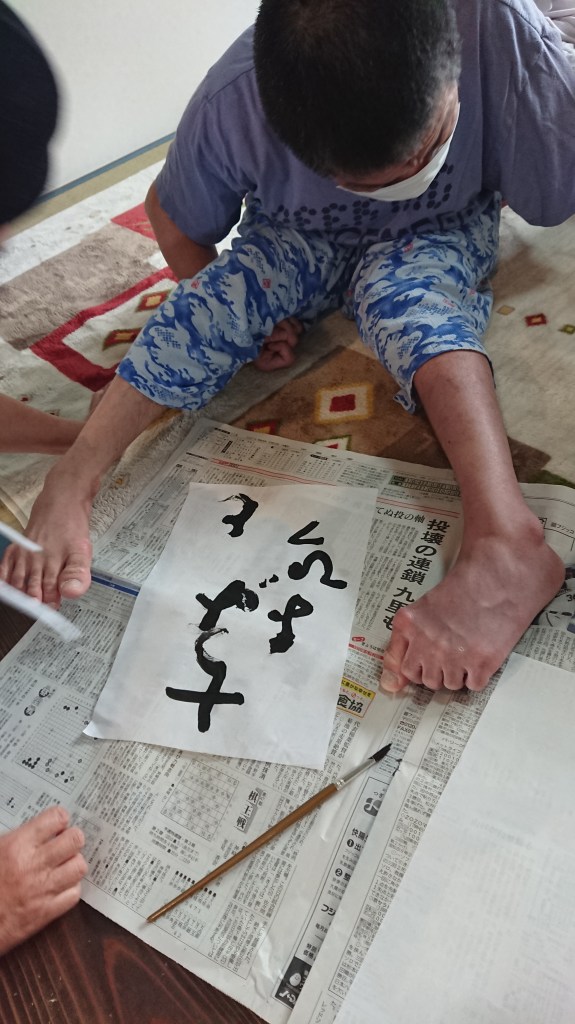
I was amazed to meet this man who does calligraphy with his foot. The word is that he is also a champion at Othello ( a chess-like game).

Calligraphy Artist

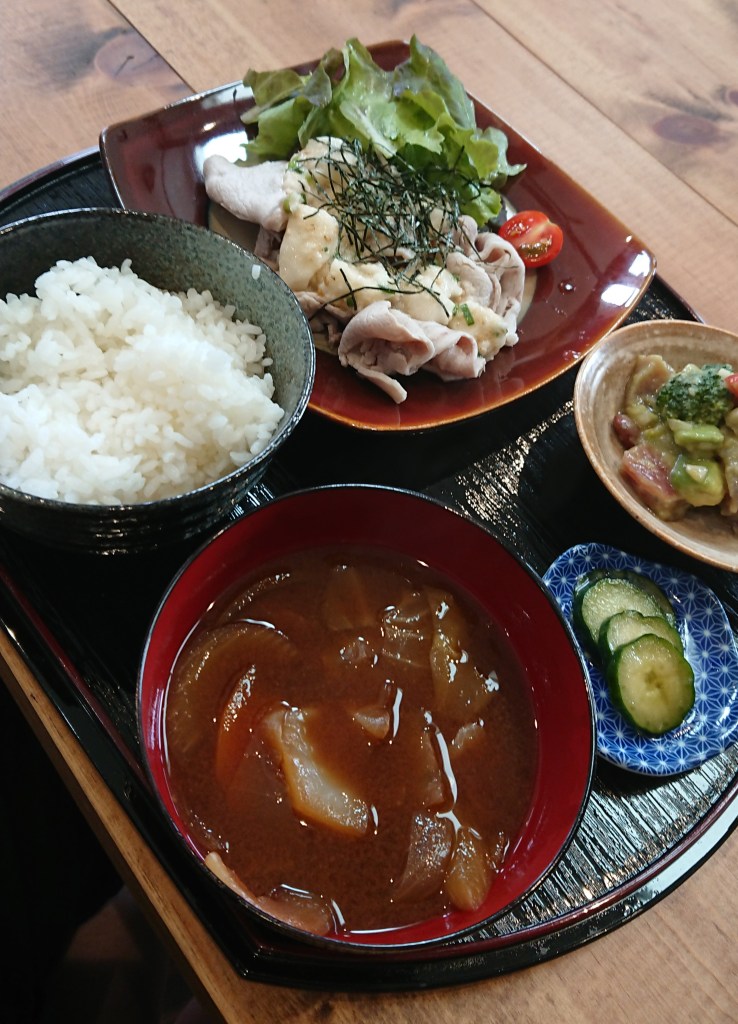
I had lunch there and it was quite filling. The staff and participants are all very friendly. Yuko gave me a beautiful glass magnet she had made. Yukiko gave me a hairpin. They will hold a bazaar on July 30th. I hope they can have some people come in spite of the coronavirus limitations.

Tomoaru Lunch

Thanks for inviting me. I wish I had more to contribute rather than just listening. I know they have lots of exciting things planned. Excursions, BBQs, games and many other events. What can I do??

Tomoaru House, Kumano
Megumi-san picked these for me!

I was so glad to meet you all. One young woman who was there showed me a photo of her three-year-old daughter in kimono. She was so proud. I wondered what barriers she had to overcome to have a child in spite of her handicap. We often think that those with Down’s syndrome or other conditions won’t marry or won’t have kids. In so doing we deny them basic human rights, deny their sexuality.

Friends at Tomoaru, Yumi, me and Yuko

A young man with cerebral palsy was being fed his lunch. Each person is unique with unique needs and abilities. The calligraphy artist had a body that seemed to be folded in half and unable to sit up, but he has made great efforts to draw and do other tasks that we take for granted. I was humbled to see him.

I hope to visit again, but I really want to think about what I could contribute, what I can do with everyone.

Thanks again for having me!

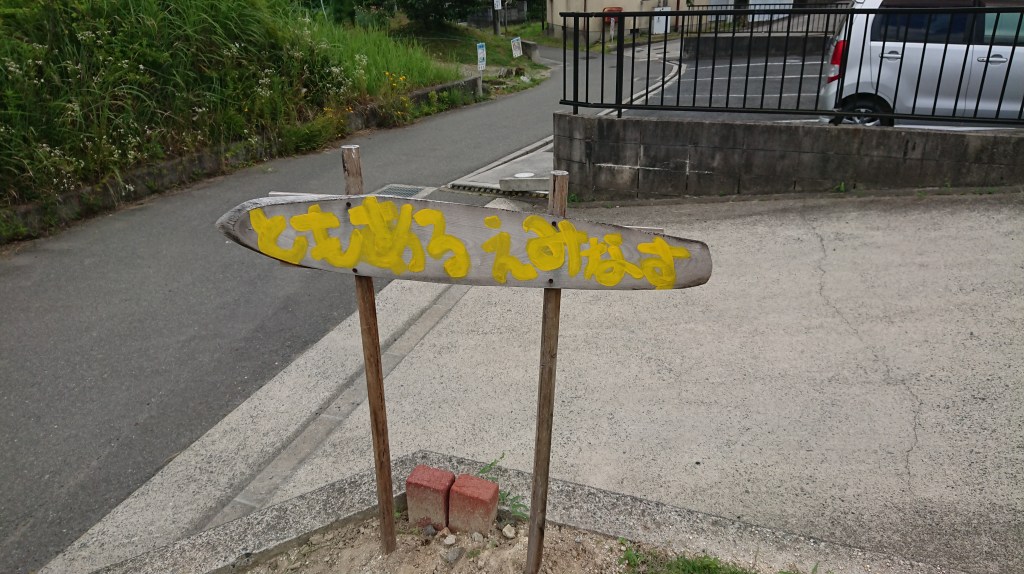
“Tomoaru” means I have friends!

Tsuyama Revisited

Tsuyama Archives of Western Learning

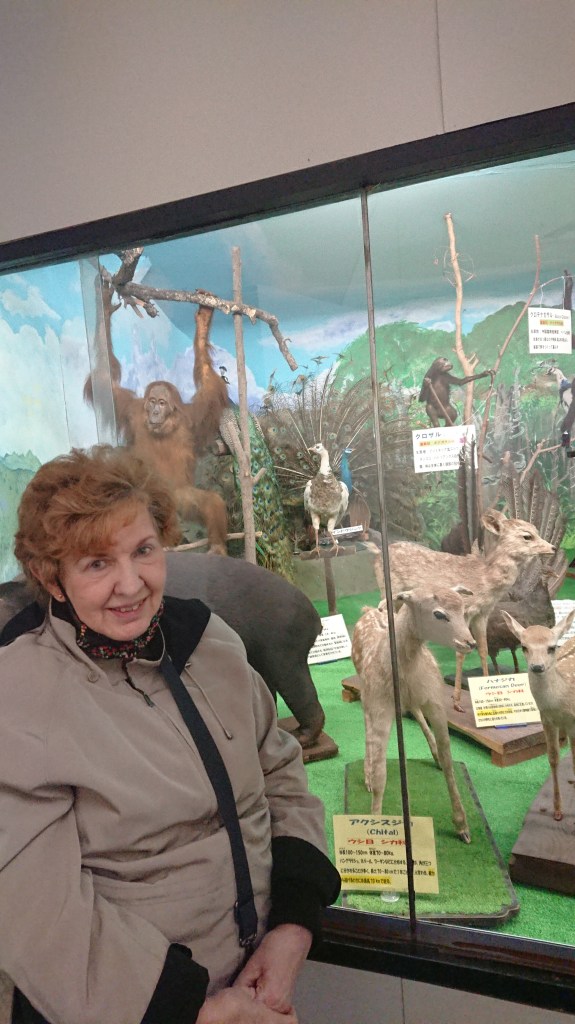
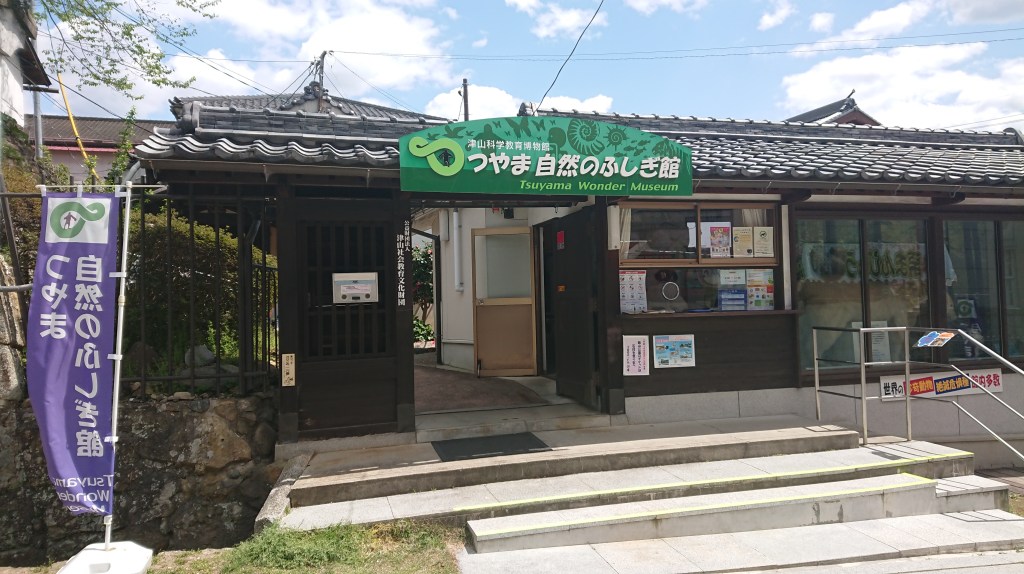
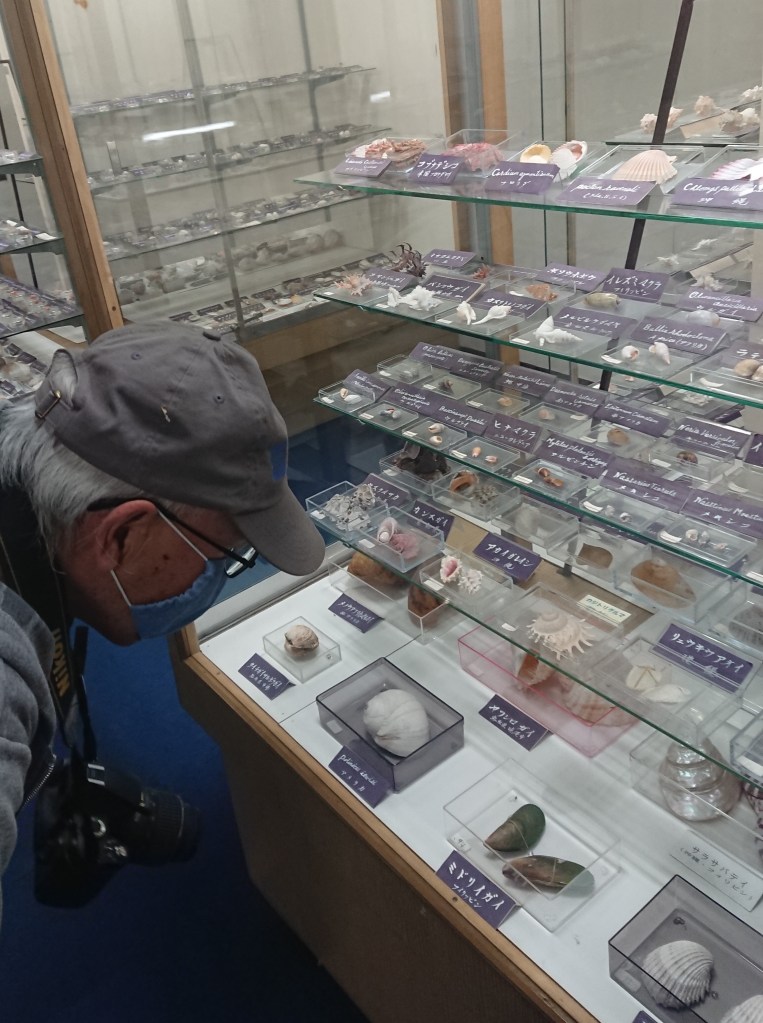
Just before the third wave of the pandemic, we snuck off to a rare spot in Okayama to see two museums in the sleepy little town on Tsuyama. Located in the north of Okayama city along the Chugoku Jukanro expressway, Tsuyama was a castle town ruled by Mori Masatada at the start of the Edo period. The original castle no longer stands, but there is a park and many cherry trees there. Next to the park stands the Tsuyama Fushigi Science Museum, (or Tsuyama Wonder Museum 津山自然のふしぎ館), an amazing collection of birds, animals and insects as well as a roomful of seashells. These animals are stuffed specimens from all over the world.

Among the Animals

The story of the museum itself is exciting as it was built by one man who sold off his family business to create the museum as he wanted to show people how amazing God’s world is. Morimoto Keizo was a Christian and a member of Uchimura Kanzo‘s Mukyokai group ( 無教会派 ). Opened in 1963 in a former school building, this natural science museum houses over 22,000 specimens. The building has aged and the floors slant in places. There are no elevators so you have to climb the stairs.

Tsuyama Shizen no Fushigikan Museum
Seashells Room

This was my second visit but Hiroo had never been there so he enjoyed it thoroughly and spent about an hour looking at the seashells. I was amazed at the size of the “elephant walrus.” I definitely recommend a visit here especailly if you have children who are interested in butterflies, insects and animals.

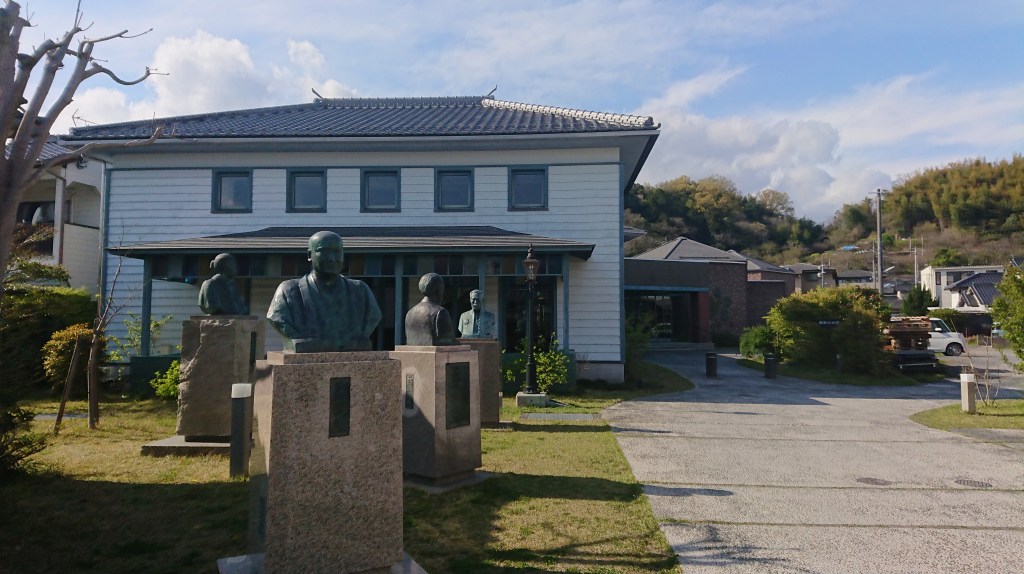
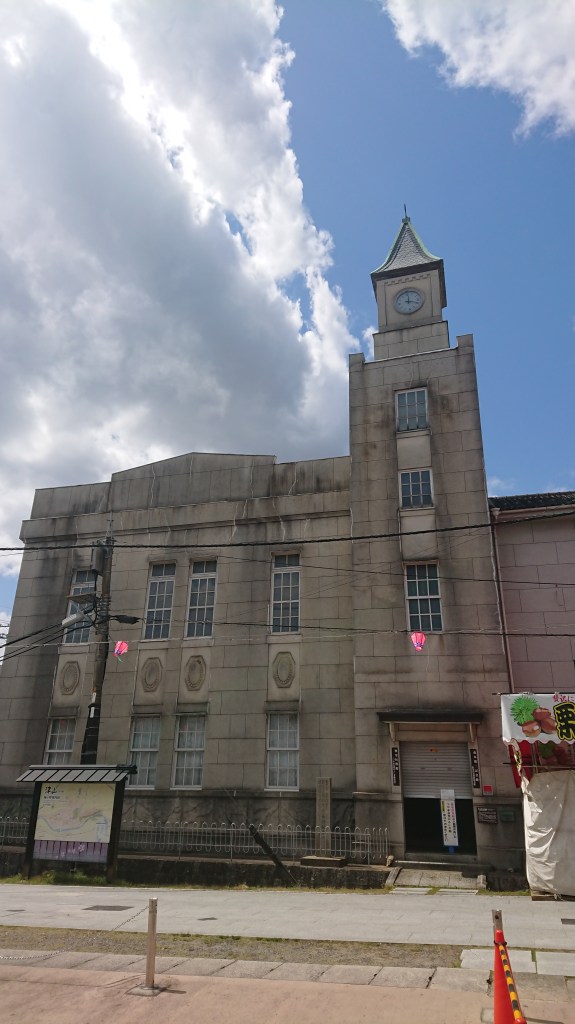
Kirisuto Toshokan, Tsuyama, Okayama Prefecture

Across the way there is a History Museum which includes much information about Morimoto and “non-

church” Christians. This was originally the Kirisutokyo Toshokan”(Christian Library) and meeting hall. (See above)

After having a brief lunch, we drove to the Tsuyama Archives of Western Learning.

The building was very new but, in this case, no photos allowed inside. I had never known that when Japan was closed to foreigners for 230 years, that it was a group of young scholars from Okayama that got together to learn Dutch ( we only traded with the Dutch and the Chinese during the period of isolation) and that this group of young men from Okayama created the first Dutch-Japanese dictionary.

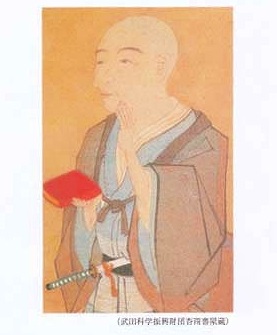
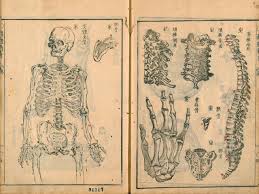
Dutch learning or “Rangaku” was developed in order to learn about advanced science in the West. Sugita Genpaku ( 1733-1817) received a book on anatomy from the Netherlands and was amazed at the detailed information there. Determined to translate it, he gathered this group to study it.

Sugita’s Translation 『解体新書』
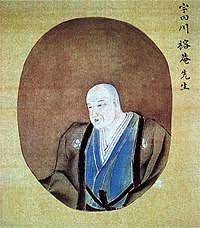
Utagawa Genzui 【1755-1797)

Following in his footsteps, Utagawa Genzui, a doctor in Tsuyama domain, translated and published other medical books, becoming the first to introduce Western medicine to Japan. His adopted son, Utagawa Genshin, went on to publish books on medicine and pharmaceutical topics, increasing the knowledge of Western medicine in Japan.

Japanese Translation of Dutch Anatomy Text
Utagawa Yoan, Coffee Lover

Utagawa Yoan

I was most fascinated by the adopted son of Genshin, Utagawa Yoan, also a doctor. He wrote the first book on botany in Japan. He also wrote a book on Chemistry and then had to invent new “kanji” or characters to express ideas or words not yet known in Japan. For instance, he made the words for cell ( saibou, 細胞) oxygen (sansou, 酸素), and even for coffee (珈琲)

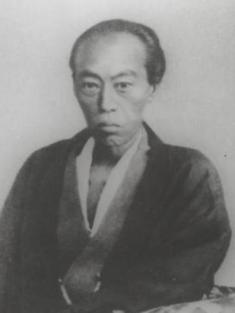
Mitsukuri Genpo

Mitsukuri Genpo was born and raised in Tsuyama. He supported the negotiations between Japan and America by translating the letter from the President of the United States, presented to the government by Commodore Perry and also was present when a Russian delegation came to Nagasaki.

Genpo’s several adopted sons also contributed to Western learning in Japan and studied in Europe or America. They contributed to the knowledge of botany, zoology, medicine, and Western history .

Mitsukuri Genpo

I definitely recommend you visit this very unique museum which not many people know about.

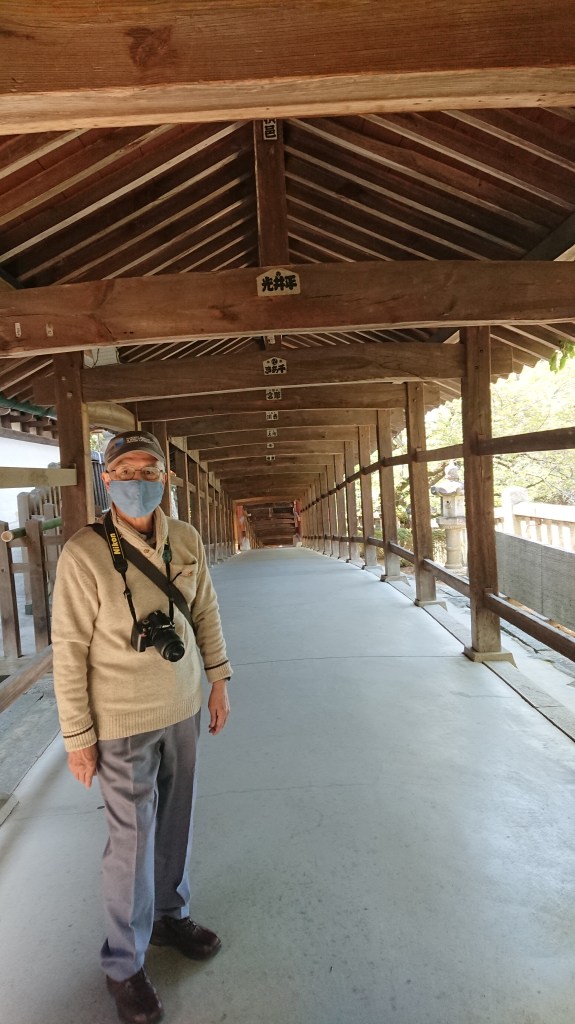
We traveled south to the Kibiji Onsen (Hot Springs) where we stayed and enjoyed a nice dinner. The buffet style breakfast was quite bountiful and tasty. It is only a short drive from there to the famous Kibitsu Shrine (吉備津神社)This is a truly beautiful shrine with an amazing long sloping hallway.

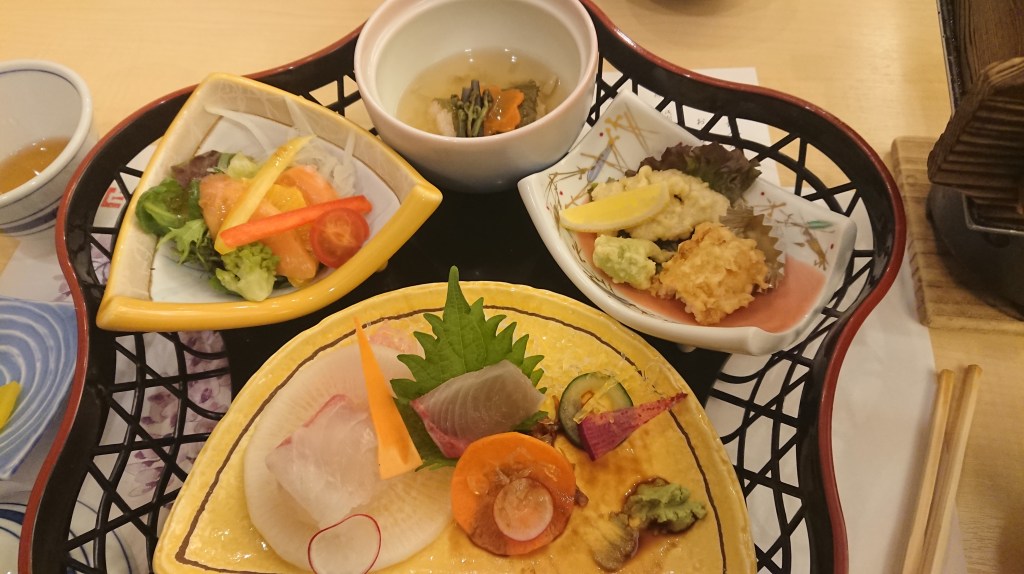
One of the Dishes Served at Sun Road Kibiji (国民宿舎サンロード吉備路)

Amazing Hall at Kibitsu Shrine

If you visit Okayama, I highly recommend Tsuyama. Along with Katsuyama, it is one of my favorite areas.

Book Review: Kutsumi Fusako

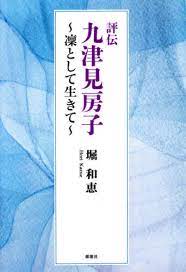
「九津見房子 凛として生きる」  堀和恵 (2011 郁朋社)

Reading the biographical novels of Yamashiro Tomoe, I run across many interesting people and have to sidetrack to learn more about each of them.

Kutsumi Fusako was an activist and member of the then illegal Communist Party in 1930s Japan. She is known as the first woman to be arrested and imprisoned for violation of the Chian Iji Ho ((Maintenance of the Public Order Act), a law passed in 1925 to suppress dissent under the increasingly militaristic government in Japan.

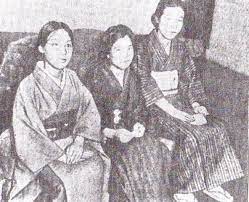
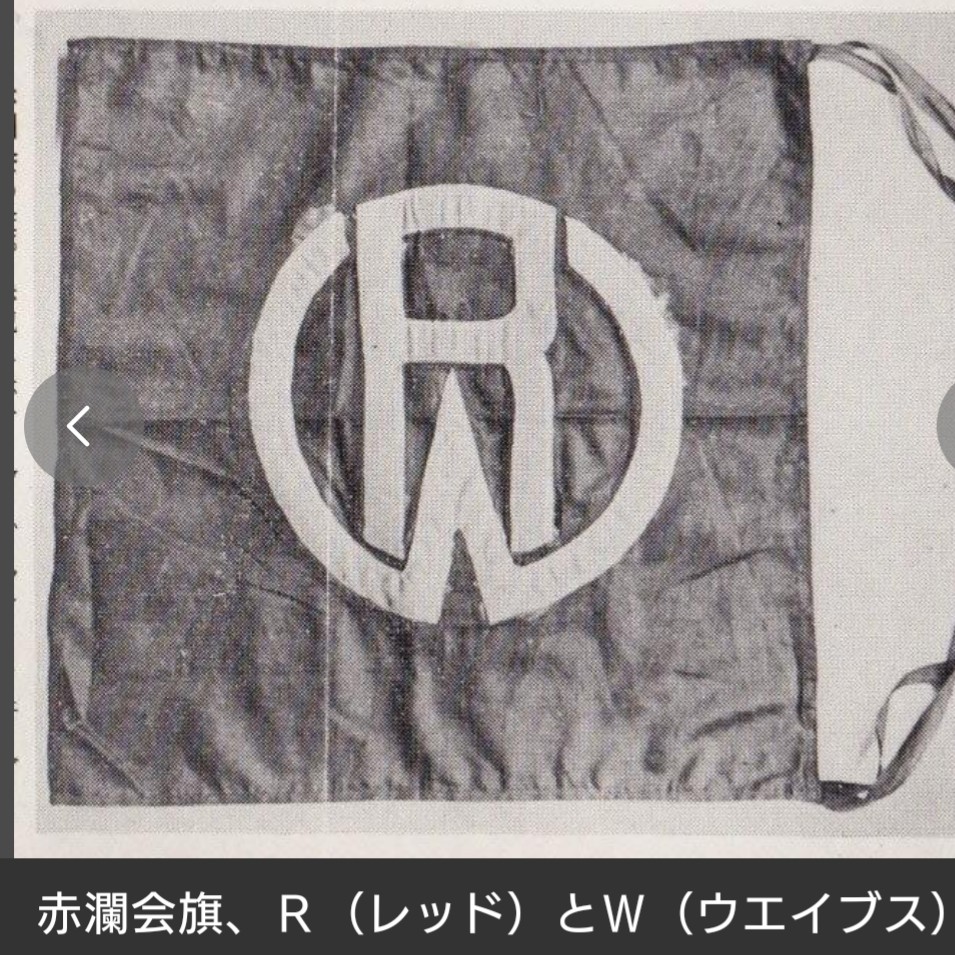
However, I think it is important to remember her as the leader in forming the first women’s socialist group in Japan, the Sekirankai (関蘭会)in 1921 along with Sakai Magara and Itoh Noe. On the Second May Day March held in Japan, these women carried a black flag with the red logo “RW” ( Red Wave) emblazoned on it. All were arrested immediately and made sensational news in the next day’s paper.

May Day Marchers
赤瀾会,左から山川菊栄、伊藤野枝、近藤(堺)真柄

Born in Okayama (岡山市弓之町)in 1890、her maternal grandfather had been a karo (chief retainer) in Katsuyama-han(勝山藩). Her parents divorced when she was 3 and her mother, a licensed midwife, opened an obstetric clinic in Okayama. Fusako attended a Catholic kindergarten nearby. When she was 5, she contracted dysentery, an often fatal illness. The priest from the school forced his way into the quarantined house insisting that Fusako be baptized so she could go to heaven if she died. This enraged her mother, a dedicated Buddhist, and she thereafter put Fusako into the local school. Nevertheless, the Christian ideals she had learned at an early age influenced her and encouraged her throughout her life.

Fusako later entered a girl’s high school in Okayama. A medical student who boarded at her home lent Fusako a copy of Edward Bellamy’s “Looking Backward 2000-1887” (100年後の新社会)and she began to be interested in social issues. This medical student was doing volunteer work in the minority burakumin community in Okayama and Fusako assisted him.

One day, on her way to school she noticed a poster for a lecture held in the Shokakuji temple (正覚寺)。She decided to attend and was the only woman there. Afterwards she met the speaker Yamakawa Hitoshi (山川 均.)She was 16 years old and she soon decided to leave home and go to Tokyo, staying with the widowed socialist and activist Fukuda Hideko. (福田英子)While there she helped with housework or printing of “Seikai Fujin” ([世界夫人」) While living there she often met people involved in Socialist causes like Uchimura Kanzo, Kanno Sugako, Sakai Toshihiko, Kotoku Shussui and Arahata Kanson.

Returning to Okayama only for her father’s funeral, she stayed and lived with her mother until 1911. Then she was alone and had no qualifications to support herself. Uchimura Kanzo introduced her to an evangelist in Osaka, Takada Shuzo. Takada was preaching a brand of Christianity mixed with Buddhist principles so his wife had left him. Kutsumi went there to assist him in his work but ended up marrying him as his common law wife in 1913. They had two daughters but Takada refused to work or support them. He believed that “God will provide all our needs,” and so it’s not necessary to work. The family was now living in Tokyo and Kutsumi worked in a kimono tailoring shop to support them. She divorced Takada in 1920.

She was asked to help with the printing of an illegal version of the “Communist Manifesto” and this provided the impetus for her to join the Socialist movement again. She met Mitamura Shiro (三田村四郎)and eventually married him. Relocating in Hokkaido, the couple continued to recruit people to the worker’s cause. This drew the attention of authorities as the government was cracking down on socialism on the eve of the invasion of China. Not only Kutsumi but her 14-year-old daughter, Itoko, were arrested and held. Stripped and beaten by the Special Political Police (特高警察), Kutsumi nevertheless refused to give up any information, only saying ” I don’t know” or “I forgot.”

Kutsumi was sentenced to 5 years and 4 months in prison for violation of the Maintenance of the Public Order Act. This roundup of Communist sympathizers is known as 3・15, having taken place on March 15, 1928. Her daughters were taken in by friends and later by their father.

After release, Kutsumi lived quietly with her daughter. In 1936, she was asked by someone she formerly knew to help with the work of a young American Communist named Miyagi Yotoku. She met to discuss it with Miyagi and Takakura Hikaru several times. They were being followed by the police, she was arrested in 1941 for collusion with the Russian spy Sorge (whom she had never met), and sent to Wakayama Women’s Prison with an 8 year sentence. There she met Yamashiro Tomoe. Kutsumi was released from prison by the GHQ in 1945 after serving 4 years. She spent more time in prison than any other female activist in Japan.

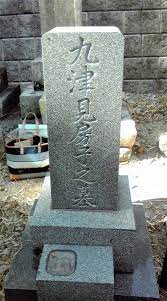
Kutsumi Fusako’s grave in Katsuyama. Okayama-ken

Kutsumi spent her latter years living with her daughter’s family in Kagurazaka. Her home is now a cafe called Kissa Tonboro (喫茶トンボロ)She didn’t participate in politics but was strongly anti-war and kept reading “Akahata Shinbun“. Of her motives in life she said

“The basis for my 80 year beliefs was Christ’s teachings. …..The idea of loving others was the biggest influence on me.” (p. 174) I thought again how that many of the social activists of the Taisho and early Showa eras were, at least at one time, Christians and that it certainly influenced their work in reforming factories and social conditions.
While this book did not give new insight into the life of Kutusmi, it was very readable and told the story of her life and her experiences in a way I could comprehend and enjoy. I highly recommend it.
 

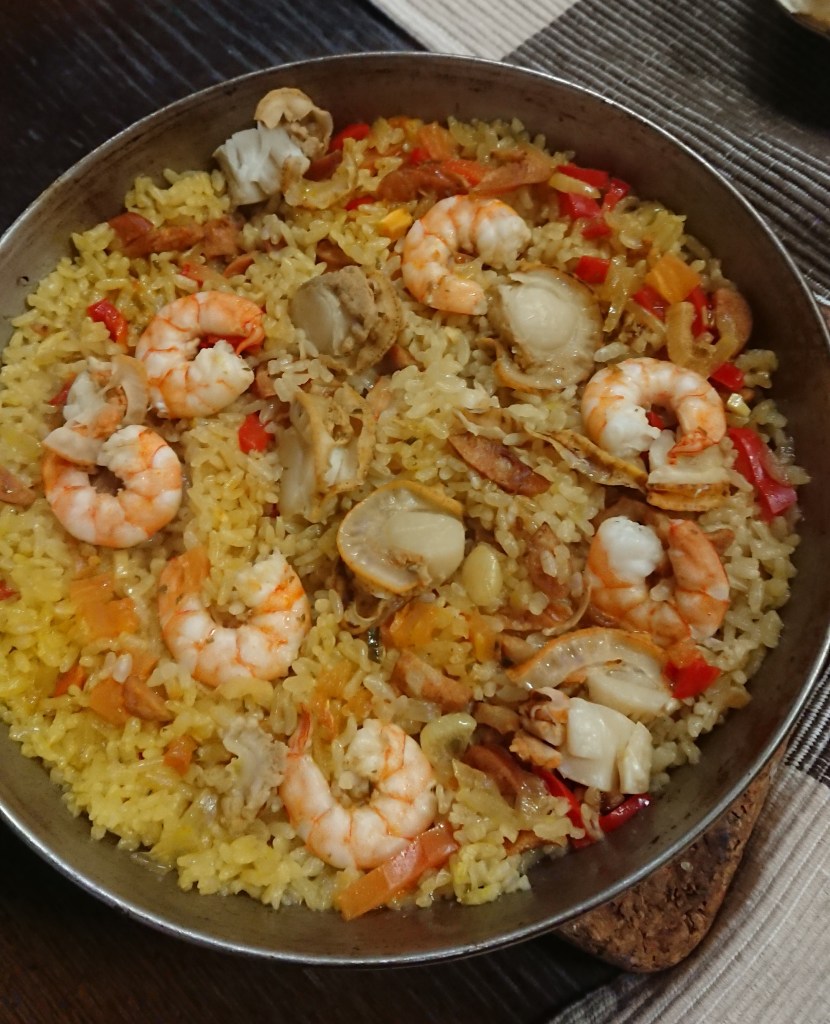
Paella

210 g rice, wash and drain 1.5 ゴ

1/4 onion, chopped

150g chicken thigh

1 clove garlic, minced

1/2 red bell pepper, sliced

saffron,(tumeric as substitute)

olive oil

chicken boullion 1 cube

green beans or green pepper

1/2 can (200g) tomatoes

250 cc water

shrimp, clams, squid

parsley, lemon

Cut chicken in bite-size pieces.

Chop onion and garlic.

Saute chicken and red bell pepper in oil. Remove.

Saute onion and garlic. Add drained rice. Saute.

Add tomatoes, water with dissolved tumeric and boullion cube.

Heat over high, add chicken and seafood. Cook 10 minutes over high heat, turn to low cover with foil and cook 10 minutes. Let stand 5 minutes. Garnish with lemon and parsley.

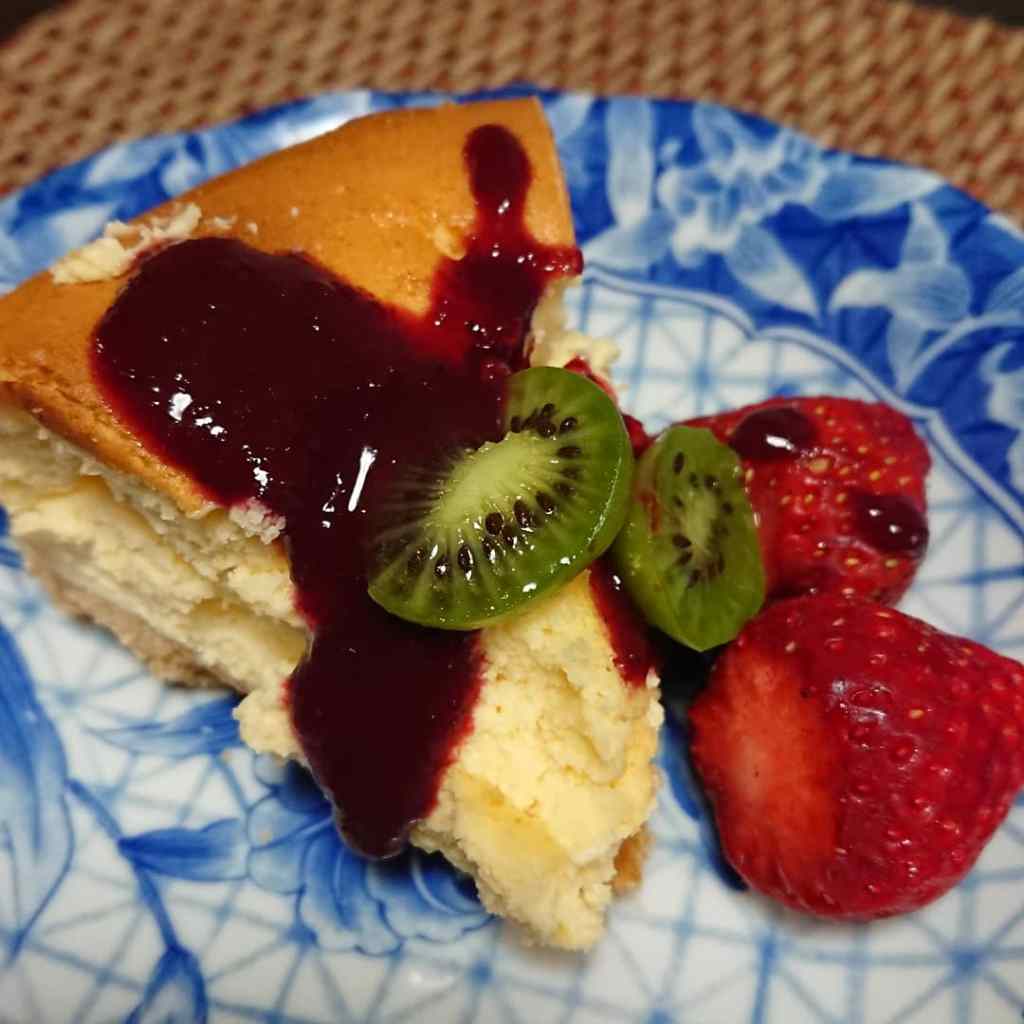
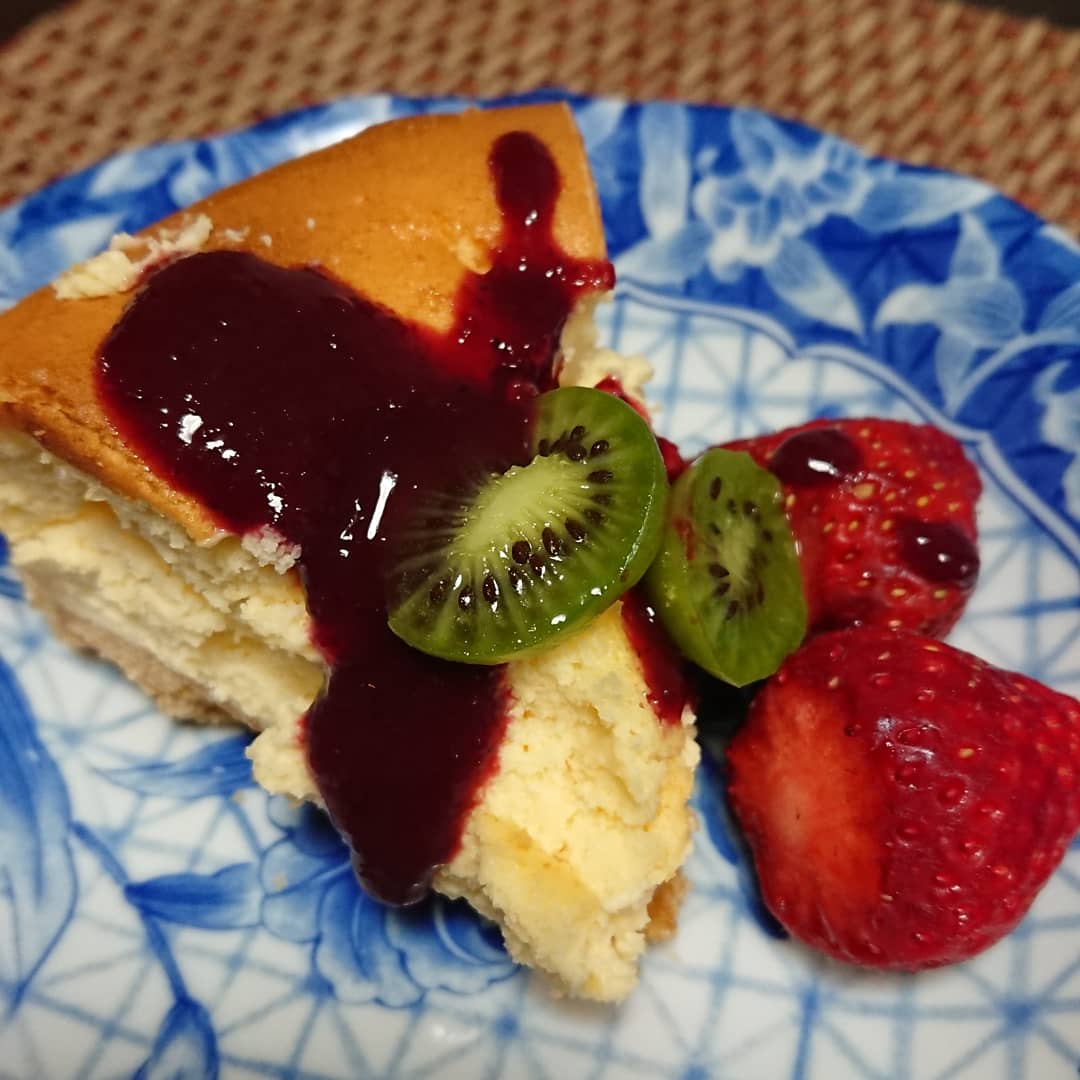
Souffle Cheesecake

Light and creamy. Only uses one package of cream cheese!

3 egg whites +20g sugar

200g cream cheese

3 Tbsp plain yogurt, drained

50g margarine or butter

40g sugar

3 egg yolks

50cc cream

30g flour, sifted

juice of 1/2 lemon

lemon zest

Beat egg whites and 20g sugar till very stiff. Set aside. Beat softened butter, cream cheese. Add sugar. Beat well, then beat in egg yolks, one at a time. Add yogurt, and cream, Add lemon zest, juice. Add flour, beat.

Gently fold in egg whites. Pour into a 18 cm pan. (or pour over the baked crust in a 18 cm spring- bottom pan.) Place in a pie pan and set in an oven tray filled with boiling water. Bake in 170度 C (325°F)oven 30-40 minutes. Immediately, run a knife bround the edge to loosen cake from pan so it won’t sink in the middle. Cool in pan. Chill well.

Crust (if desired)

26-30 Ritz crackers

3 Tbsp sugar

50-60g melted margarine or butter

Toss together. Press into 18 cm spring-bottom pan. Bake at 180°C (350°F) for 10 minutes.

Coal Mining In Kyushu

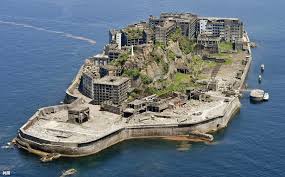
The Industrial Revolution in Japan started after the Meiji Restoration and the Chikuho Mines were opened in the 1890s. We planned to visit 3 mines in Kyushu: Chikuho Tanden (筑豊炭田)in Tagawa, Fukuoka prefecture, Miike Manda Pit (三池万田炭鉱)in Arao, Kumamoto prefecture and Hashima (also called Gunkanshima) (軍艦島)in Nagasaki.

I became interested in visiting these areas after reading a report written by Makise Akiko about her trip to see the Mine Museum in Tagawa. She recommended several books and I read one by a man named Ueno Eishin (「追われゆく坑夫たち」上野英信)He dropped out of prestigious Kyoto University to go and work in the Chikuho Mine for ten years. He interviewed many miners and wrote documentaries of life in the mines. My husband was so appalled by the brutality that he couldn’t finish reading it.

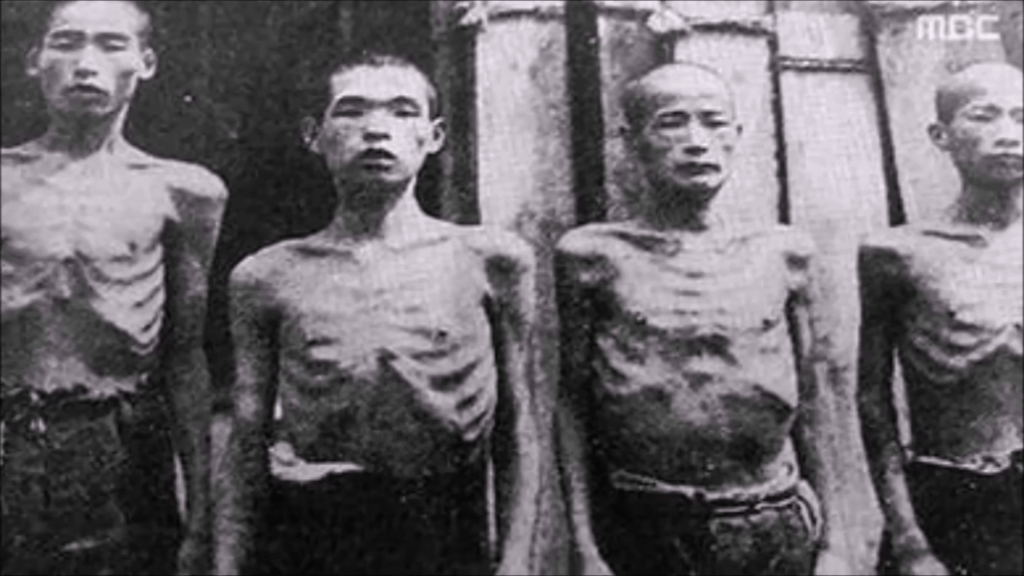
I became aware that many Koreans were used as forced labor in the mines, given the most dangerous areas to dig in and “lynched” or tortured for the slightest infraction. The torture often led to death. Even Japanese workers were barely paid, barely fed and forced to work 15 hour shifts under the ground in temperatures over 40 degrees (104 F).

Yamamot Sakubei’s drawing of “lynch”

Yamamoto Sakubei went to work in the mine with his father and brother when he was 7 years old. When he was 61, he began to draw pictures of life in the mine so his grandchildren would know what it had been like. These drawings are now a UNESCO World Heritage “memory” and can be seen on the second-floor gallery at the Tagawa Mining Museum in Tagawa, Fukuoka.

Yamamoto Sakubei.(山本作兵衛)artist

We met the curator of the museum, Moriyama Senichi, who is very knowledgeable about the mines and human rights. He took us to see the monument to Koreans who died in the mines located on the grounds of Hokoji Temple. (法光寺)Japan had invaded Korea and made it into a Japanese colony in 1910, taking over land and businesses and forcing the people to speak Japanese.

At Hokoji with Moriyama san and temple priest, Inoue san
Memorial to Koreans killed in the mine 1939-1945

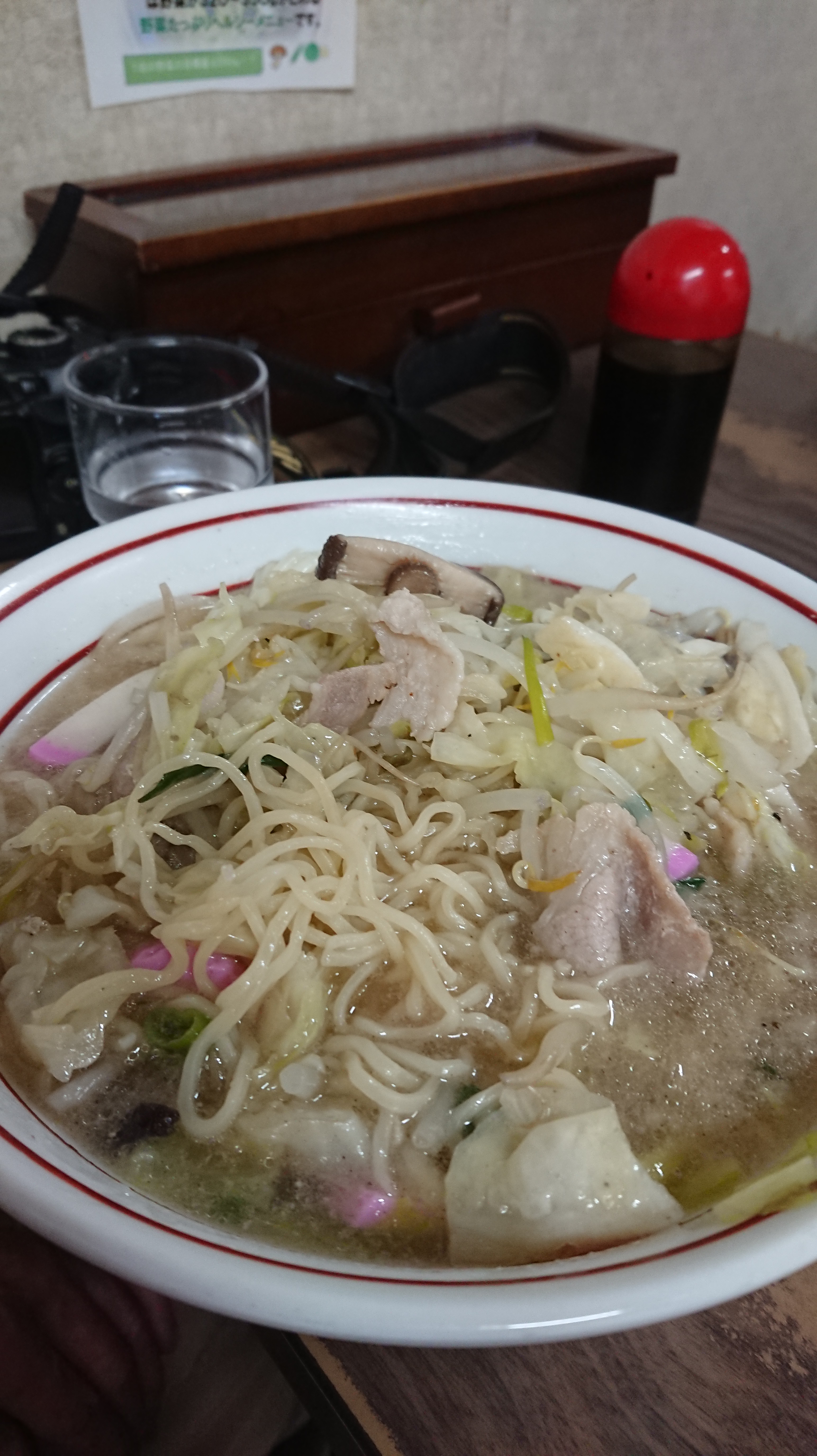
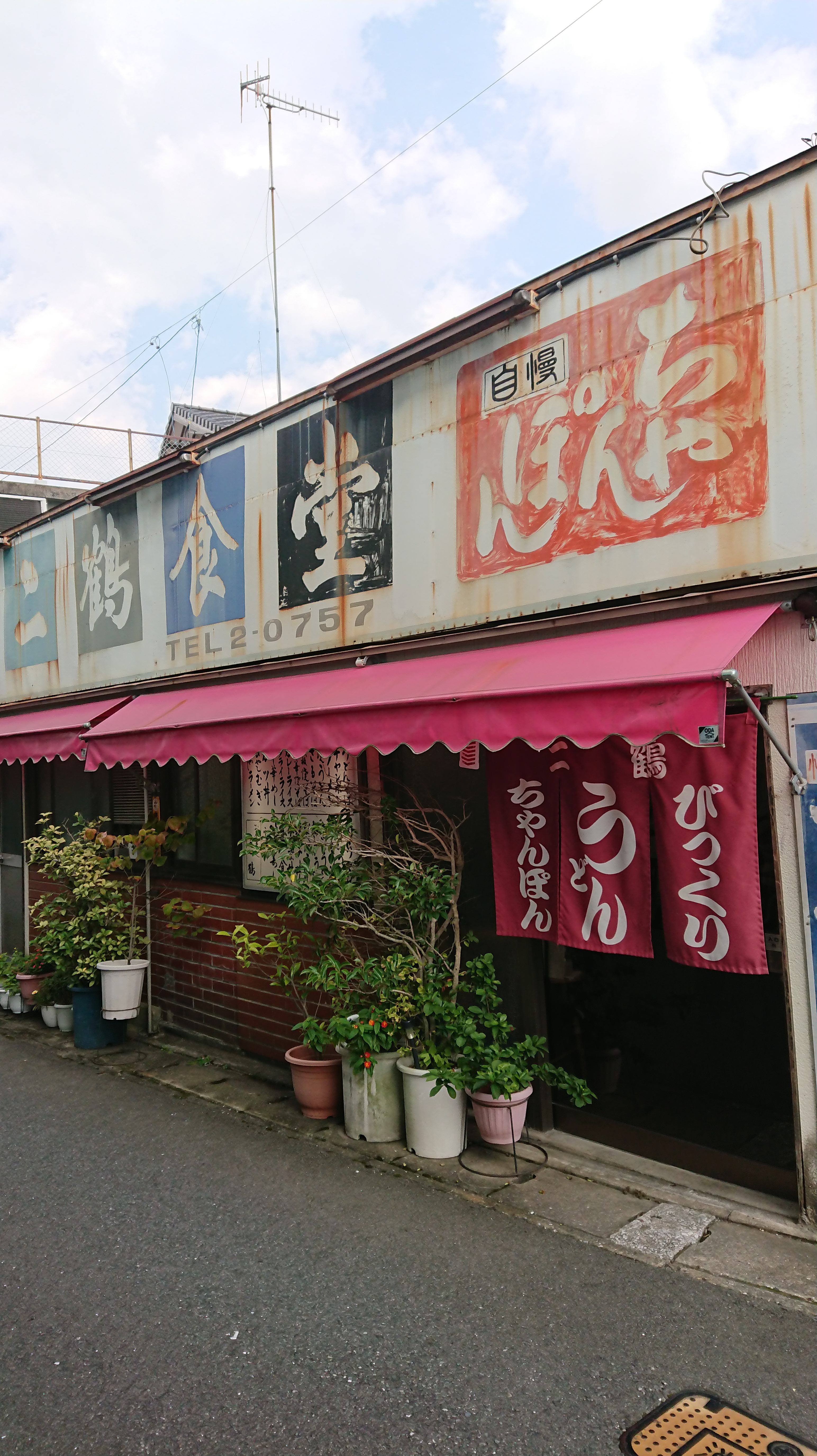
After visiting here, we ate Nagasaki chanpon at a small old diner recommended by Moriyama-san. We then viewed the museum. That night we stayed in Chikugogawa Onsen. (筑後鵜川温泉)

Famous retro diner for noodles in Tagawa City

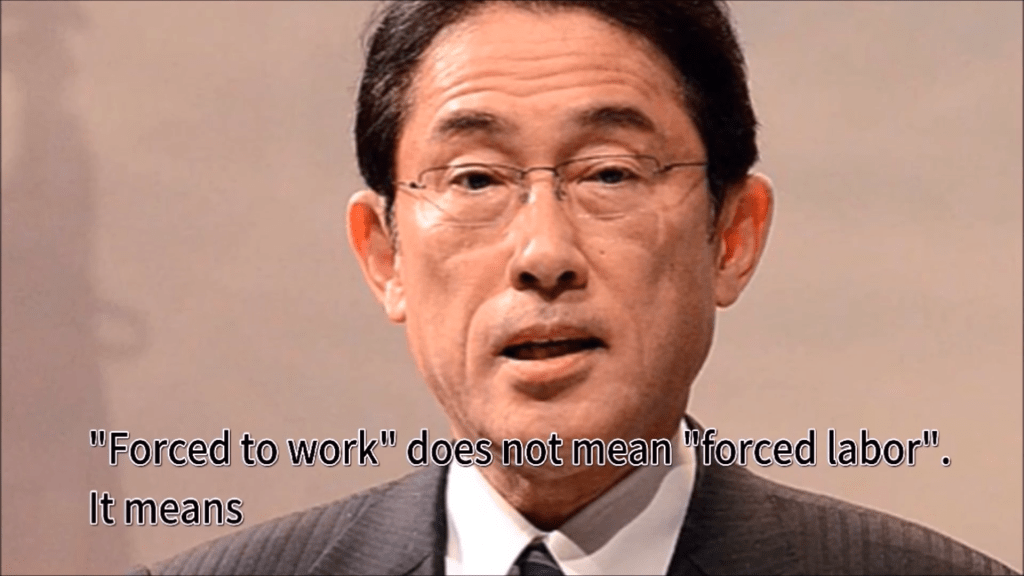
The Japanese admitted that Koreans were brought to Japan and “forced to work” in these mines, an admission which was a condition for several mines to be designated UNESCO World Heritage sites, Both Gunkanjima (Hashima) and Manda Pit received this designation. However, afterwards South Korea demanded that UNESCO take back this designation as Japan had never truly admitted the forced labor or made recompense to the miners or their families. Top government official Kishida Fumio stated that ” Forced to work doesn’t mean “forced labor”, a ridiculous comment if you can understand plain English. 「「明治日本の産業革命」と強制働労」、p.23)

Kishida Fumio (former Secretary of FOreign Affairs, Japan)
Korean miners forced to work on Gunkanjima
Gunkanjima or “Battleship Island” due to the shape (Nagasaki)

The second day, we got lost in the mountains thanks to the directions we got from a very nice but unreliable old man. When we arrived at the Manda Pit (UNESCO site), we were exhausted. It was a hot day and already past lunchtime! We were shown around the ruins by a guide who had worked for the mining company previously. When we asked him about Koreans working there during the war, he said he didn’t know anything. I wasn’t surprised as I had read that, when one visitor asked the same thing, they were told, “We aren’t supposed to answer that .”

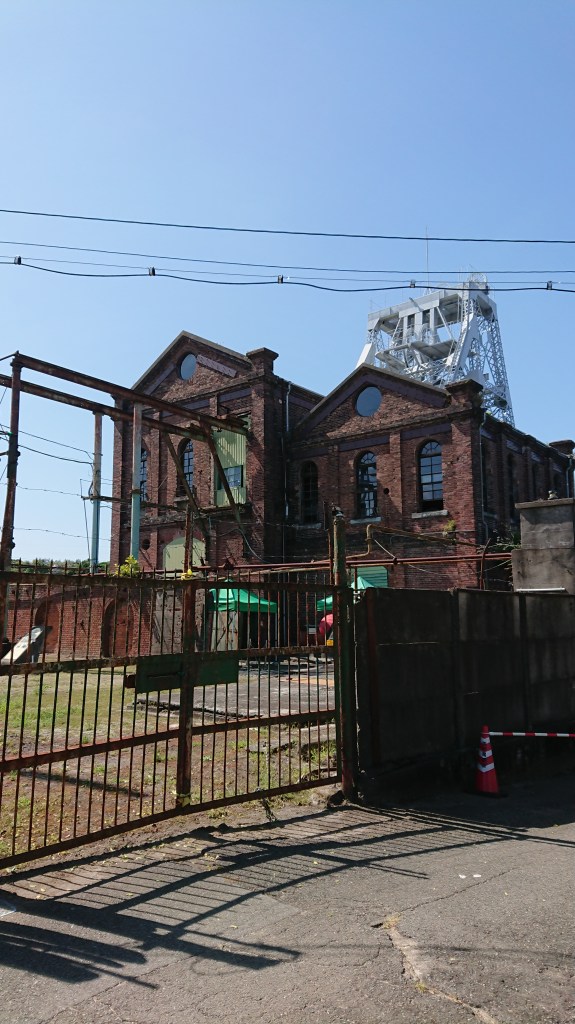
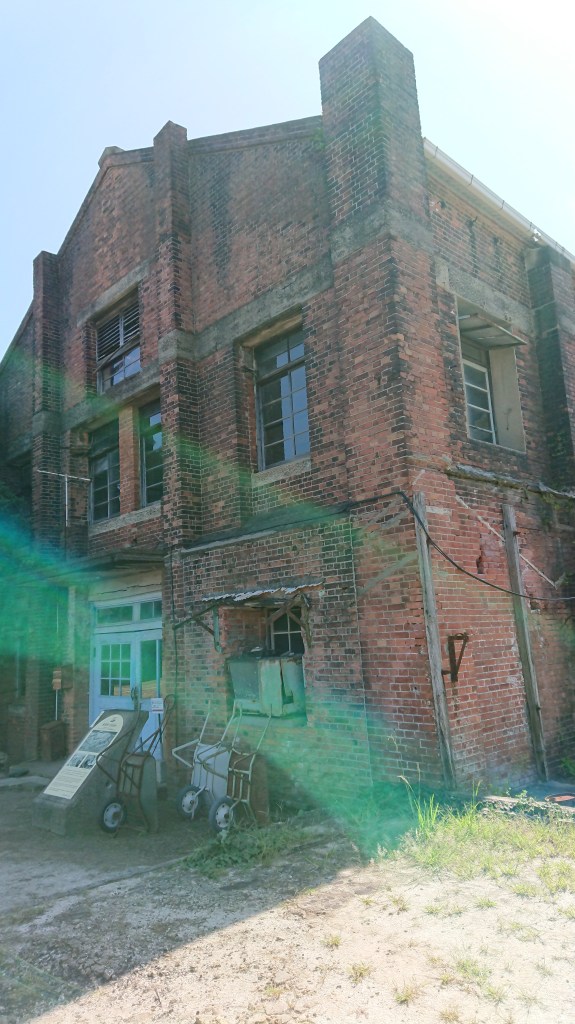
Miike Manda pit Office (Mitsui Corp. Mine in Kumamoto

We took pictures of Manda Pit, a mine run by Mitsui Corp. where many Koreans were forced to work during the war. Unfortunately, we were too tired to see the museum but suspect it was more homage to Japanese industrialization with no mention of exploitation of Korean and Chinese as well as Allied POWs during the war, facts that are inconvenient for the present government of Japan to discuss.

We decided to just get onigiri at 7-11 and go on to Nagasaki, a 3 an a half hour drive from there. I originally booked a hotel (Royal Chester Hotel) there as I had intended to take the tour of Gunkanshima. Heavy rains from typhoon #10 had damaged the island ad caused the collapse of one 7-story building so my tour was cancelled. (Maybe next time, Eri?)

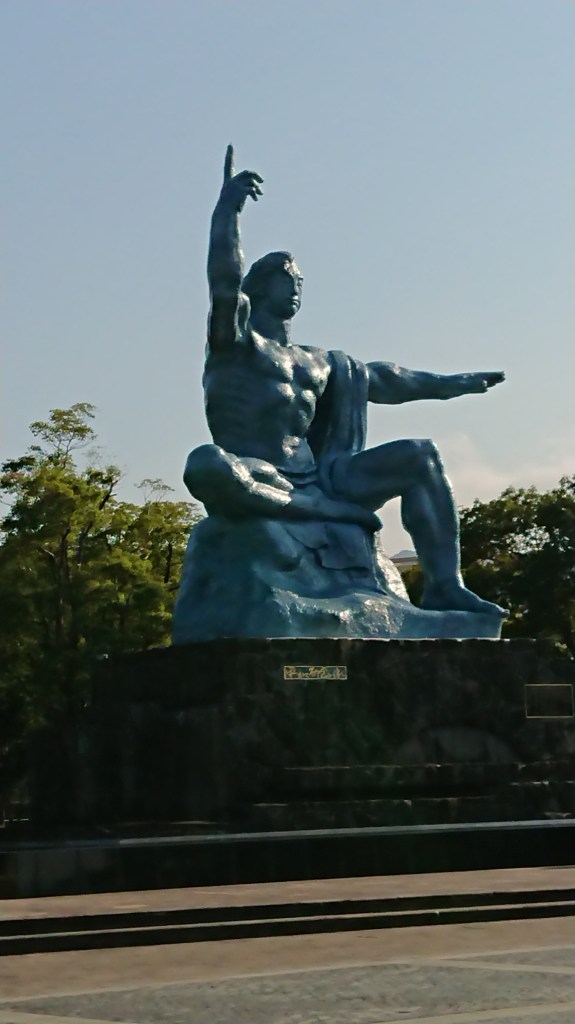
We went to the Peace Museum which is actually quite a distance form Peace Park. It is definitely worth seeing. They did report how that a great number of Koreans working there were killed or severely burned in the Atomic bombing on August 9, 1945. I also read about the doctor who was a hibakusha, Nagai Takashi. He kept writing even when he was wasting away from the effects of the bomb。 I bought one of the many books he wrote, a biographical novel based on the life of his parents, (永井隆 の「村医」)

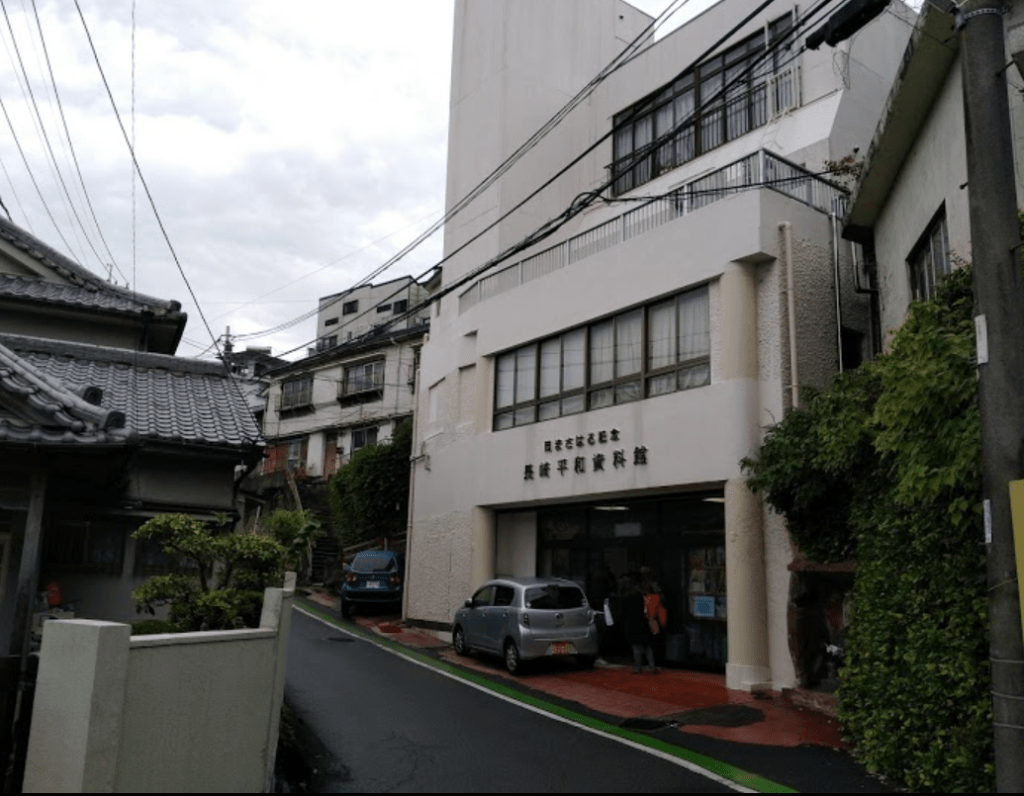
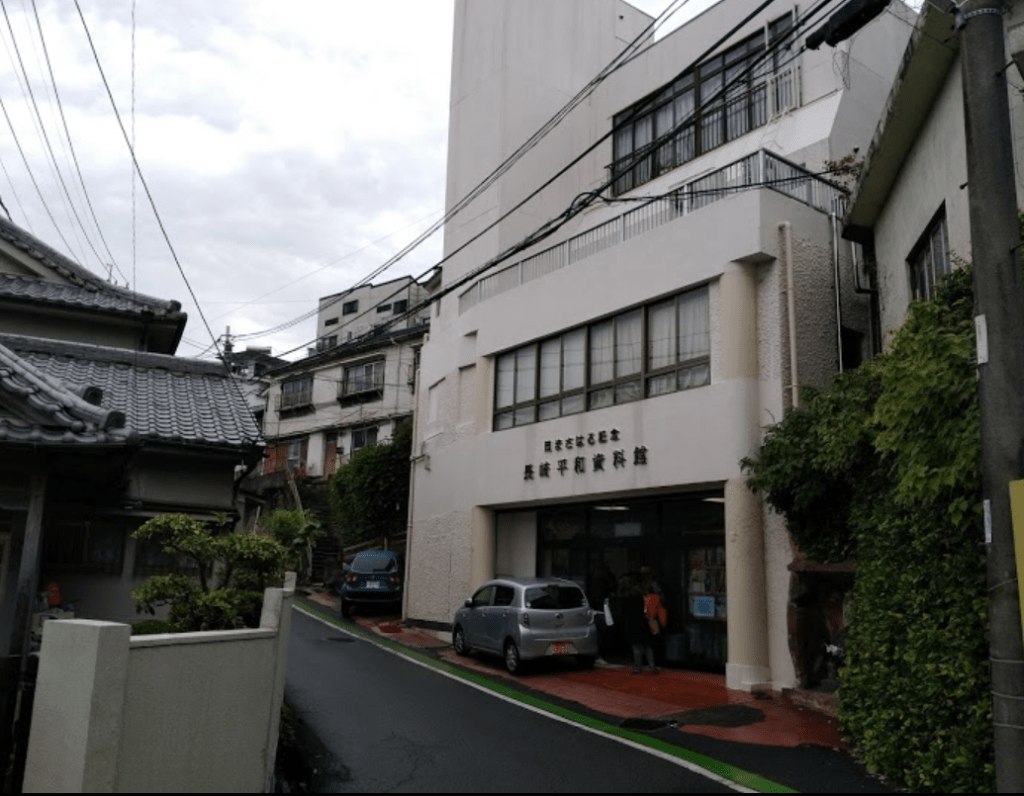
But the place I want to recommend is the Oka Masaharu Heiwa Shiryokan (岡まさはる平和資料館)The address is 長崎市西坂町9−4 It’s open 9:00~17:00、closed Mondays. TEL:095-820-5600

Oka Masaharu Heiwa Shiryokan, Nagasaki
Christian minister and peace activist, the late Oka Masaharu

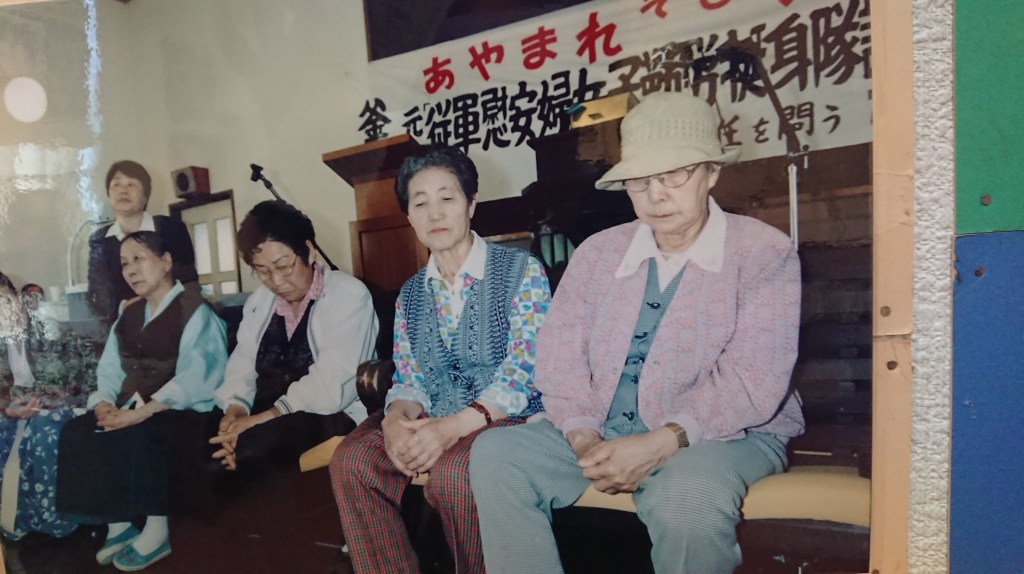
Oka Masaharu was a Lutheran minister who saw how the Korean bomb victims were suffering after the war and was the first to reach out to aid them and to call attention to their plight. He also became a peace activist and worked to preserve the history of forced labor and Japanese aggression in Asia as well as to record the suffering of the young Korean and other girls who were raped, then forced to be army prostitutes for the Japanese army. These girls were referred to as ianfu, literally translating as “comfort women.”

Former sex slaves demand apology! Forced to service the Japanese army as teenagers

At this point in time, when we are tearing down statues all over the Western world, I think we should reflect on the importance of keeping evidence and documentation of “negative history”. Japan has erased the scant lines in textbooks that referred to “comfort women” or forced labor of Koreans and prisoners. They are essentially rewriting history and that is a dangerous thing to do. Although we don’t want to put up statues to revere tyrants, slave-masters and evil men, we need to preserve the record of their deeds with any physical proof or documented testimony.

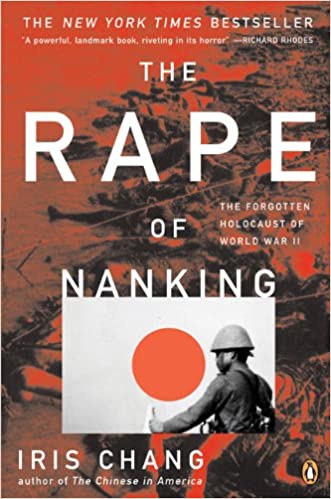
I’m not sure who is doing this, but some people in Japan are working to obliterate the facts, denying the rape of Nanking, forced labor and forced prostitution carried out in their militaristic past. If you can give me clues on the groups doing this, I would be interested. I know that the Apa Hotel chain placed books in each room that deny the Nanking massacre ever happened. so don’t ever stay with this hotel chain.

To know what really happened in Nanking! Read this!

Here is a quote form BBC newsfeed:

A Japanese hotel chain has come under fire for its owner’s claims that a World War Two massacre in the Chinese city of Nanjing did not take place.

BBC.com

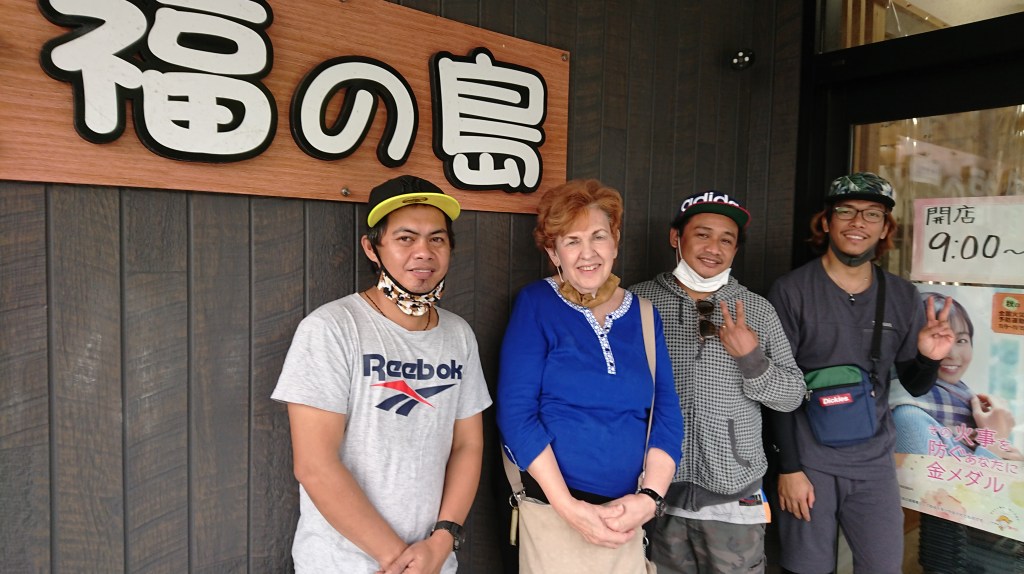
The final night we were on the island of Fukushima which was once home to the Hokusho mine. Unfortunately, we can’t see any of the remains as they are on private property and overgrown in the forest. The highlight of this stay was going to the Morning Fish Market (海の市)It is held on Saturdays form 9:00 but we were told it’s good to go early so we lined up at 8:30. There we met 3 guys from the Philippines who were working at the nearby shipyard on 3-year contracts.

Manolo. me,Danilo and Anthony at Fukushima Fish Market, Nagasaki-ken
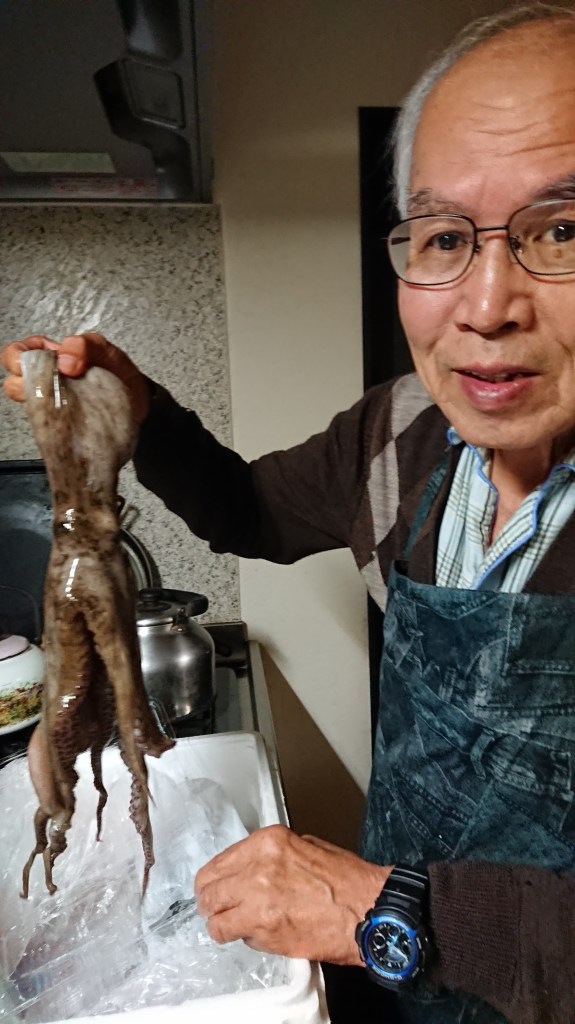
Fresh Octopus from Fukushima, Nagasaki

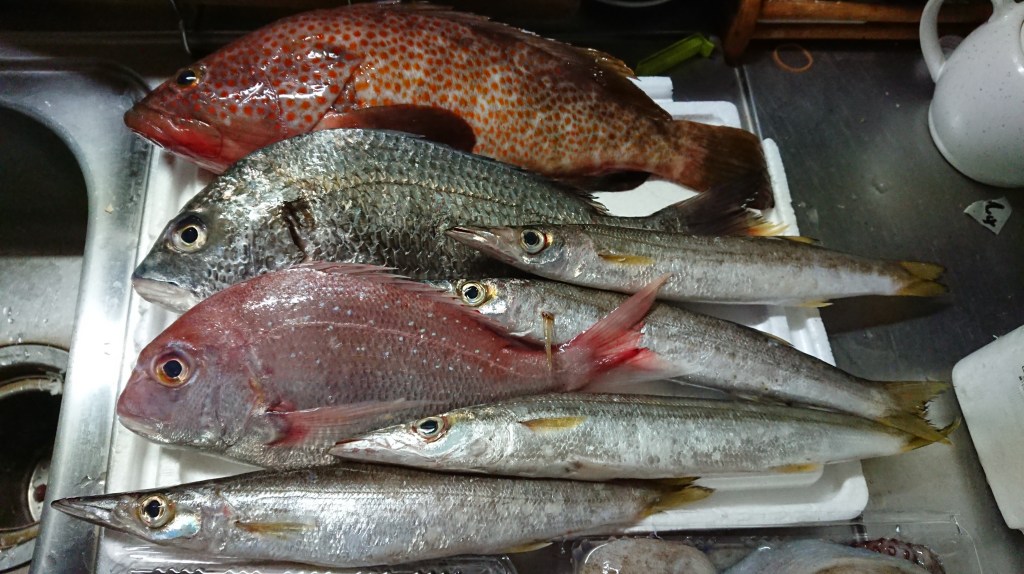
The fish was so fresh and SO CHEAP! Hiroo bought ¥2500 worth. We had prepared an icebox and they gave us free ice so we were able to bring it all home. It took him 2 and 1/2 hours to clean and freeze it all that night!

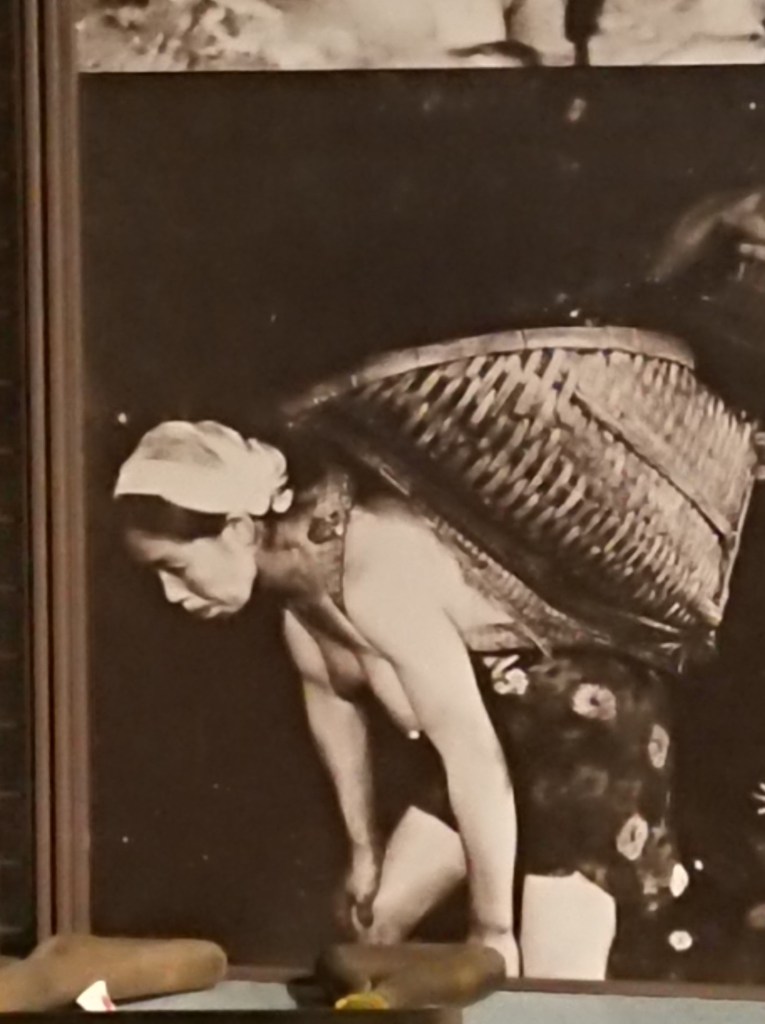
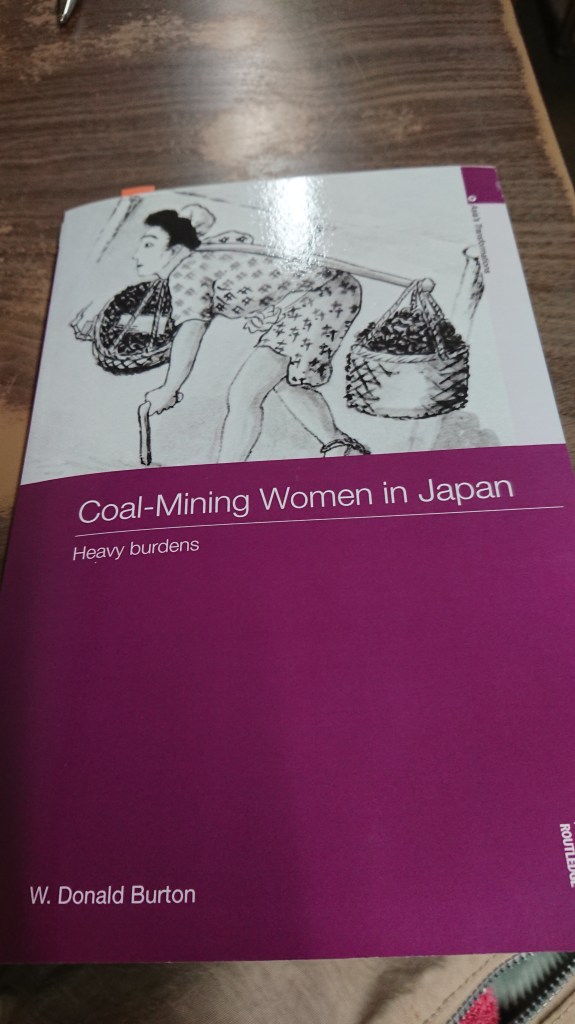
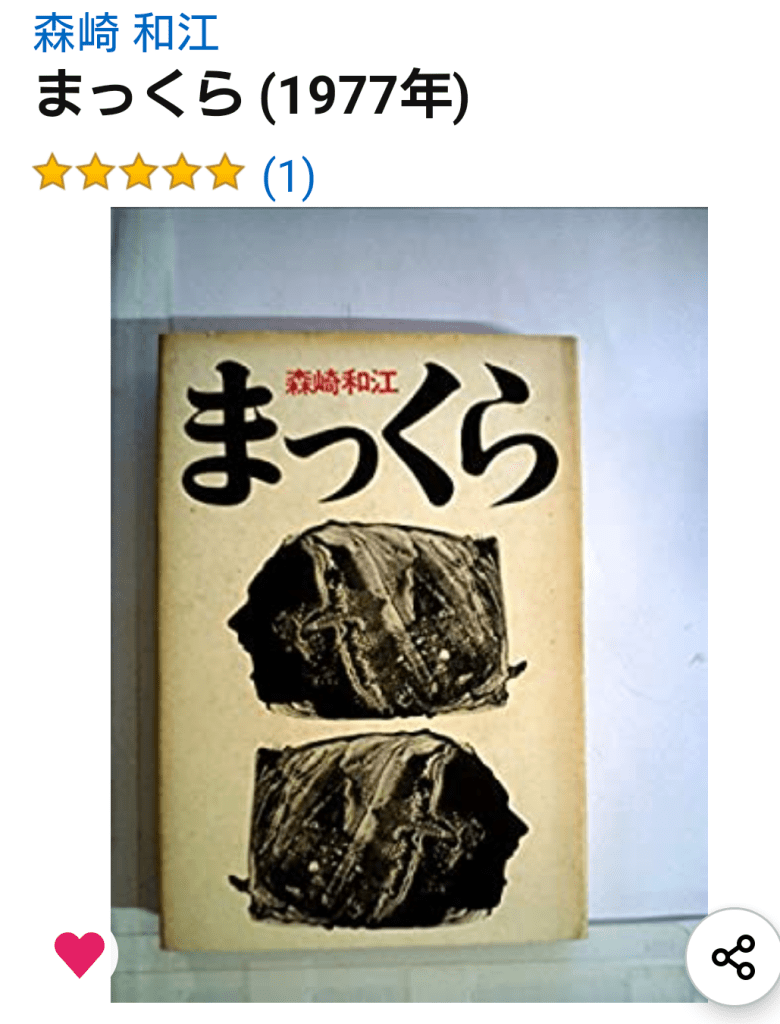
I have found several more books I need to read. Moriyama-san showed me a book in English about women who worked in the mines. Paperback was published in 2017, but is already rare enough to cost $55 on Amazon! Most of what Burdon wrote about he gleaned from the work of Morizaki Kazue, (森崎和江)a woman who spent years interviewing and interacting with the mining women. I want to read “Makkura”.

Morizaki’s book, Makkura

Last stop : lunch at Horoki in Moji!

You can even order 林芙美子ライス!

I will probably have more to say on the subject of the mines or forced labor but I’ll sign off for now. It was hard to get used to the new formatting on this blog, but I did my best. Hope to hear back from any of you soon!