
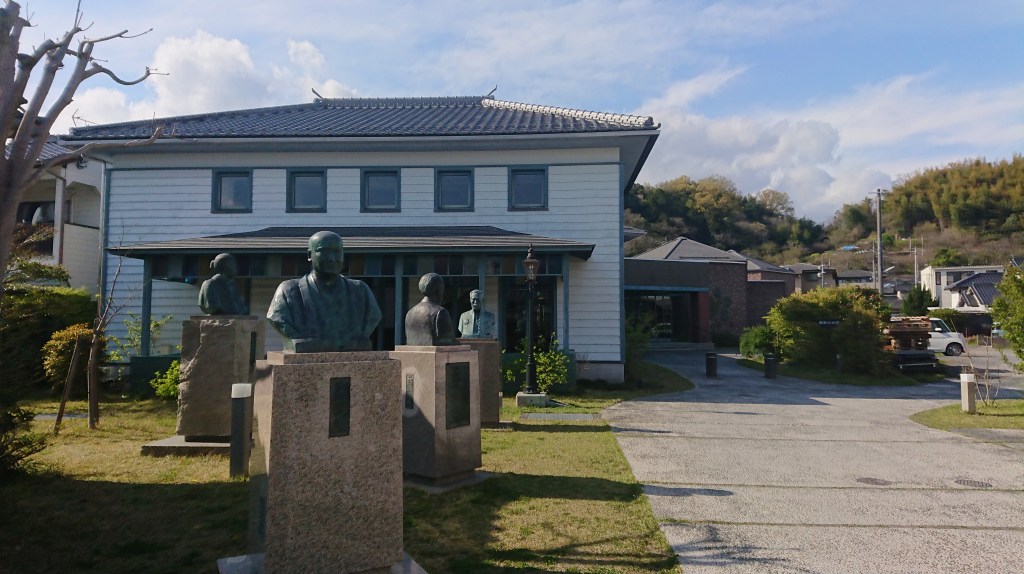
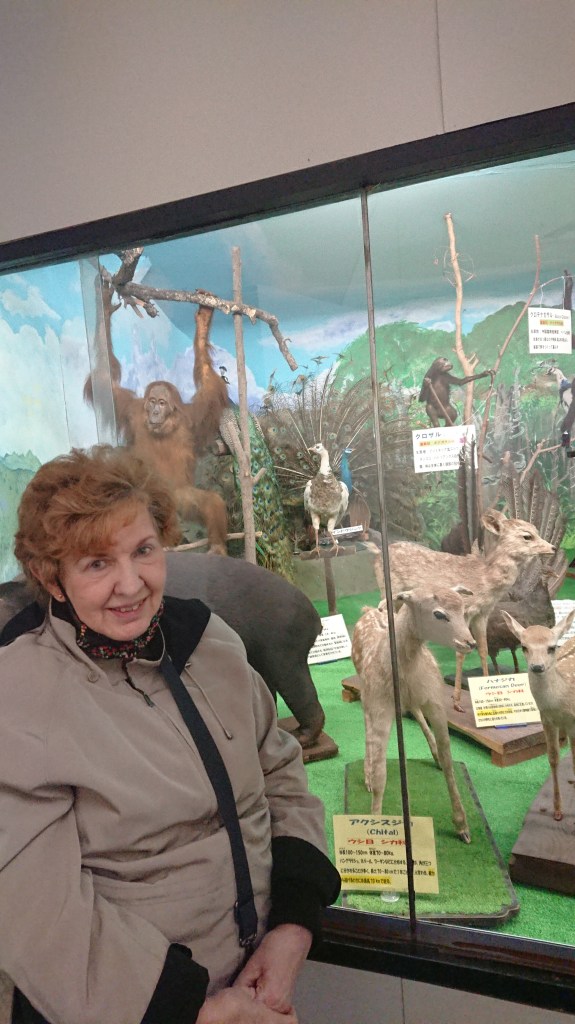
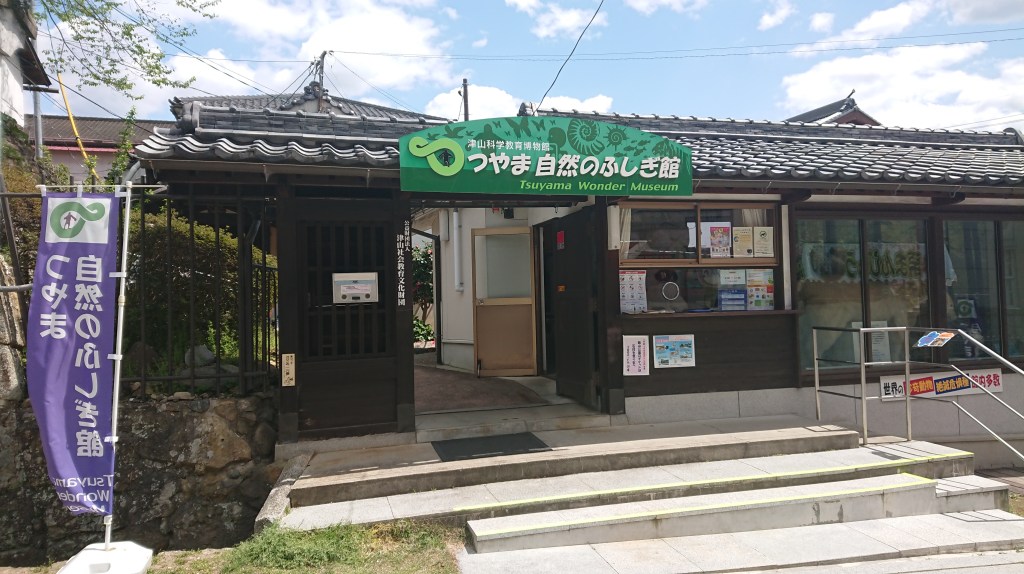
Just before the third wave of the pandemic, we snuck off to a rare spot in Okayama to see two museums in the sleepy little town on Tsuyama. Located in the north of Okayama city along the Chugoku Jukanro expressway, Tsuyama was a castle town ruled by Mori Masatada at the start of the Edo period. The original castle no longer stands, but there is a park and many cherry trees there. Next to the park stands the Tsuyama Fushigi Science Museum, (or Tsuyama Wonder Museum 津山自然のふしぎ館), an amazing collection of birds, animals and insects as well as a roomful of seashells. These animals are stuffed specimens from all over the world.
The story of the museum itself is exciting as it was built by one man who sold off his family business to create the museum as he wanted to show people how amazing God’s world is. Morimoto Keizo was a Christian and a member of Uchimura Kanzo‘s Mukyokai group ( 無教会派 ). Opened in 1963 in a former school building, this natural science museum houses over 22,000 specimens. The building has aged and the floors slant in places. There are no elevators so you have to climb the stairs.
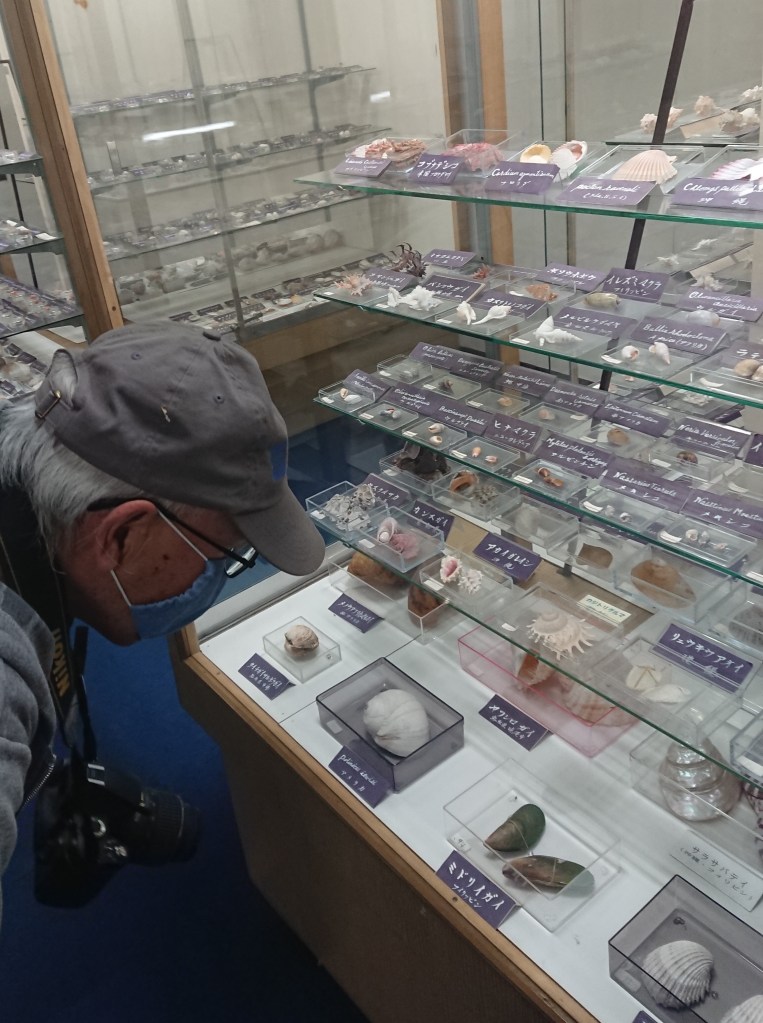
This was my second visit but Hiroo had never been there so he enjoyed it thoroughly and spent about an hour looking at the seashells. I was amazed at the size of the “elephant walrus.” I definitely recommend a visit here especailly if you have children who are interested in butterflies, insects and animals.
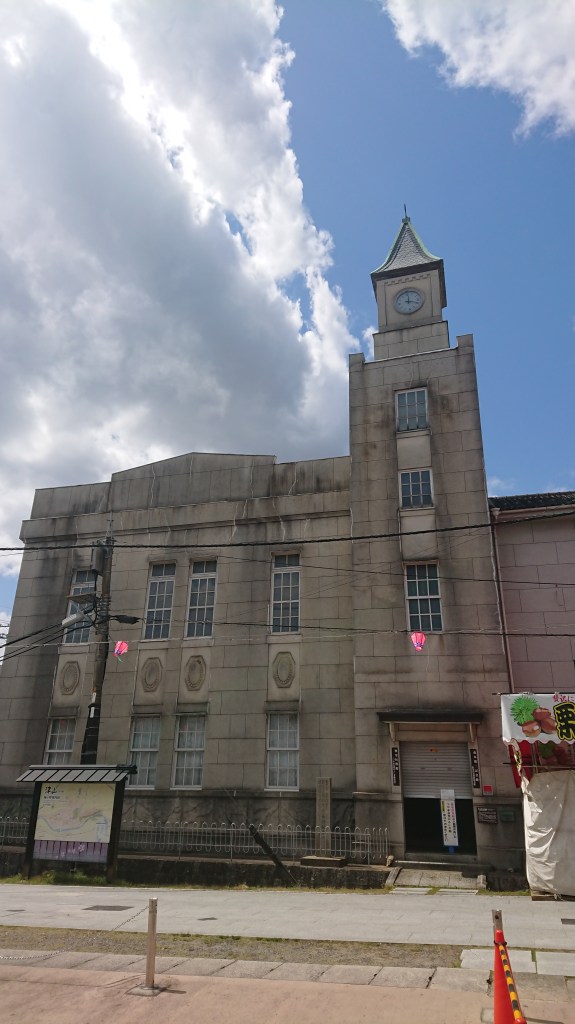
Across the way there is a History Museum which includes much information about Morimoto and “non-
church” Christians. This was originally the Kirisutokyo Toshokan”(Christian Library) and meeting hall. (See above)
After having a brief lunch, we drove to the Tsuyama Archives of Western Learning.
The building was very new but, in this case, no photos allowed inside. I had never known that when Japan was closed to foreigners for 230 years, that it was a group of young scholars from Okayama that got together to learn Dutch ( we only traded with the Dutch and the Chinese during the period of isolation) and that this group of young men from Okayama created the first Dutch-Japanese dictionary.
Dutch learning or “Rangaku” was developed in order to learn about advanced science in the West. Sugita Genpaku ( 1733-1817) received a book on anatomy from the Netherlands and was amazed at the detailed information there. Determined to translate it, he gathered this group to study it.
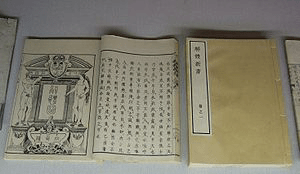
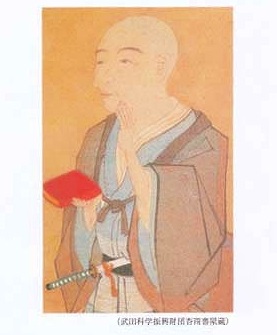
Following in his footsteps, Utagawa Genzui, a doctor in Tsuyama domain, translated and published other medical books, becoming the first to introduce Western medicine to Japan. His adopted son, Utagawa Genshin, went on to publish books on medicine and pharmaceutical topics, increasing the knowledge of Western medicine in Japan.
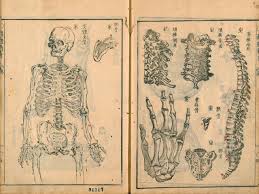
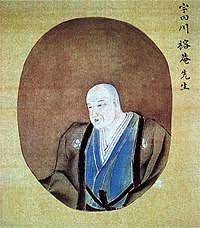
Utagawa Yoan
I was most fascinated by the adopted son of Genshin, Utagawa Yoan, also a doctor. He wrote the first book on botany in Japan. He also wrote a book on Chemistry and then had to invent new “kanji” or characters to express ideas or words not yet known in Japan. For instance, he made the words for cell ( saibou, 細胞) oxygen (sansou, 酸素), and even for coffee (珈琲)
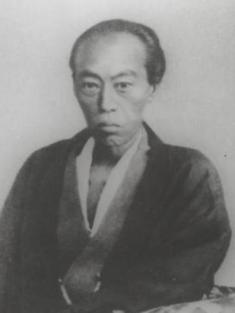
Mitsukuri Genpo
Mitsukuri Genpo was born and raised in Tsuyama. He supported the negotiations between Japan and America by translating the letter from the President of the United States, presented to the government by Commodore Perry and also was present when a Russian delegation came to Nagasaki.
Genpo’s several adopted sons also contributed to Western learning in Japan and studied in Europe or America. They contributed to the knowledge of botany, zoology, medicine, and Western history .
I definitely recommend you visit this very unique museum which not many people know about.
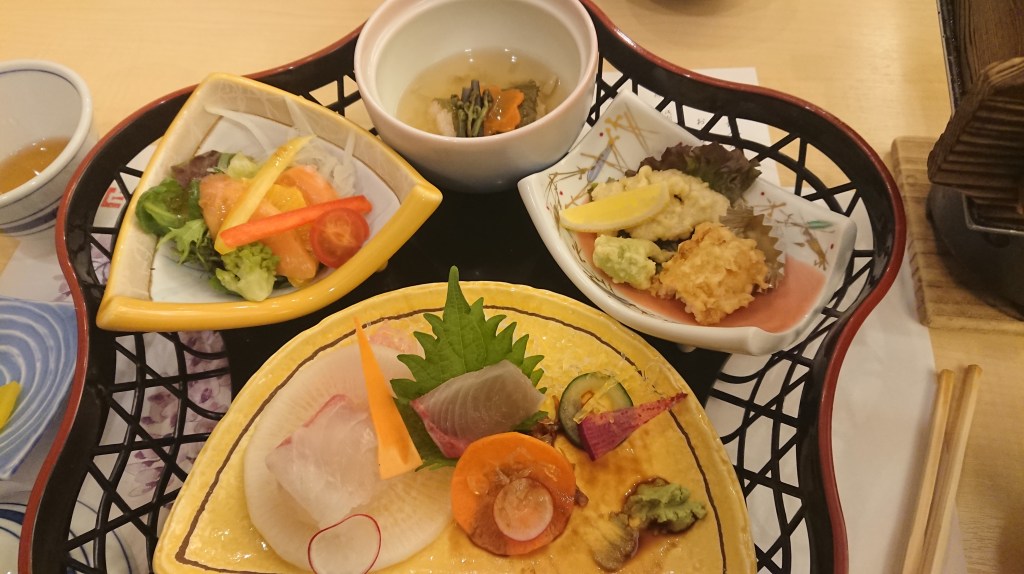
We traveled south to the Kibiji Onsen (Hot Springs) where we stayed and enjoyed a nice dinner. The buffet style breakfast was quite bountiful and tasty. It is only a short drive from there to the famous Kibitsu Shrine (吉備津神社)This is a truly beautiful shrine with an amazing long sloping hallway.
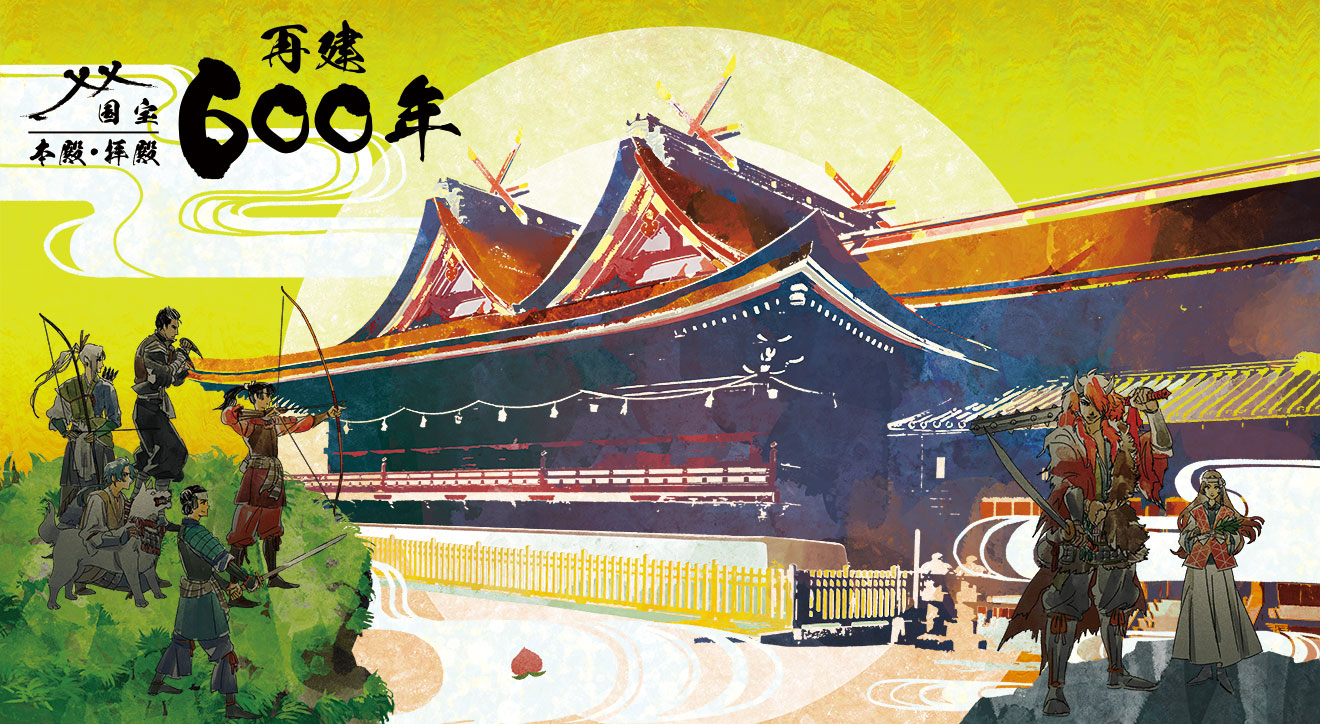
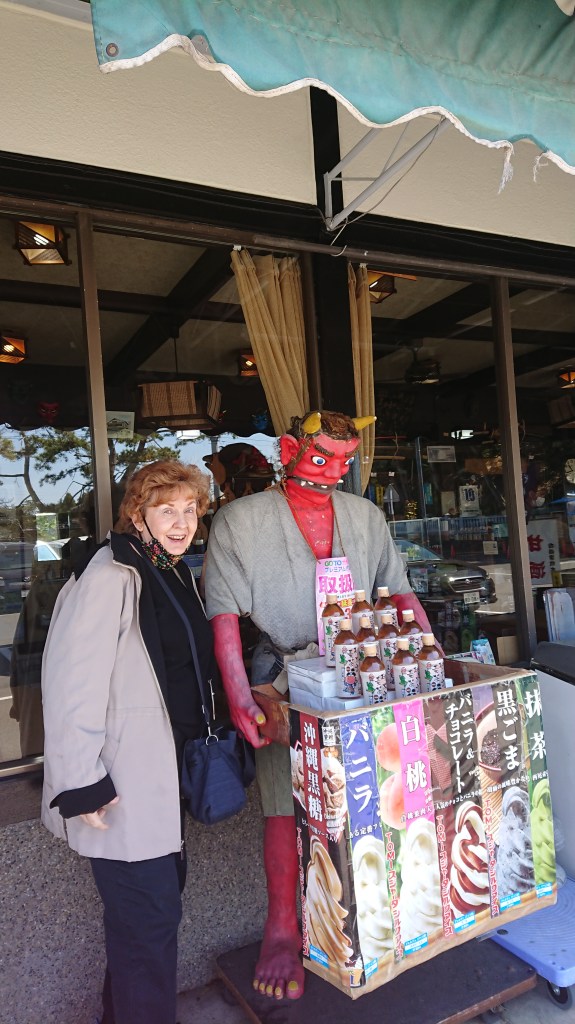
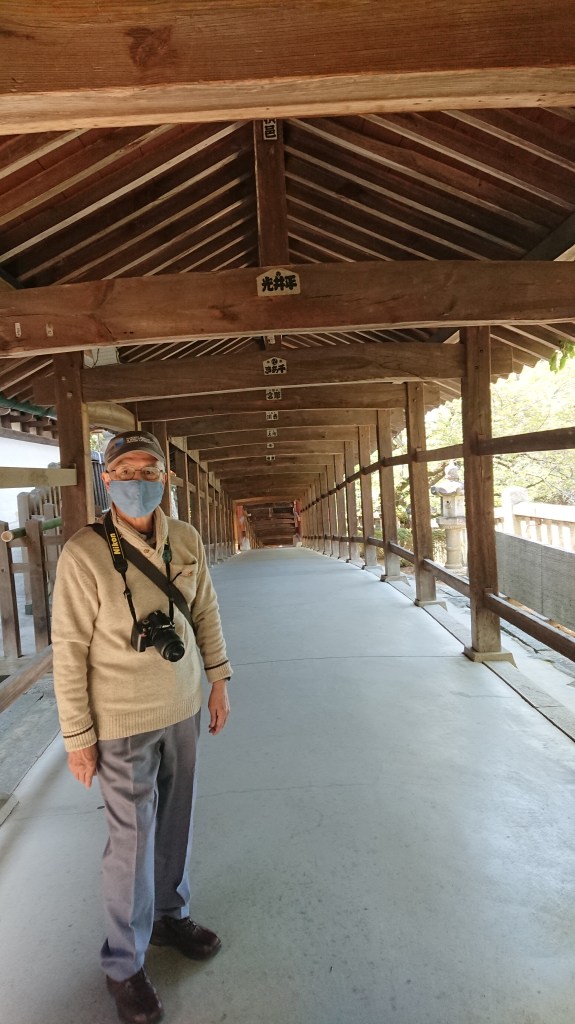
Kibitsu Shrine 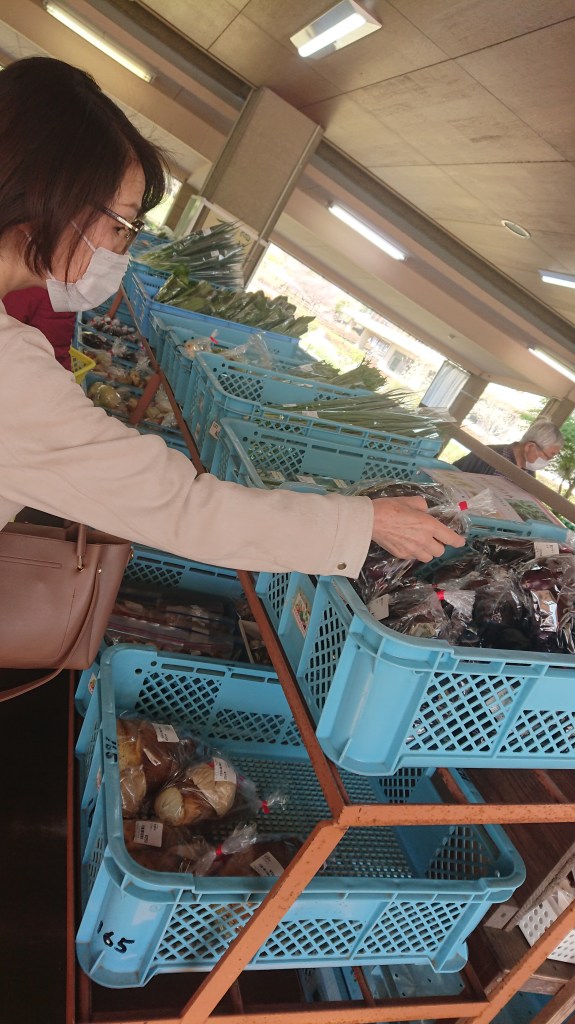
Farmer’s Market at Hotel 
Okayama Bungakukan
If you visit Okayama, I highly recommend Tsuyama. Along with Katsuyama, it is one of my favorite areas.
 Baba's Kitchen