
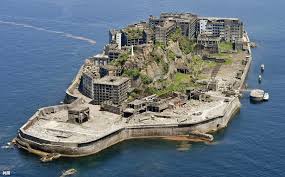
The Industrial Revolution in Japan started after the Meiji Restoration and the Chikuho Mines were opened in the 1890s. We planned to visit 3 mines in Kyushu: Chikuho Tanden (筑豊炭田)in Tagawa, Fukuoka prefecture, Miike Manda Pit (三池万田炭鉱)in Arao, Kumamoto prefecture and Hashima (also called Gunkanshima) (軍艦島)in Nagasaki.
I became interested in visiting these areas after reading a report written by Makise Akiko about her trip to see the Mine Museum in Tagawa. She recommended several books and I read one by a man named Ueno Eishin (「追われゆく坑夫たち」上野英信)He dropped out of prestigious Kyoto University to go and work in the Chikuho Mine for ten years. He interviewed many miners and wrote documentaries of life in the mines. My husband was so appalled by the brutality that he couldn’t finish reading it.
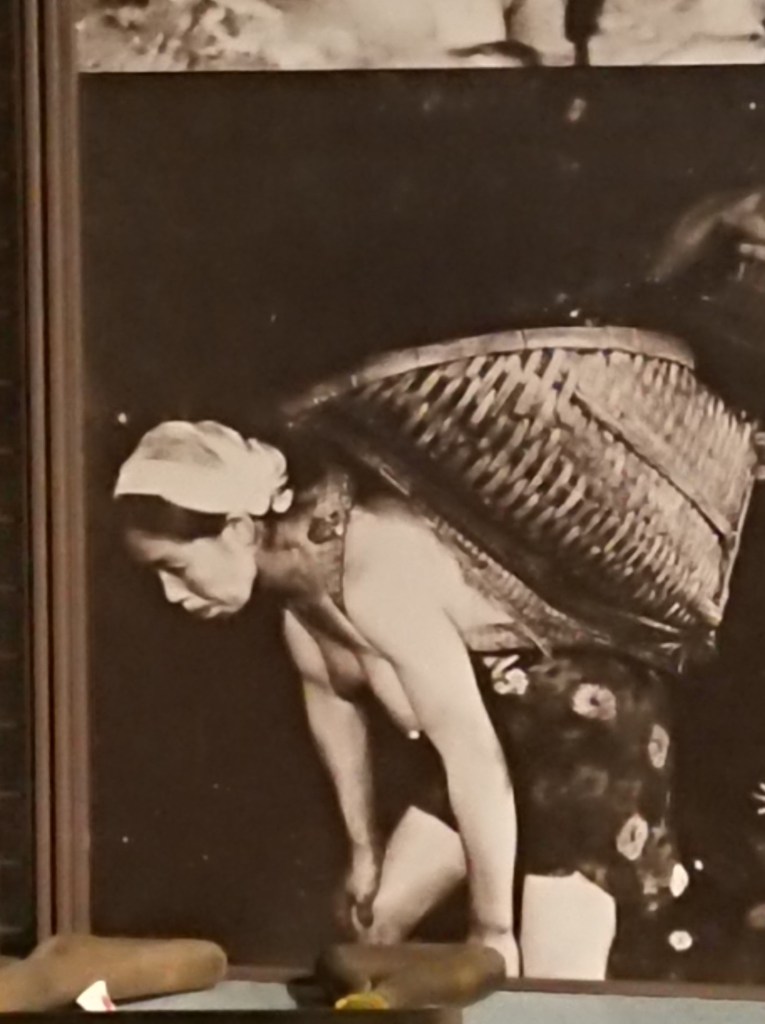
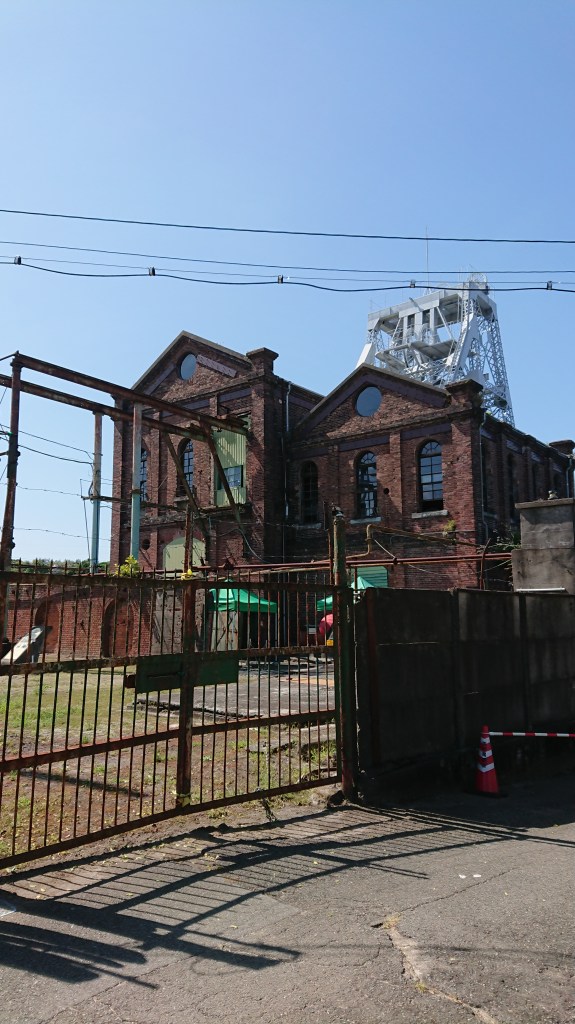
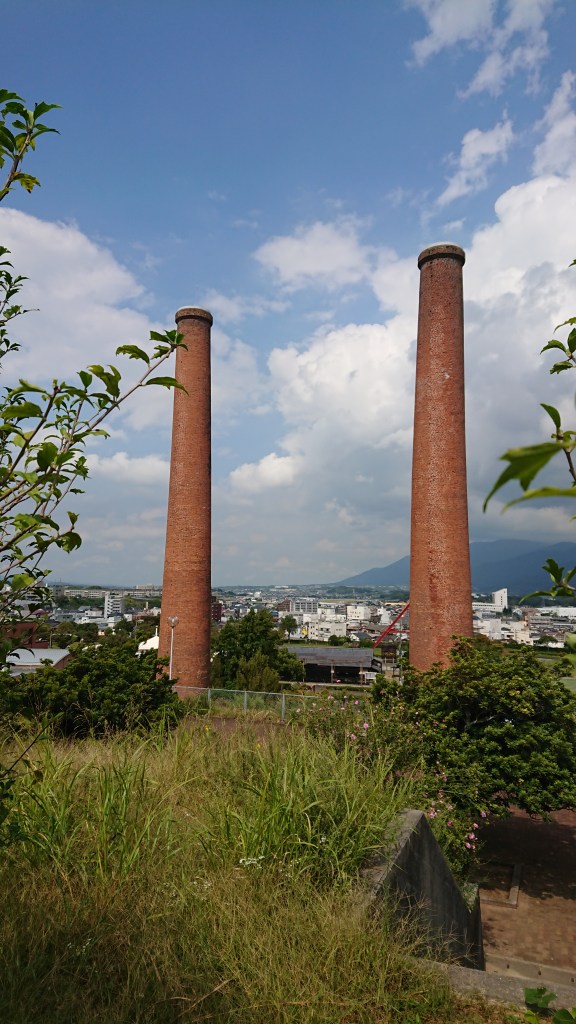
I became aware that many Koreans were used as forced labor in the mines, given the most dangerous areas to dig in and “lynched” or tortured for the slightest infraction. The torture often led to death. Even Japanese workers were barely paid, barely fed and forced to work 15 hour shifts under the ground in temperatures over 40 degrees (104 F).

Yamamoto Sakubei went to work in the mine with his father and brother when he was 7 years old. When he was 61, he began to draw pictures of life in the mine so his grandchildren would know what it had been like. These drawings are now a UNESCO World Heritage “memory” and can be seen on the second-floor gallery at the Tagawa Mining Museum in Tagawa, Fukuoka.
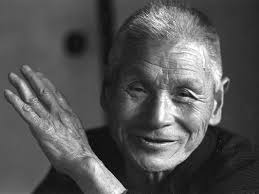
We met the curator of the museum, Moriyama Senichi, who is very knowledgeable about the mines and human rights. He took us to see the monument to Koreans who died in the mines located on the grounds of Hokoji Temple. (法光寺)Japan had invaded Korea and made it into a Japanese colony in 1910, taking over land and businesses and forcing the people to speak Japanese.
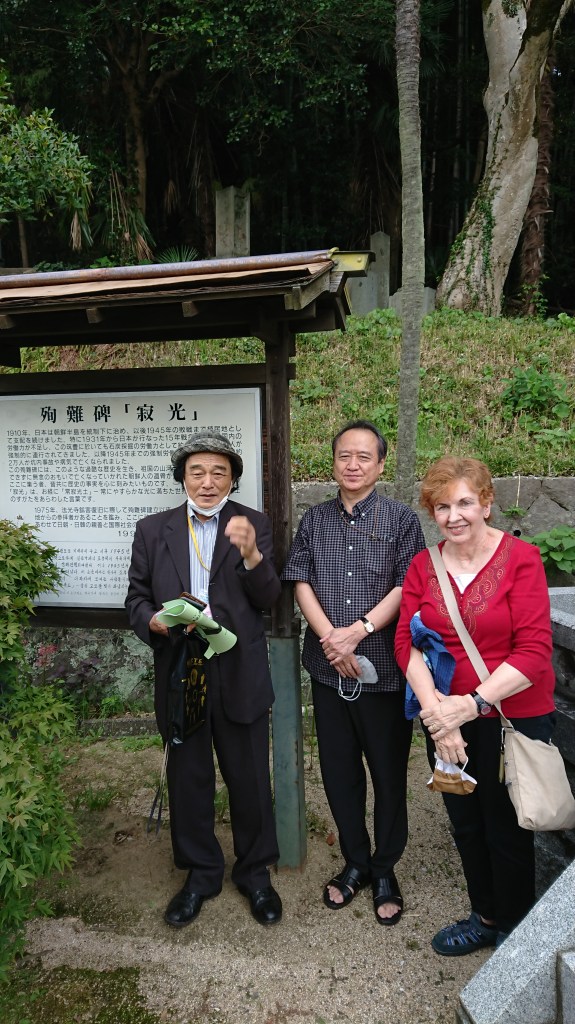
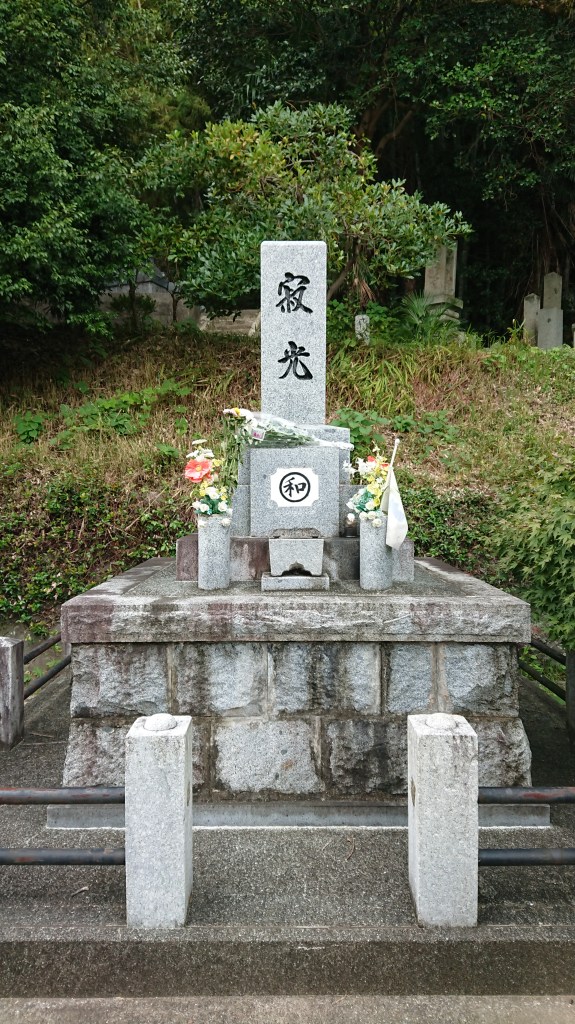
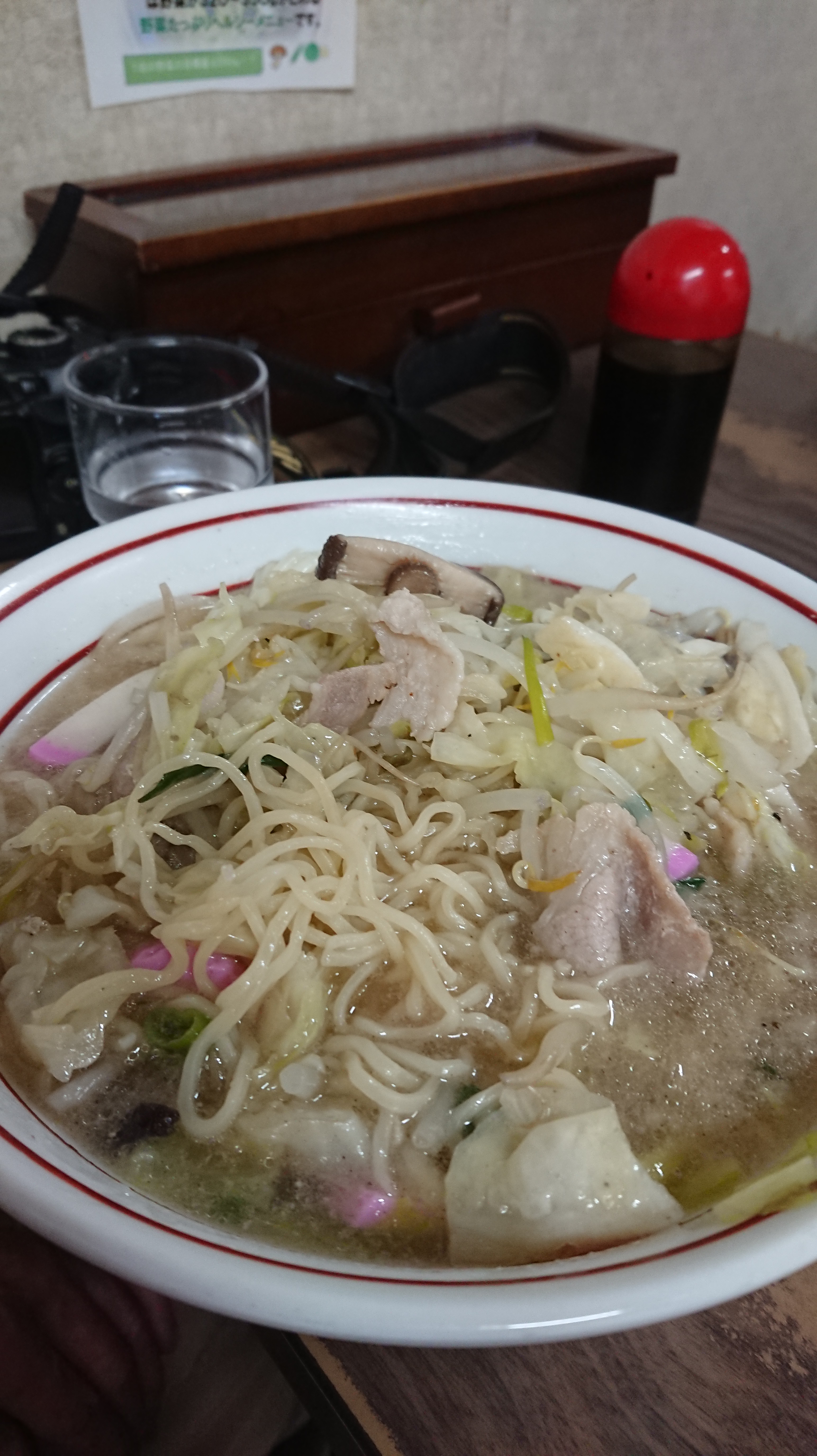
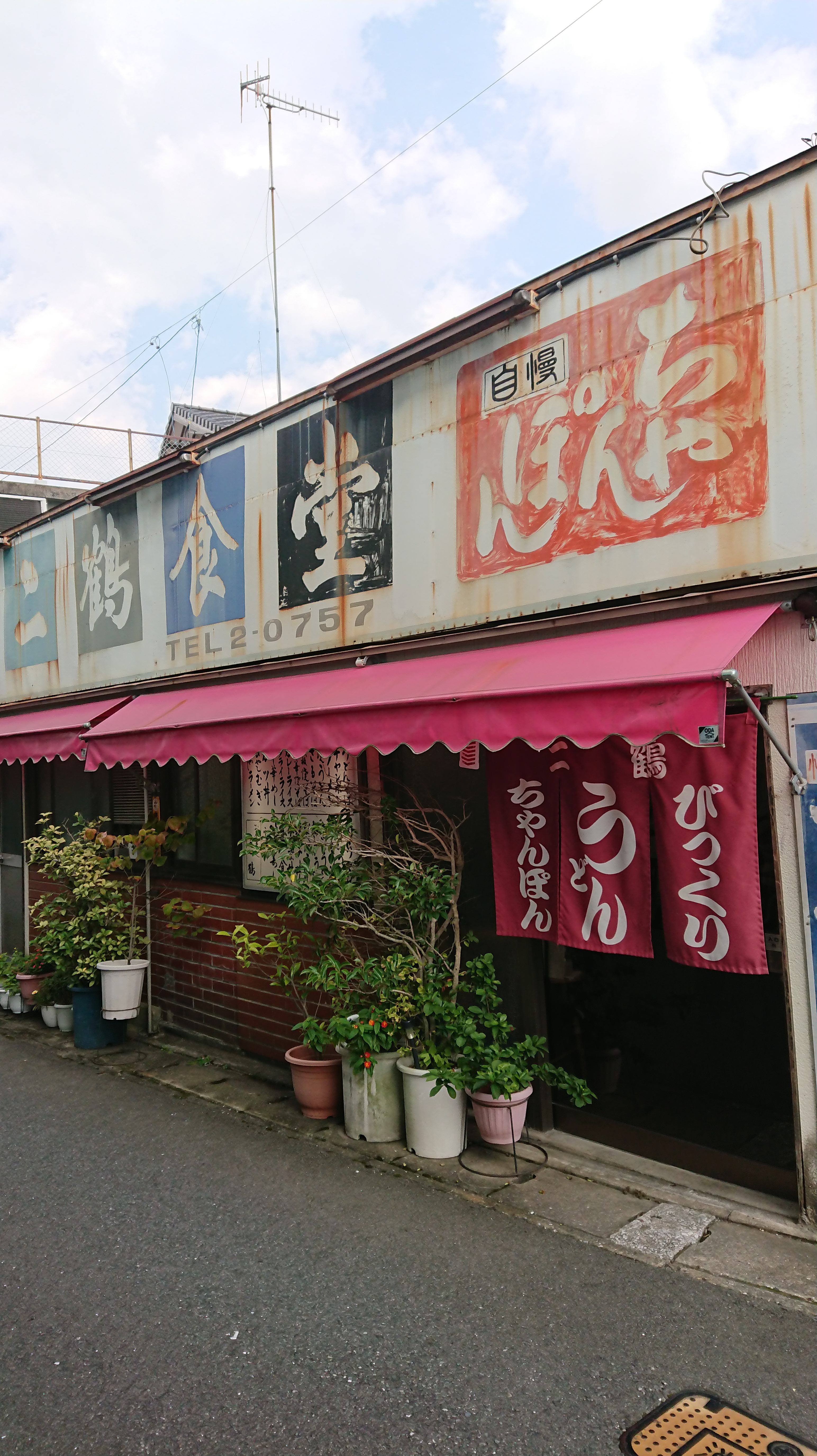
After visiting here, we ate Nagasaki chanpon at a small old diner recommended by Moriyama-san. We then viewed the museum. That night we stayed in Chikugogawa Onsen. (筑後鵜川温泉)
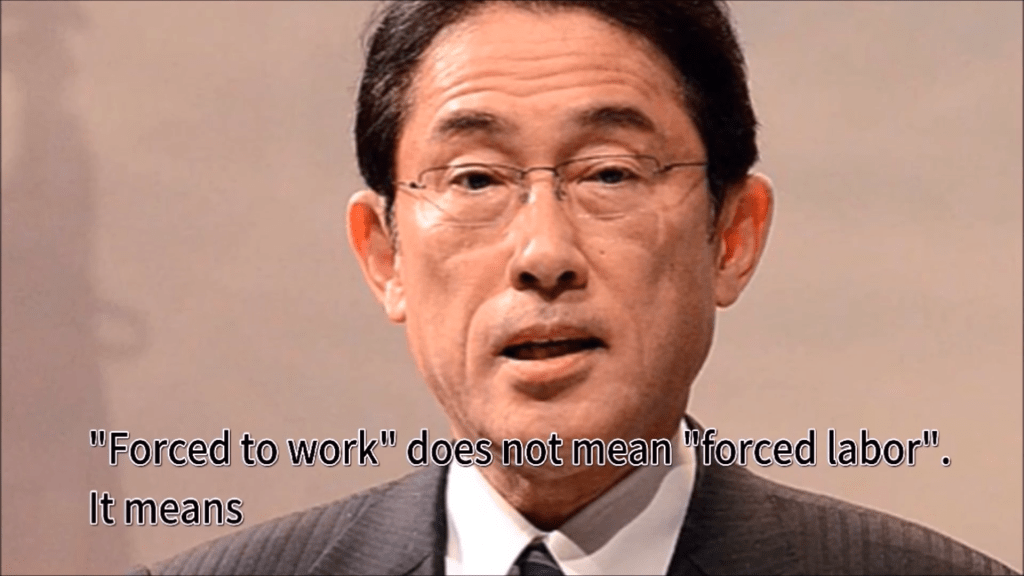
The Japanese admitted that Koreans were brought to Japan and “forced to work” in these mines, an admission which was a condition for several mines to be designated UNESCO World Heritage sites, Both Gunkanjima (Hashima) and Manda Pit received this designation. However, afterwards South Korea demanded that UNESCO take back this designation as Japan had never truly admitted the forced labor or made recompense to the miners or their families. Top government official Kishida Fumio stated that ” Forced to work doesn’t mean “forced labor”, a ridiculous comment if you can understand plain English. 「「明治日本の産業革命」と強制働労」、p.23)
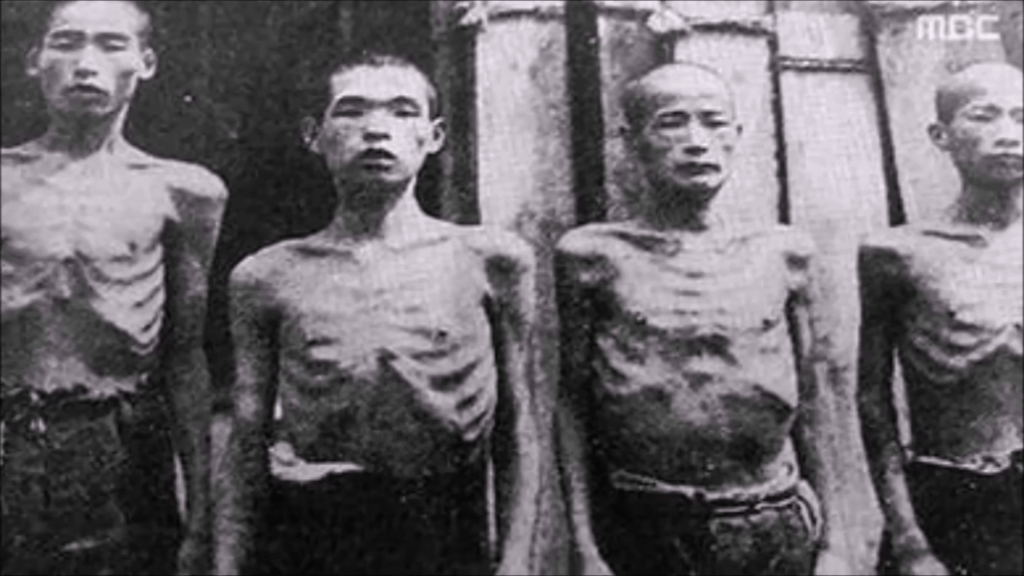
The second day, we got lost in the mountains thanks to the directions we got from a very nice but unreliable old man. When we arrived at the Manda Pit (UNESCO site), we were exhausted. It was a hot day and already past lunchtime! We were shown around the ruins by a guide who had worked for the mining company previously. When we asked him about Koreans working there during the war, he said he didn’t know anything. I wasn’t surprised as I had read that, when one visitor asked the same thing, they were told, “We aren’t supposed to answer that .”
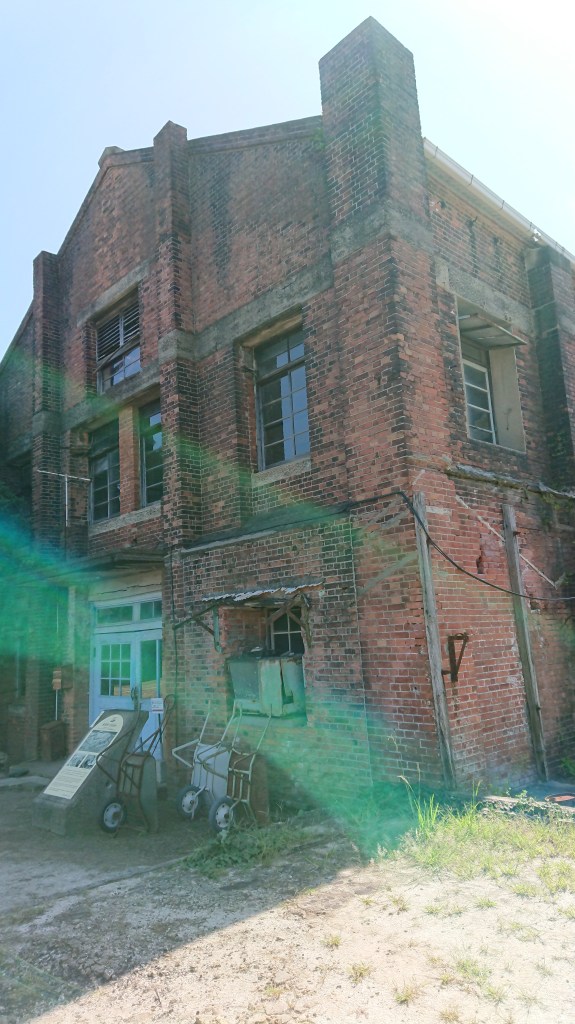
We took pictures of Manda Pit, a mine run by Mitsui Corp. where many Koreans were forced to work during the war. Unfortunately, we were too tired to see the museum but suspect it was more homage to Japanese industrialization with no mention of exploitation of Korean and Chinese as well as Allied POWs during the war, facts that are inconvenient for the present government of Japan to discuss.
We decided to just get onigiri at 7-11 and go on to Nagasaki, a 3 an a half hour drive from there. I originally booked a hotel (Royal Chester Hotel) there as I had intended to take the tour of Gunkanshima. Heavy rains from typhoon #10 had damaged the island ad caused the collapse of one 7-story building so my tour was cancelled. (Maybe next time, Eri?)
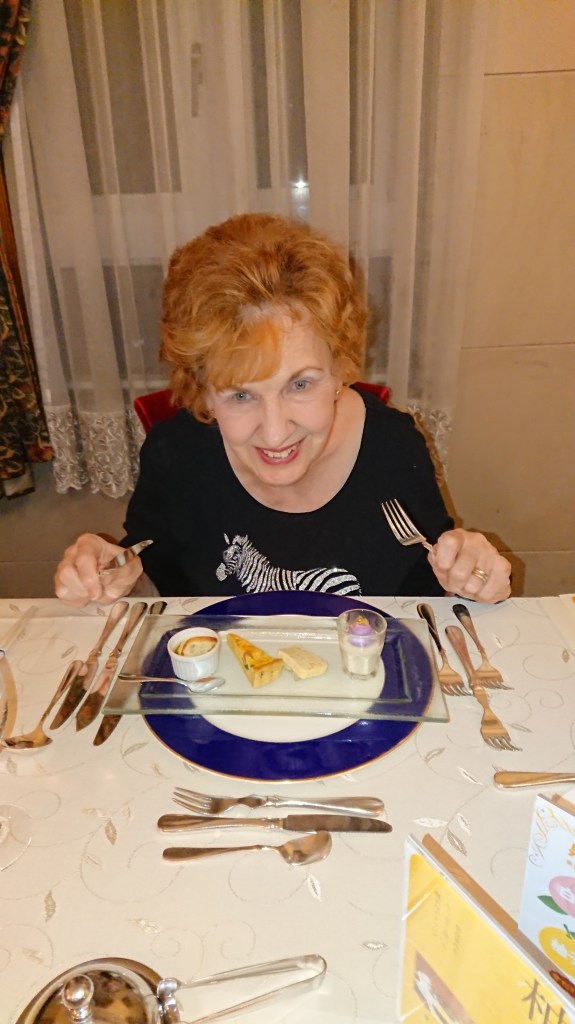
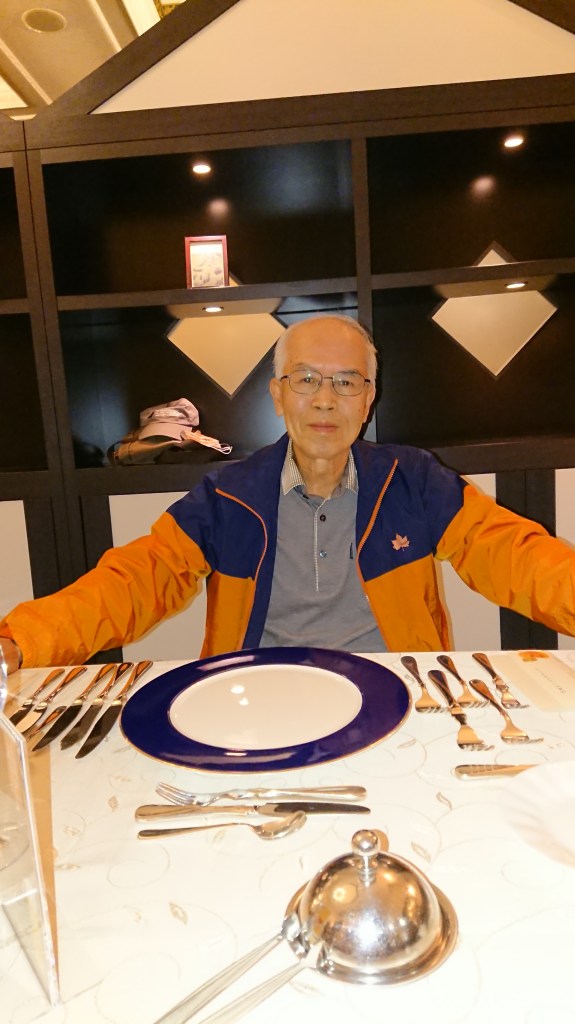
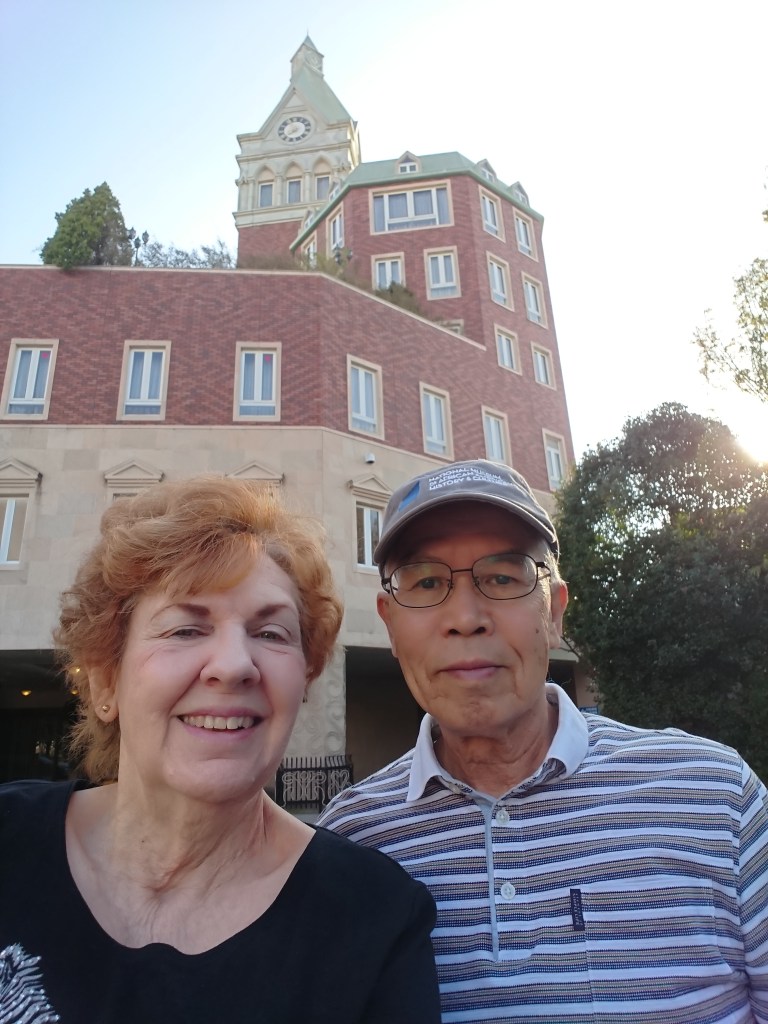
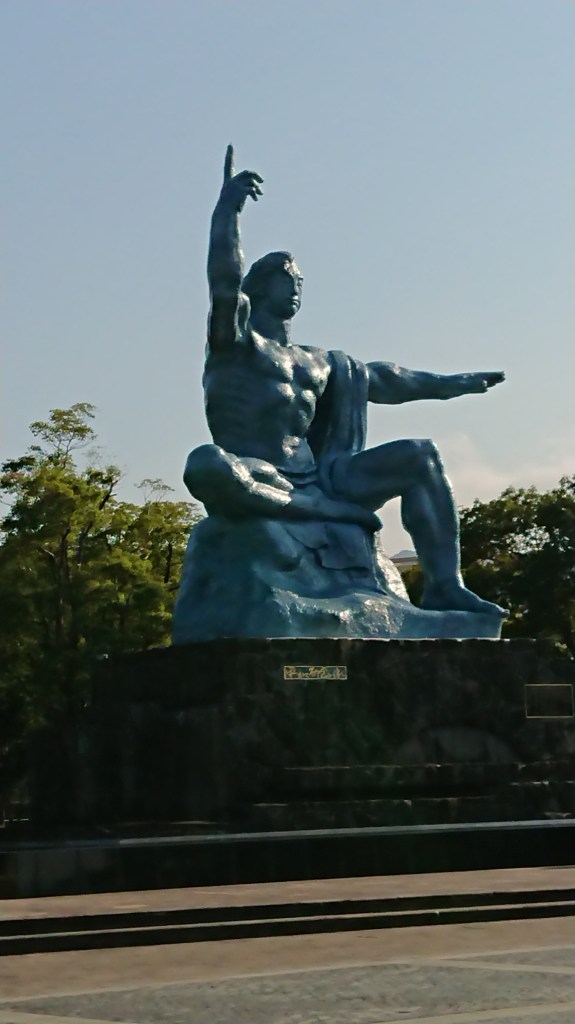
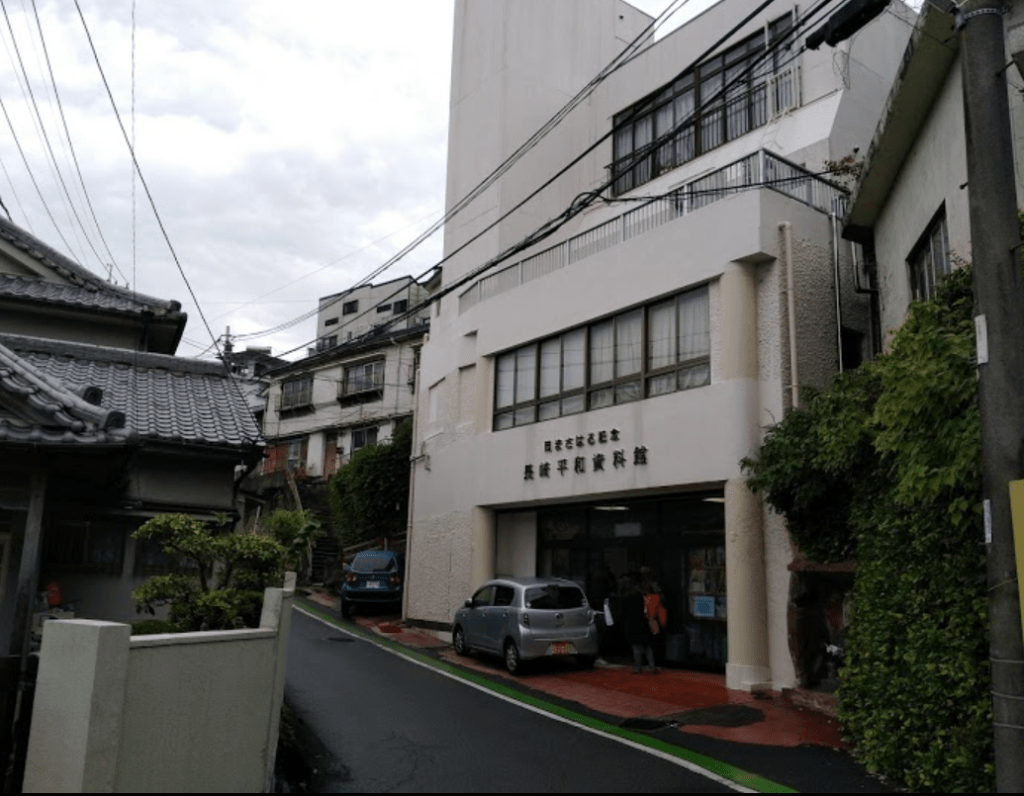
We went to the Peace Museum which is actually quite a distance form Peace Park. It is definitely worth seeing. They did report how that a great number of Koreans working there were killed or severely burned in the Atomic bombing on August 9, 1945. I also read about the doctor who was a hibakusha, Nagai Takashi. He kept writing even when he was wasting away from the effects of the bomb。 I bought one of the many books he wrote, a biographical novel based on the life of his parents, (永井隆 の「村医」)
But the place I want to recommend is the Oka Masaharu Heiwa Shiryokan (岡まさはる平和資料館)The address is 長崎市西坂町9−4 It’s open 9:00~17:00、closed Mondays. TEL:095-820-5600
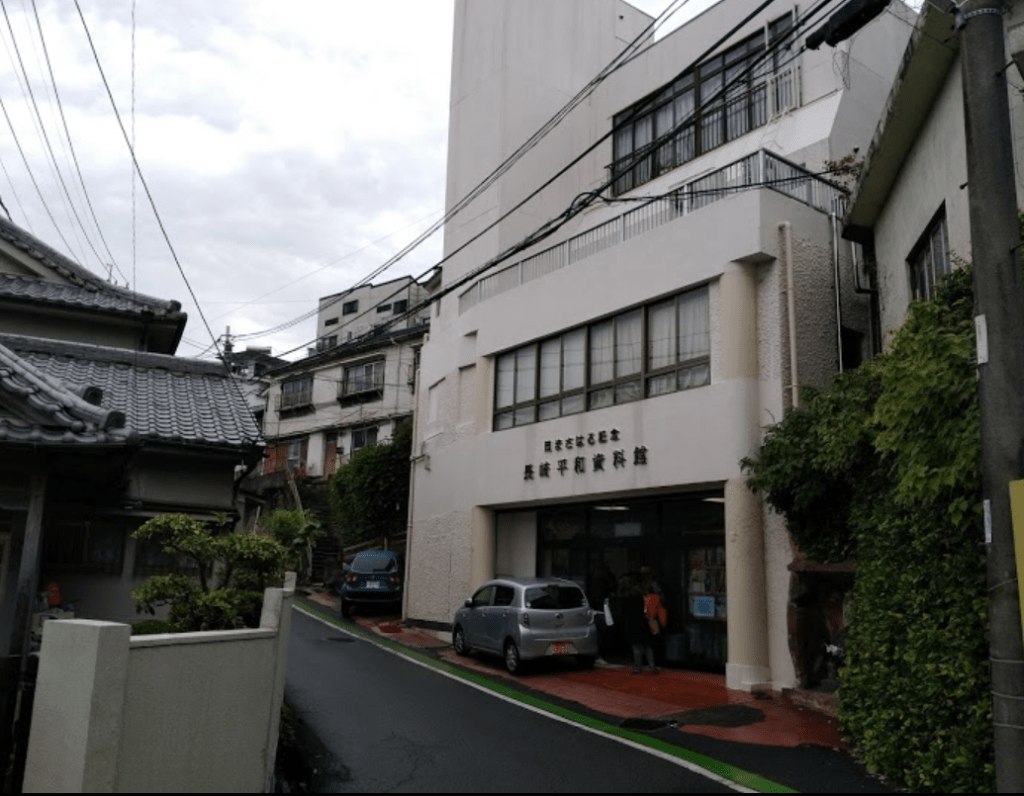
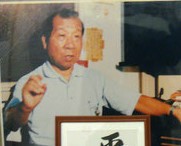
Oka Masaharu was a Lutheran minister who saw how the Korean bomb victims were suffering after the war and was the first to reach out to aid them and to call attention to their plight. He also became a peace activist and worked to preserve the history of forced labor and Japanese aggression in Asia as well as to record the suffering of the young Korean and other girls who were raped, then forced to be army prostitutes for the Japanese army. These girls were referred to as ianfu, literally translating as “comfort women.”
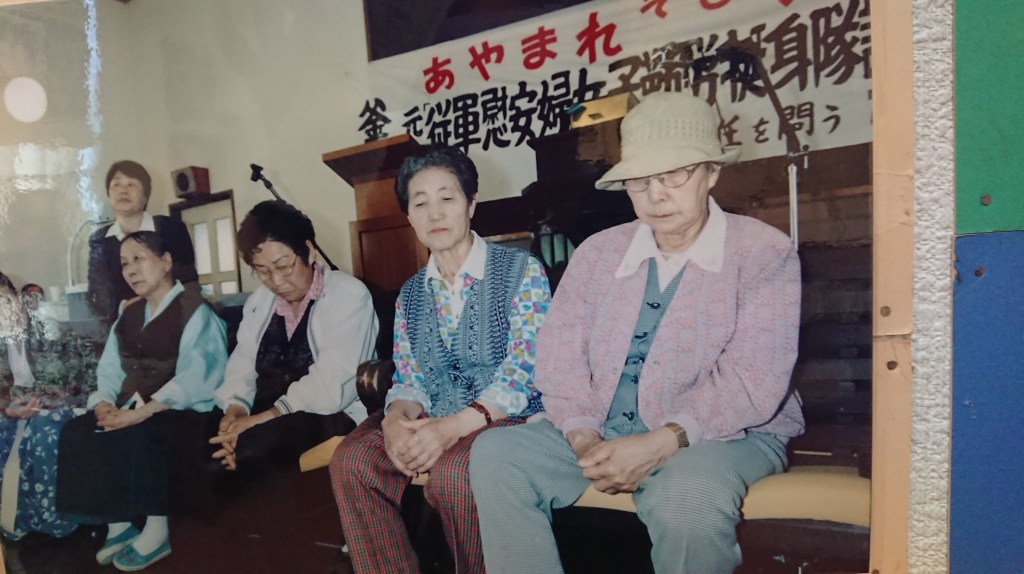
At this point in time, when we are tearing down statues all over the Western world, I think we should reflect on the importance of keeping evidence and documentation of “negative history”. Japan has erased the scant lines in textbooks that referred to “comfort women” or forced labor of Koreans and prisoners. They are essentially rewriting history and that is a dangerous thing to do. Although we don’t want to put up statues to revere tyrants, slave-masters and evil men, we need to preserve the record of their deeds with any physical proof or documented testimony.
I’m not sure who is doing this, but some people in Japan are working to obliterate the facts, denying the rape of Nanking, forced labor and forced prostitution carried out in their militaristic past. If you can give me clues on the groups doing this, I would be interested. I know that the Apa Hotel chain placed books in each room that deny the Nanking massacre ever happened. so don’t ever stay with this hotel chain.
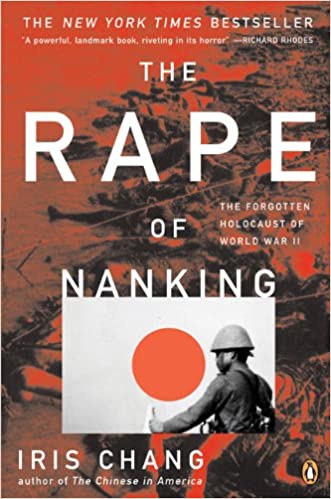
Here is a quote form BBC newsfeed:
A Japanese hotel chain has come under fire for its owner’s claims that a World War Two massacre in the Chinese city of Nanjing did not take place.
BBC.com
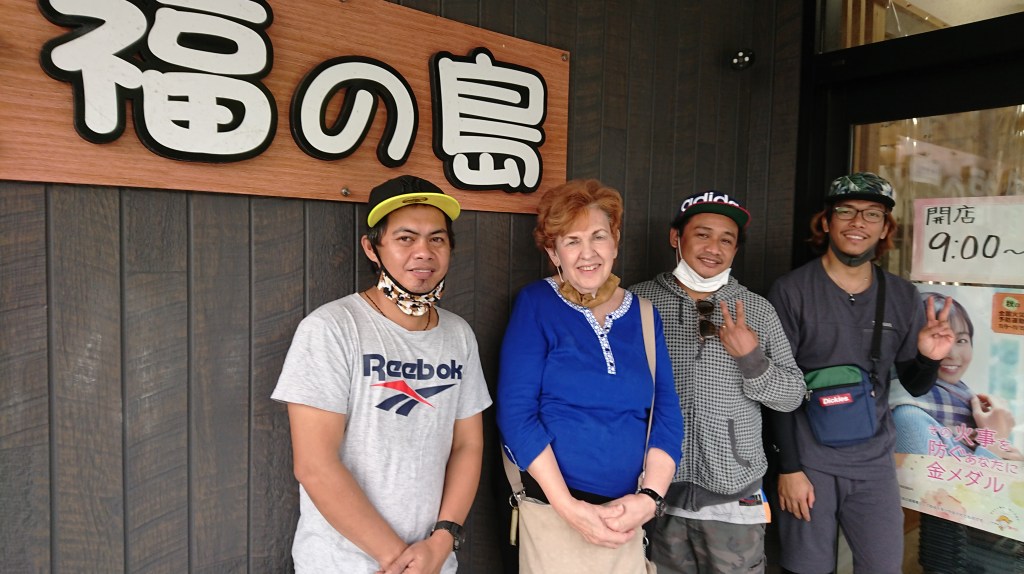
The final night we were on the island of Fukushima which was once home to the Hokusho mine. Unfortunately, we can’t see any of the remains as they are on private property and overgrown in the forest. The highlight of this stay was going to the Morning Fish Market (海の市)It is held on Saturdays form 9:00 but we were told it’s good to go early so we lined up at 8:30. There we met 3 guys from the Philippines who were working at the nearby shipyard on 3-year contracts.
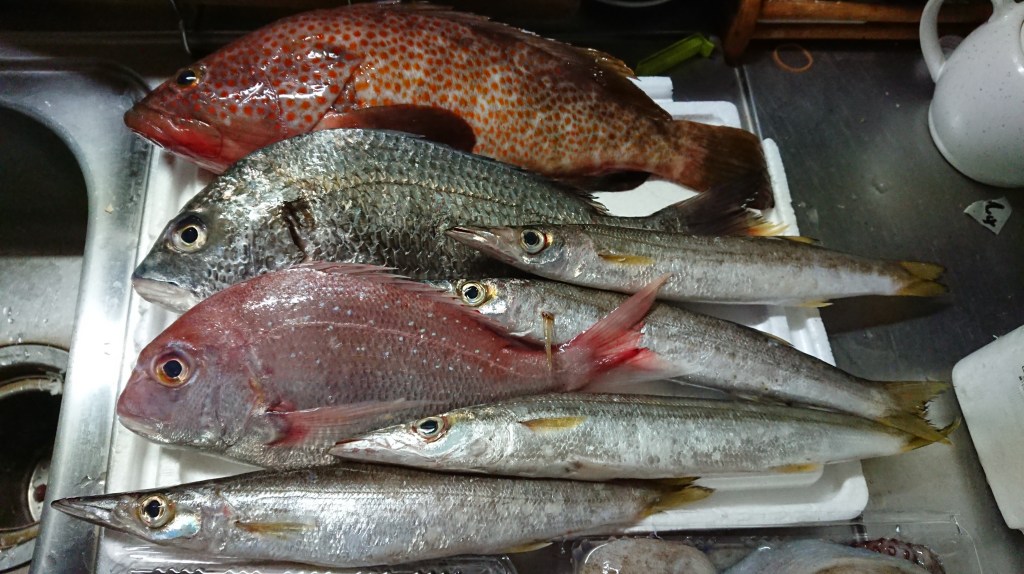
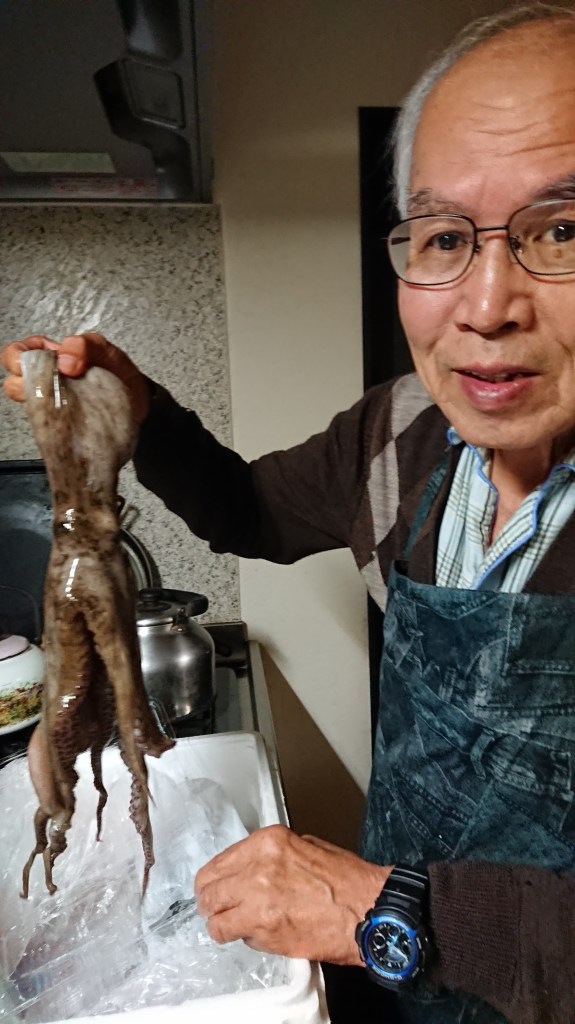
The fish was so fresh and SO CHEAP! Hiroo bought ¥2500 worth. We had prepared an icebox and they gave us free ice so we were able to bring it all home. It took him 2 and 1/2 hours to clean and freeze it all that night!
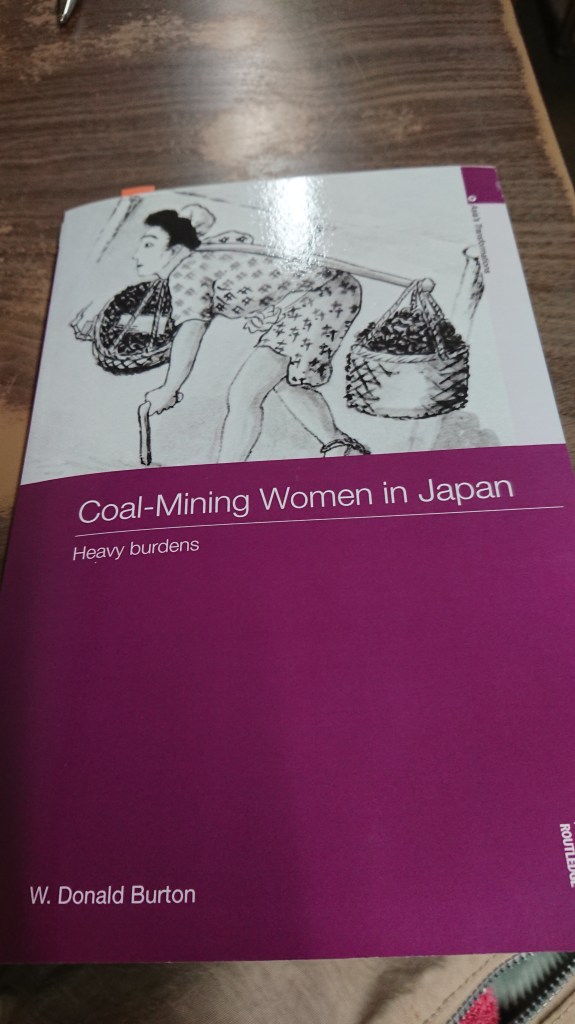
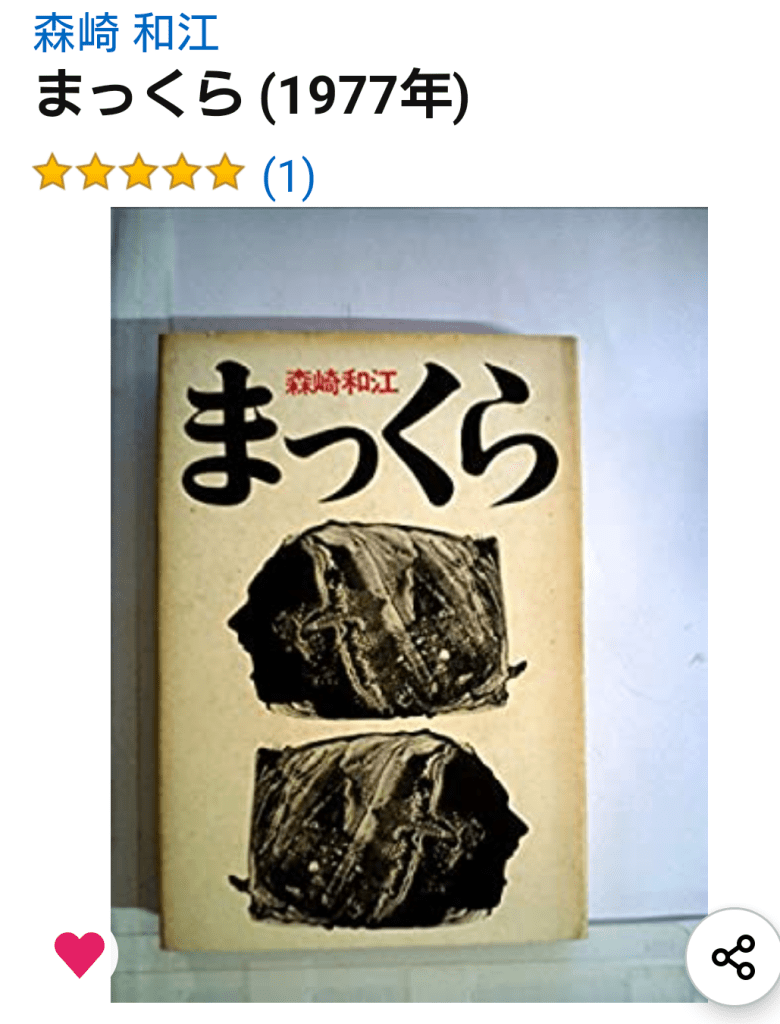
I have found several more books I need to read. Moriyama-san showed me a book in English about women who worked in the mines. Paperback was published in 2017, but is already rare enough to cost $55 on Amazon! Most of what Burdon wrote about he gleaned from the work of Morizaki Kazue, (森崎和江)a woman who spent years interviewing and interacting with the mining women. I want to read “Makkura”.
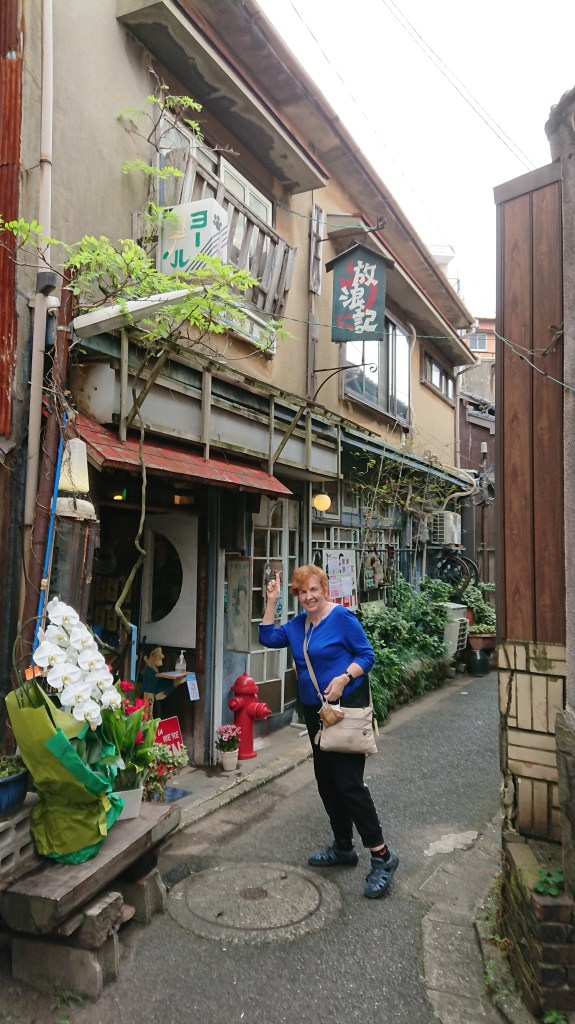
Last stop : lunch at Horoki in Moji!
You can even order 林芙美子ライス!
I will probably have more to say on the subject of the mines or forced labor but I’ll sign off for now. It was hard to get used to the new formatting on this blog, but I did my best. Hope to hear back from any of you soon!
 Baba's Kitchen
すごく勉強になった!面白かったです。These are all very important issues we need to know more about. I also enjoyed the food pictures in between. Looking forward to visiting Gunkanjima with you someday!
LikeLike
Just noticed your comment! Very happy to get feedback! We definitely have to go there. I read that tours on to the island resumed October17, so I just missed it. Looking forward to going with you!
LikeLike